
REVIEW · KYOTO STREET FOOD TOURS
Kyoto: Gion Local Food Tour (Taste 15 Dishes)
Kyoto’s Gion district is at its best after dark, when lanterns glow and the evening meal becomes a slow-moving tour of small restaurants and food counters. This three-hour outing gives you a practical shortcut through that scene, with 15 local dishes spread across yakitori, tonkatsu, sushi, and tempura.
I like the range of food and the help with ordering, especially if Japanese menus are outside your comfort zone. I also like the cultural stops between meals, including a walk toward Yasaka Shrine with explanations about Shinto and the writing on the shrine lanterns.
The main caution is value. At $94 per person, this is not a cheap dinner, and some of the 15 tastings may be several versions of familiar food rather than 15 completely different culinary discoveries. The experience depends heavily on your guide and the exact restaurants used that night.
Key points to know before booking
- Three food stops cover three Kyoto eating styles: Start with izakaya-style yakitori, continue with crispy tonkatsu, and finish with sushi and tempura in Gion Shirakawa.
- Fifteen dishes and two drinks are included: You can treat this as dinner, not just a snack walk.
- Guides make the evening easier: Guides such as Ryu, Misaki, Jay, Yu, and others have helped visitors with ordering, translation, food explanations, and local customs.
- The group can reach 15 people: Smaller groups may feel more like a night out with new acquaintances, while a full group may feel less personal.
- The meeting point is easy to miss: Meet at 6:30 pm at Doutor Coffee in the Kawaramachi New Tokyo Building, not at a restaurant in Gion.
- Some food is straightforward rather than fancy: Expect everyday Japanese favorites, including plenty of chicken skewers, instead of a high-end tasting menu.
What this Kyoto food tour is really selling
The appeal here is not a rare ingredient or a famous chef. It is confidence. You arrive in Kyoto, walk into places you might not choose on your own, and let a local guide handle the ordering and language work.
That matters in Gion. The district is full of restaurants, bars, food counters, and narrow lanes, but a visitor can easily spend an hour looking at menus and still wonder where to eat. This tour removes that guesswork.
You also get a useful first look at how an evening meal works in Japan. The food comes in several rounds, drinks are part of the social rhythm, and the setting changes as you move from one stop to the next. The guide adds context about food customs and Kyoto culture rather than simply pointing at each plate.
The tour runs for about three hours, starting at 6:30 pm. That makes it a natural choice for your first or second evening in Kyoto. You can eat a full dinner while getting your bearings in the Kawaramachi and Gion areas.
A few more street food tours around Kyoto worth a look
- Kyoto: Local Food Tasting Tour at the Nishiki Market
★ 4.7 · 135 reviews - Kyoto: Nishiki Market Tour with a Local Foodie & Tastings
★ 4.5 · 67 reviews - Taste of Nishiki Market Walking Food Tour with Local guide
★ 5.0 · 17 reviews
Starting with yakitori near Kawaramachidori
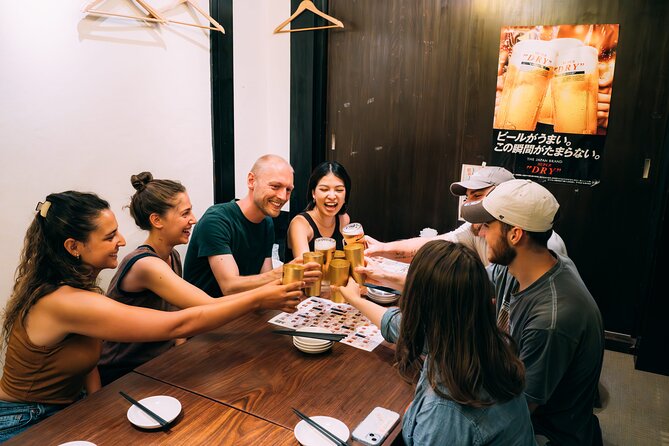
The first hour focuses on yakitori and izakaya-style dishes. Yakitori means grilled chicken skewers, though a typical spread can include different cuts and preparations. The appeal is direct and unfussy: hot food, smoky flavors, and small portions meant to go well with a drink.
This opening stop sets the tone for the night. You are not sitting down to one large entrée. Instead, you sample several small dishes and learn how a Japanese izakaya meal is shared.
This can be one of the most enjoyable parts of the experience if you like variety. It also seems to be the section most likely to shape your opinion of the tour. One guide may create a lively, social meal with several well-explained dishes. On another night, the first stop may feel heavy on chicken skewers, with less variety than the headline number suggests.
That distinction matters. Fifteen dishes does not necessarily mean 15 unrelated foods. Some may be small portions or different versions of a similar item. If you are hoping for a carefully designed progression of unusual Kyoto specialties, this may feel basic. If you want a relaxed introduction to common Japanese bar food, it should fit better.
The guide handles ordering and translation, which is useful here. You can ask what you are eating without trying to decode every menu item. Guides have also been praised for keeping the group together and making sure people from different countries are included in the conversation.
The walk toward Yasaka Shrine
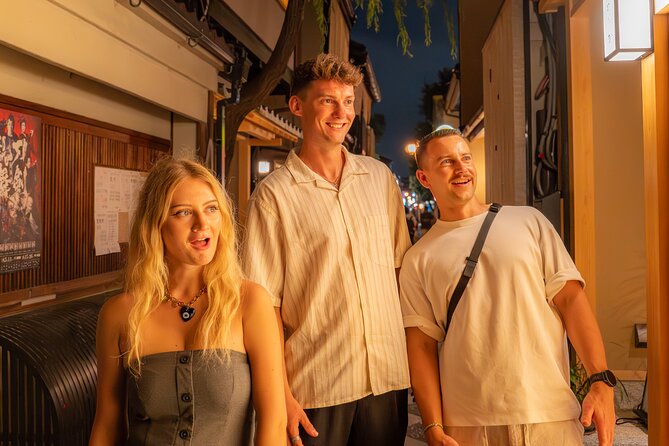
The spaces between food stops are part of the experience. In one account, the group walked toward Yasaka Shrine while waiting for the next dish. The guide explained Shinto and the meaning of the writing on the shrine lanterns.
That is a welcome break from eating. You get a glimpse of Gion as a cultural district, not just a restaurant zone, and the walk helps the meal feel connected to the place around it.
Do not expect a formal shrine visit or a long sightseeing lecture. The tour is built around food, with cultural explanation added along the way. Still, a short stop at Yasaka Shrine can give you useful context for what you see in Kyoto during the rest of your trip.
This also shows why the guide matters so much. Ryu was praised for combining food guidance with explanations about Shinto, while guides such as Misaki, Jay, Yu, Leo, Lemonie, and Liu have been described as friendly, flexible, and helpful with local recommendations. The exact guide is not guaranteed, so you should see those names as examples of the kind of host assigned to the tour, not a promise.
Tonkatsu in Gion
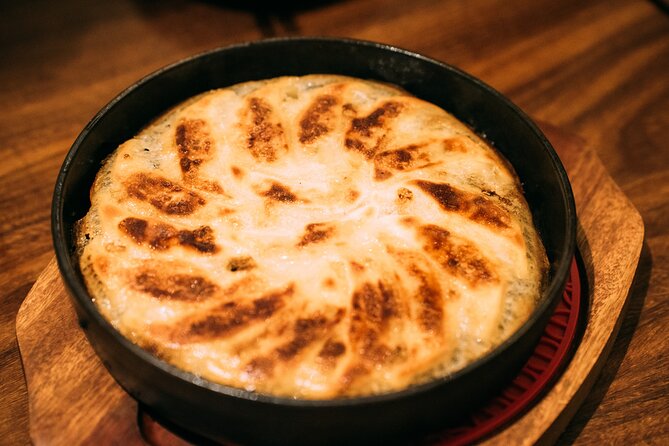
The second stop centers on tonkatsu, a breaded and deep-fried pork cutlet. It is crisp, savory, and filling, and it gives the meal a different texture from the grilled skewers.
The supplied details describe tonkatsu served on skewers, which makes sense for a walking food tour. It is easier to share and easier to eat than a large plated cutlet. It also works as a substantial middle course after the smaller izakaya dishes.
This is where the meal may begin to feel like a lot of food. Fifteen tastings plus two drinks is generous for three hours, and some diners may not finish everything. That is not necessarily a problem, but it is worth knowing if you prefer a light evening meal.
The second stop also gives the guide a chance to explain how everyday Japanese favorites fit into local eating habits. You are not only checking items off a food list. You are seeing how grilled, fried, and shared foods can make up a night out.
At the same time, tonkatsu is standard fare rather than a rare Kyoto specialty. That is part of the honest picture. This tour introduces popular Japanese foods in central Kyoto; it does not promise an advanced food seminar or an expensive restaurant experience.
Same city, a different plate:
- Nishiki Market Brunch Walking Tour (7 Tastings + Brunch)
★ 5.0 · 1,355 reviews - Kimono Tea Ceremony at Kyoto Maikoya, NISHIKI
★ 5.0 · 911 reviews - Kyoto Nishiki Market Food and Culture Walking Tour
★ 5.0 · 412 reviews - Kyoto: Nishiki Market Tea Ceremony with Koto Performance
★ 4.8 · 294 reviews
Sushi and tempura in Gion Shirakawa
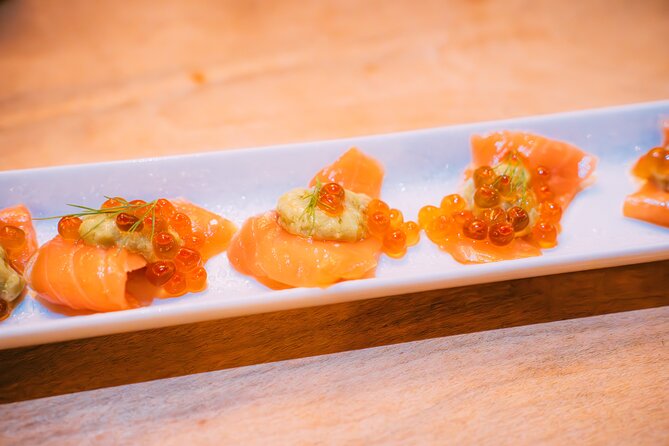
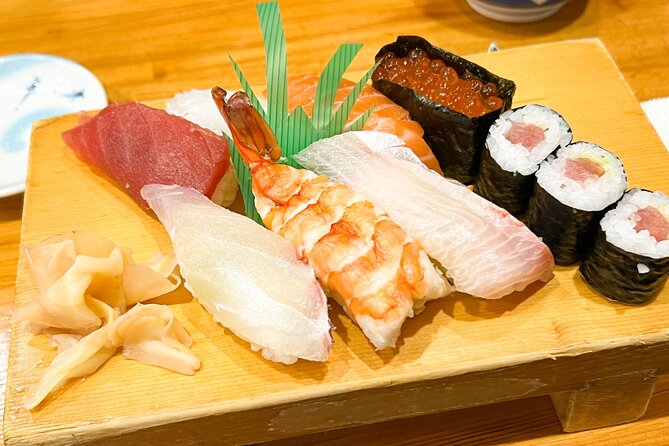
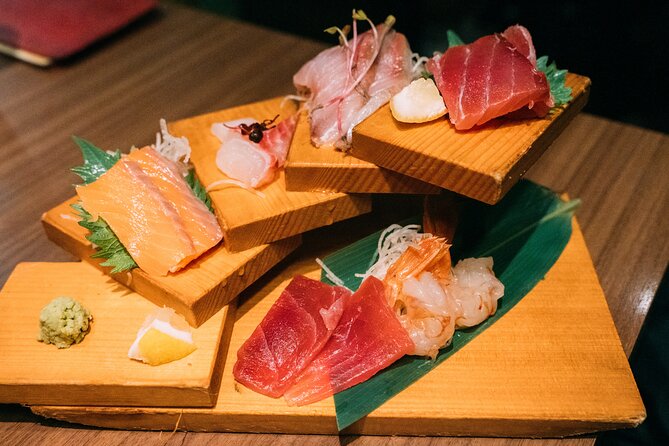
The final hour brings together sushi and tempura, two of Japan’s best-known foods. After the robust flavors of yakitori and tonkatsu, this stop offers a familiar but useful contrast.
The appeal is simple: you can compare raw or lightly prepared seafood with battered, fried ingredients in the same sitting. For someone new to Japanese food, this is a practical way to sample two major categories without committing to a full sushi dinner or a formal tempura meal.
The Gion Shirakawa setting adds atmosphere to the final stop. The tour ends back at the original meeting point, but the last food stop gives you a chance to finish the evening in one of Kyoto’s most recognizable areas.
Again, expectations matter. The available information does not specify the exact sushi, the type of seafood, or the tempura ingredients. You might find a broad mix, but you should not assume an omakase-style meal or premium seafood tasting.
For many people, this final stop will be the strongest part of the evening because it brings together two foods they specifically hope to try in Japan. For others, the meal may feel weighted toward familiar dishes instead of Kyoto-only specialties.
Guide quality can make or break the evening
The food is important, but the guide is the tour’s real variable. A good host turns a series of restaurant visits into a shared evening. The strongest guide comments describe warm conversation, clear English, cultural explanations, and help with recommendations for the rest of a Kyoto trip.
Misaki has been singled out for her fluent Japanese and English, early communication, and ability to make a small group feel comfortable. Jay helped with crowded streets and food choices. Yu explained the significance of a shrine before leading the group to sushi, tempura, and sake. Leo was praised for being personable and flexible.
Those details tell you what to value. You are paying not just for plates of food, but for someone who keeps the night moving, explains unfamiliar dishes, and reduces the stress of ordering.
There have also been problems. One poor experience involved a changed meeting time, confusion about the meeting point, only two restaurant stops, and a meal seen as too heavy on inexpensive chicken skewers. Another evening lost its first stop because of a confirmation problem.
These appear to be exceptions within a very high overall rating, but they are still useful warnings. Save the meeting address in your phone, arrive early, and read any same-day messages carefully. The activity uses a mobile ticket, and communication can matter if plans change.
Is $94 a fair price for dinner?
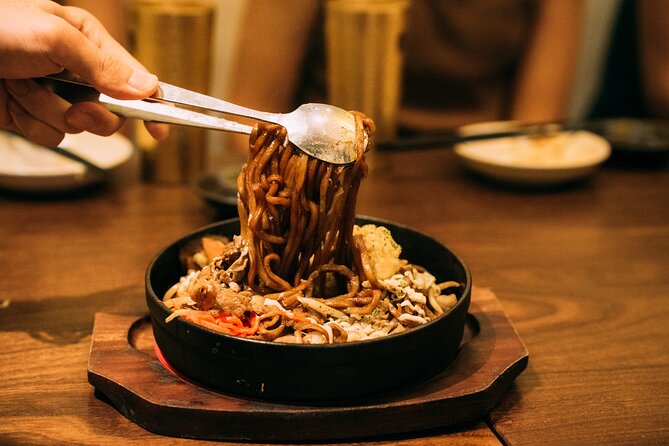
The price is $94 per person, including 15 local dishes, two drinks, and the guide. That is a significant amount for an evening meal in Japan, particularly if you are comfortable choosing restaurants on your own.
The price makes more sense if you put a value on the service. You are paying for three hours, several food stops, ordering help, translation, local orientation, and cultural explanation. You also avoid the risk of ordering poorly or wandering between restaurants without knowing what to choose.
It is less compelling if you measure value only by the food. Some of the dishes are everyday Japanese favorites, and several may be small portions of related foods. A person looking for luxury ingredients, a formal tasting menu, or highly unusual regional dishes may find the experience too ordinary for the cost.
I would see it as an orientation dinner. Book it early in your Kyoto stay, and you may gain confidence for later meals. You can ask your guide where to eat next, learn basic food customs, and get a feel for Gion after dark.
If you already know Japanese food well and enjoy making your own restaurant plans, the price is harder to justify. If you want an easy first-night introduction with dinner included, the value improves.
Group size, timing, and practical details
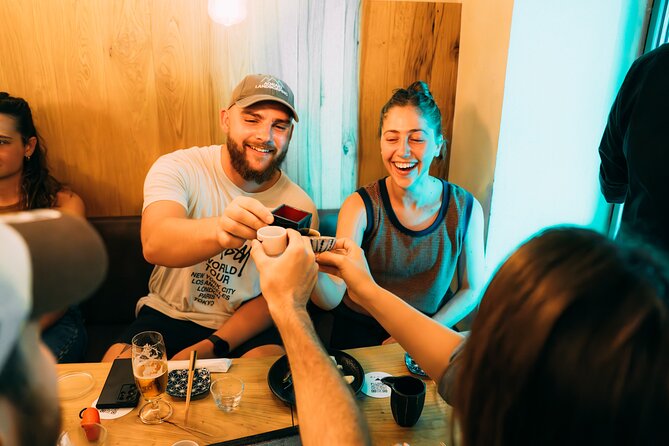
The tour starts at 6:30 pm and lasts about three hours. It begins at Doutor Coffee, 391 Komeyacho, inside the Kawaramachi New Tokyo Building in Kyoto’s Nakagyo Ward. The activity ends at the same meeting point.
Do not assume the first food stop is at the meeting address. The coffee shop is the starting point, so give yourself time to find it before the group moves on.
The maximum group size is 15 people. That is small enough for a guide to manage, though the feel will differ greatly between a group of five and a full group. Small groups can be more conversational. A larger group may make ordering and hearing explanations less personal.
Most people can participate, according to the supplied information. No special access details are provided, so contact the operator if you have specific mobility or dietary needs.
Free cancellation is available if you cancel at least 24 hours before the local start time. Changes or cancellations made inside that window are not accepted for a refund. The tour also requires a minimum number of participants, and if the operator cancels for that reason, you are offered another date, another experience, or a full refund.
Who should book this Gion food tour?
I would recommend it to you if:
- You are new to Kyoto and want a guided first evening.
- You feel uneasy ordering from Japanese menus.
- You want dinner and sightseeing in one outing.
- You enjoy tasting many small portions rather than choosing one dish.
- You want a social experience with a local host.
- You like everyday Japanese foods more than formal fine dining.
I would think twice if you want a high-end culinary experience, strict control over every dish, or a menu centered on rare Kyoto ingredients. The tour is broad and accessible, but parts of it may feel familiar or repetitive.
It is also not the best choice if you need a quiet, private dinner. The group size can reach 15, and the evening involves moving between stops.
Should you book it?
Book this tour if you want a low-stress introduction to Kyoto food and Gion nightlife, especially near the start of your stay. The guide, ordering help, cultural stories, 15 tastings, and two drinks create a full evening rather than a quick snack walk.
Just keep the promise in the right frame. This is a guided sampling tour of popular Japanese foods, not a luxury tasting menu. You may eat a lot of chicken skewers, tonkatsu, sushi, and tempura, with the exact balance depending on the night and the guide.
For many people, that is precisely the point. You get dinner, local context, and a way into Kyoto’s food scene without having to solve every menu yourself. At $94, it is worth booking when convenience and guidance matter as much as culinary novelty.
FAQ
How long does the Kyoto Gion food tour last?
The tour lasts approximately three hours.
What time does the tour begin?
The scheduled start time is 6:30 pm.
Where does the tour meet?
The meeting point is Doutor Coffee at 391 Komeyacho, inside the Kawaramachi New Tokyo Building in Kyoto’s Nakagyo Ward.
Where does the tour end?
The activity ends back at the original meeting point.
How many dishes are included?
The tour includes 15 local dishes.
Are drinks included?
Yes. Two drinks are included in the tour price.
What foods are served?
The food stops feature yakitori and other izakaya-style dishes, tonkatsu, sushi, and tempura. Exact dishes may vary.
How large can the group be?
The maximum group size is 15 people.
Can I cancel for a refund?
Yes. You can receive a full refund if you cancel at least 24 hours before the experience start time. Cancellations or changes made less than 24 hours before the start are not accepted for a refund.
Just added around Kyoto
- Taste of Nishiki Market Walking Food Tour with Local guide★ 5.0 · 17 reviews
- Nishiki Market Food Tour with Cooking Class★ 4.9 · 42 reviews
- Kyoto: Nishiki Market Tour with a Local Foodie & Tastings★ 4.5 · 67 reviews
- Golden Pavilion, Nijo Castle, & Nishiki Market Half day tour★ 5.0 · 29 reviews
- Kyoto:Seasonal Kaiseki Reservation at Hanasaki Nishiki★ 5.0 · 3 reviews
- Kyoto: Hands-on Takoyaki and Okonomiyaki Cooking (1 Hour)★ 4.7 · 25 reviews
- Kyoto: Nishiki Market Food Tour with Local Guide★ 4.6 · 5 reviews
- Kyoto: Nishiki Market Food Tour★ 4.9 · 21 reviews
Kyoto Street Food Tours, compared.
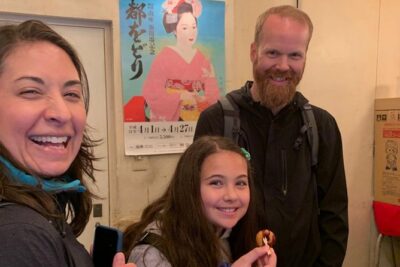
Nishiki Market Brunch Walking Tour (7 Tastings + Brunch)
Read our review →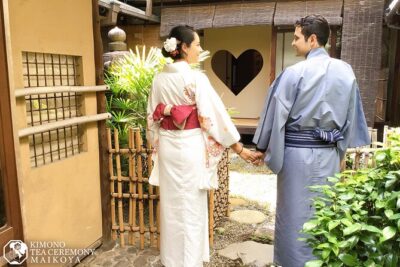
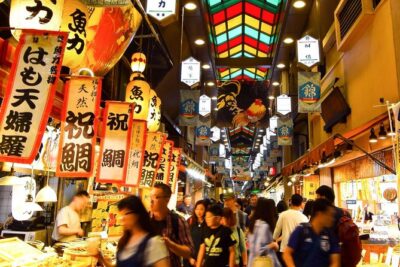
Kyoto Nishiki Market Food and Culture Walking Tour
Read our review →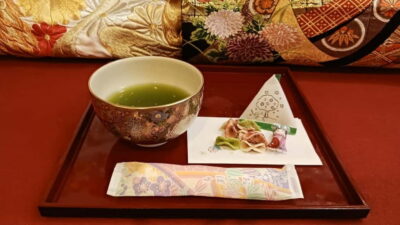
Kyoto: Nishiki Market Tea Ceremony with Koto Performance
Read our review →
Gyoza Cooking Class in Kyoto: Traditional Japanese Dumplings
Read our review →
Kyoto: Local Food Tasting Tour at the Nishiki Market
Read our review →
Kyoto: Nishiki Market and Depachika Food Tour with a Local
Read our review →
Kyoto: Nishiki Market Tour with a Local Foodie & Tastings
Read our review →Browse the lists this tour appears in