REVIEW · KYOTO STREET FOOD TOURS
Kyoto Nishiki Market Food and Culture Walking Tour
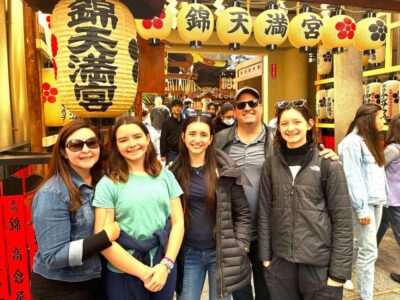
Kyoto’s Nishiki Market is easiest to enjoy when someone helps you sort the curious from the merely familiar. This tour leads you through the 400-year-old market, then adds a shrine, temples, and shopping arcades. I like the small group of six or fewer and the mix of food with everyday Kyoto culture. I also like that guides such as Miku, Takuma, Toshi, and Naoko are praised for clear explanations and personal recommendations.
The main caution is value. At $80.92, this is not the cheapest way to eat at Nishiki Market, and the number of included tastings can vary. You may finish full after foods such as yuba, soy doughnuts, pickles, gyoza, fruit, or minced-meat sandwiches, but some visitors receive fewer formal stops than expected.
Key points to know before booking
- Nishiki Market is the main event: Spend about 1 hour and 40 minutes among roughly 130 shops along a narrow, five-block food street.
- The group is capped at six: That gives your guide room to answer questions and adjust the pace.
- Food and culture share the schedule: You visit Nishiki Tenmangu, Takoyakushido Eifukuji Temple, Shinkyogoku, and Teramachi-dori.
- The food selection can change: Past tastings have included yuba, pickled cucumbers, omelette, gyoza, fruit, soy doughnuts, eel tempura, and Kobe-style minced-meat pies.
- It suits first-time market visitors: A guide helps you choose unfamiliar foods and keeps you from getting lost in the crowded lanes.
- Dietary limits are a serious issue: Vegetarian, halal, kosher, gluten-free, and allergy-related requests cannot be accommodated.
Why Nishiki Market works best with a guide
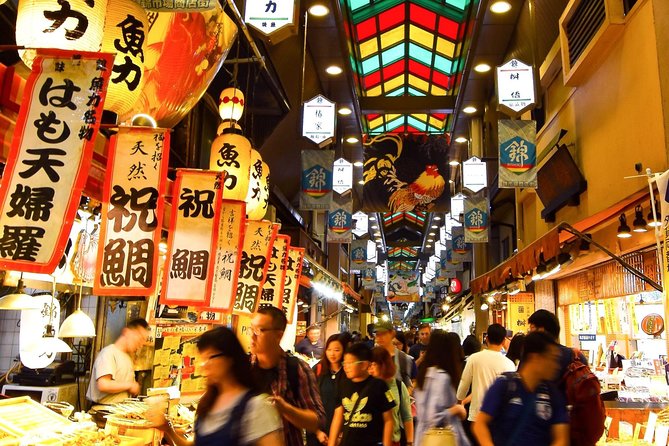
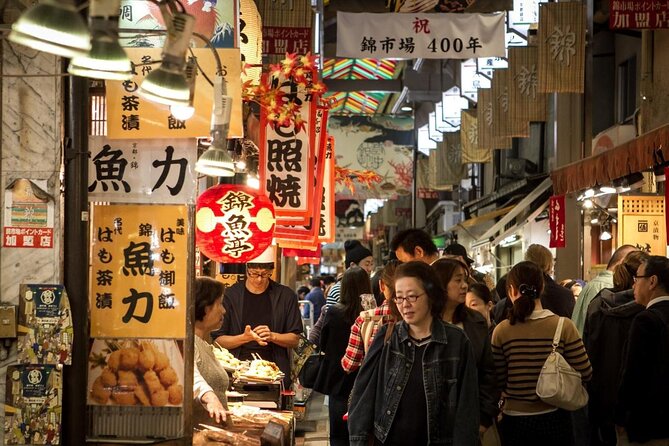
Nishiki Market is not a quiet museum. It is a narrow shopping street where food stalls, specialty shops, souvenirs, and local customers share limited space. The market stretches for about five blocks and contains around 130 shops, so you can easily spend an hour wandering without knowing what to try or where to pause.
That is where this tour earns its keep. Your guide explains what you are looking at, helps you approach unfamiliar foods, and gives you a plan through the crowd. Guides including Keiko, Takuma, Miku, Toshi, Annie, and Akiko have been praised for their English, patience, and ability to connect food with Kyoto customs.
I especially like the small-group format. With six people or fewer, the guide can stop when you have questions, adjust the pace, and point out items that fit your interests. One guide even helped a participant find matcha salt to take home. That kind of practical help is more useful than a long lecture.
The trade-off is that you pay for guidance, not simply for food. You can enter Nishiki Market without an admission fee and buy snacks on your own. If you are comfortable reading menus, asking questions, and making choices in a crowded market, the tour may feel expensive.
More Fish Market and Seafood Tours in Kyoto
- Nishiki Market Brunch Walking Tour (7 Tastings + Brunch)
★ 5.0 · 1,355 reviews - Kimono Tea Ceremony at Kyoto Maikoya, NISHIKI
★ 5.0 · 911 reviews - Kyoto: Nishiki Market Tea Ceremony with Koto Performance
★ 4.8 · 294 reviews
Stop one: Nishiki Market’s five narrow blocks
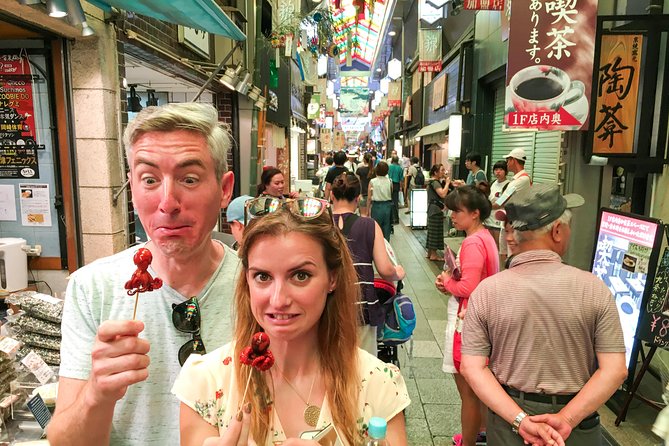
The tour spends about 1 hour and 40 minutes in Nishiki Market, making this the clear center of the experience. You will have time to watch vendors work, inspect local ingredients, and sample selected foods as your guide explains their place in Kyoto cooking.
The exact menu is not fixed. Depending on the day and the guide, you might try yuba, soy doughnuts, pickled cucumbers, omelette, gyoza, fruit, wheat starch sweets, yuzu lemonade, eel tempura, or a minced-meat sandwich. Some food may come from market stalls, while other tastings may take place at a sit-down restaurant.
That variation is worth understanding before you book. One person may receive enough bites to feel full, especially when free samples from vendors are included. Another may find the formal tastings limited, with only a few paid food stops. The company describes the samples as enough to replace a meal, but you should not expect a fixed tasting menu comparable to a large food festival.
I like the chance to try foods that are easy to overlook. Yuba, made from soy milk, is strongly linked with Kyoto cuisine. Pickled vegetables, unusual sweets, and regional seasonings also tell you more about local eating habits than a standard restaurant meal.
The market also offers shopping value. You might leave with Japanese seasonings, drink concentrates, matcha salt, or another small food souvenir. Your guide can help separate useful regional products from items that simply look appealing in a crowded shop.
Keep your hands and pace under control here. The street is narrow and can become very crowded, especially with a stroller. If you bring one, notify the operator in advance. Comfortable shoes matter, though the tour is not described as strenuous.
Stop two: Nishiki Tenmangu and the basics of shrine visits
After the market, the tour visits Nishiki Tenmangu for about 15 minutes. This is a short stop, but it adds an important layer to the food walk. You learn what you may see at a Shinto shrine and how to pray.
For a first visit to Japan, these details are useful. Your guide can explain the basic order of worship and the role such places play in daily life. You do not need to arrive with prior religious knowledge, and the stop gives you a respectful way to observe rather than simply photograph.
The limitation is time. Fifteen minutes is enough for an introduction, not a full study of the shrine or Shinto practice. Think of it as a cultural pause between market tastings and the surrounding shopping streets.
Stop three: Shinkyogoku’s everyday shopping arcade
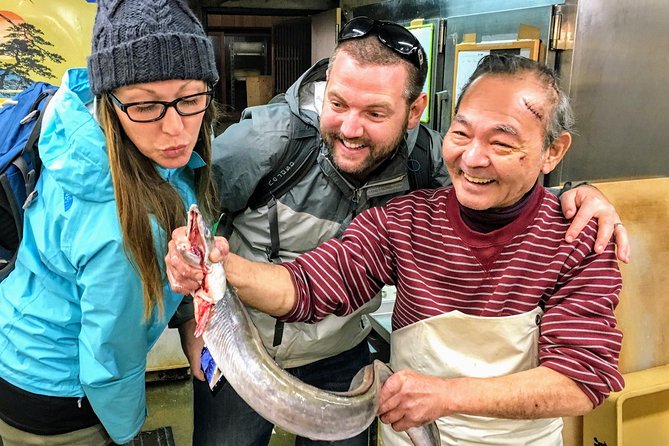
The next stop takes about 20 minutes in Shinkyogoku Shopping District. This pedestrian arcade shifts the mood from old market to modern Kyoto retail. Shops here mix traditional goods with current fashion, food, and commercial life.
I like this part because it shows that Kyoto is more than temples and carefully preserved lanes. You see a shopping district used by local people, with the kind of everyday activity that can disappear when a tour focuses only on famous sights.
Twenty minutes goes quickly. You will have time to look around and get a feel for the area, but not enough for a serious shopping expedition. If you spot a souvenir, ask your guide about it promptly, since the route continues through several nearby streets.
More Street Food Market Tours in Japan
- Kyoto: Local Food Tasting Tour at the Nishiki Market
★ 4.7 · 135 reviews - Kyoto: Nishiki Market and Depachika Food Tour with a Local
★ 4.7 · 76 reviews - Kyoto: Nishiki Market Tour with a Local Foodie & Tastings
★ 4.5 · 67 reviews - Nishiki Market Food Tour with Cooking Class
★ 4.9 · 42 reviews
Stop four: Takoyakushido Eifukuji Temple
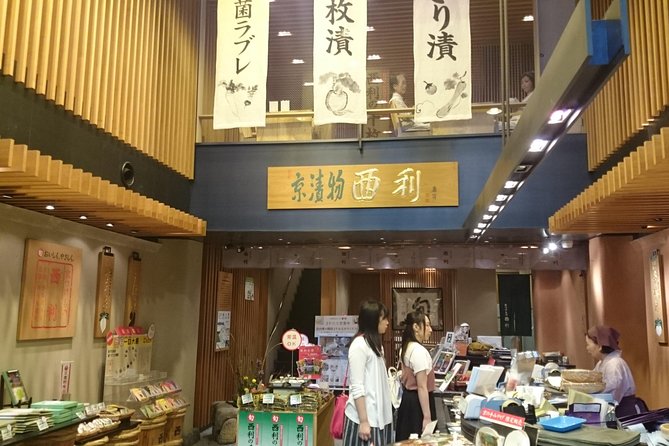
Takoyakushido Eifukuji Temple is a small Buddhist temple visited for about 10 minutes. Its appeal is its location in ordinary city life, at the corner of a shopping street rather than behind a grand approach.
This brief stop makes a useful point: in Kyoto, temples can appear beside shops, restaurants, and commuter routes. You get a glimpse of how religious places fit into the city instead of seeing only large temple compounds designed for sightseeing.
Do not expect an extensive temple tour. The value is context and contrast. A guide can explain the difference between the Shinto shrine visited earlier and this Buddhist temple, giving you a basic framework for recognizing both during the rest of your Japan trip.
Stop five: Teramachi-dori and time to browse
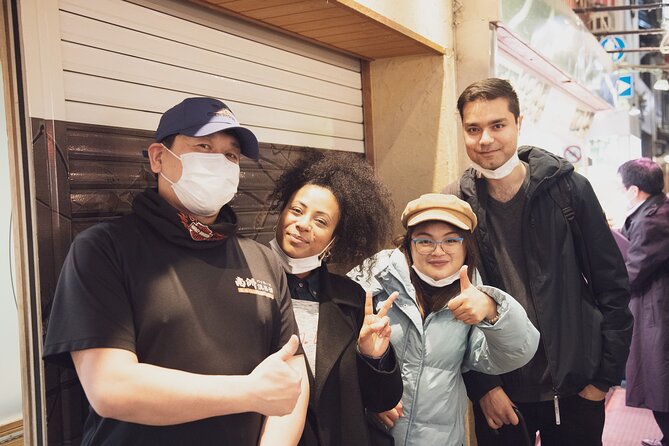
The final listed stop is Teramachi-dori Street, with about 15 minutes to walk among long-established shops and newer businesses. Like Shinkyogoku, it adds a sense of ordinary Kyoto life around the market.
This is also where a flexible guide can make the experience better. Several guides are praised for allowing time to shop, pointing out useful products, and changing the route around a group’s interests. If you want to buy seasonings or food gifts, tell your guide early rather than waiting until the final minutes.
The listed stop times add up to about 2 hours and 40 minutes, while the tour is sold as approximately three hours. That small difference is normal for a walking tour and may reflect transitions, extra explanations, or time spent at food shops.
How much food will you actually eat?
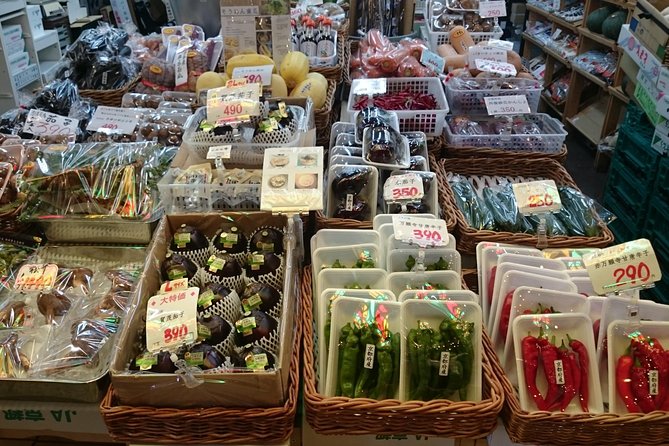
This is the most important value question. The tour includes food samples, and some combinations can amount to a full meal. A particularly generous route may include several small dishes, market samples, a restaurant stop, fruit, drinks, and savory bites.
But there is no guaranteed item-by-item menu in the information provided. Some past food selections included three market items plus three dishes at a restaurant. Other experiences included a much broader run of yuba, pickles, gyoza, sweets, fruit, lemonade, and eel.
I would book this for guided selection, explanations, and access to foods you may not choose alone. I would not book it solely because you expect the largest possible quantity for your money. If your goal is to maximize food per dollar, self-guided grazing through Nishiki Market may cost less.
Come hungry, but not desperately hungry. The tour moves through a crowded market and includes walking between stops. You will enjoy it more if you have enough room to taste several small portions without rushing.
Guide quality makes the biggest difference
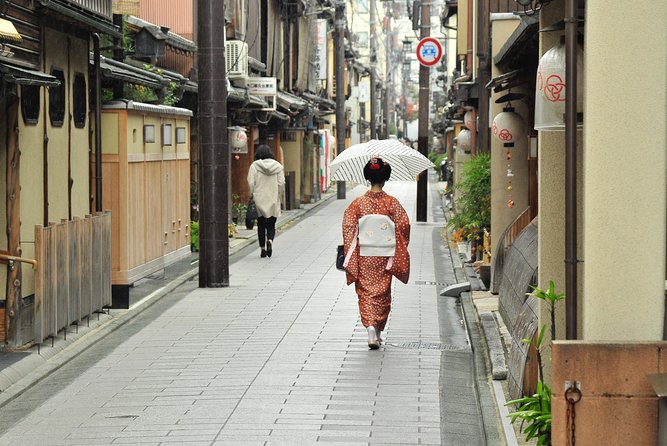
The strongest part of this experience is the guide. Names praised in the available feedback include Keiko, Takuma, Miku, Toshi, Naoko, Annie, Atsu, Saeko, Nagi, Taisei, Taka, Yasuko, Yoko, and Chizuko.
That is a long list, but the useful point is consistency in the kind of help you can expect. Guides explain food, Kyoto customs, shrine etiquette, and local phrases. Some adjust the route to suit a group’s interests. Others help with shopping or recommend which stalls are worth your time.
The small group matters here. If only one or two people book, the experience may feel nearly private. One tour ran at a slower pace and allowed the guide to adjust tastings around the participants’ preferences. With a full group of six, you still get a more personal setting than a large bus tour, but you may have less freedom to change the route.
English ability is described positively for several guides, though the exact guide is assigned rather than chosen. If you have a specific food interest, tell the operator in advance, but do not assume every request can be met.
Price, group size, and practical limits
The price is $80.92 per person, with group discounts available. For three hours in central Kyoto, that fee is reasonable only if you value the guide’s help and the included food. It is not a bargain market lunch.
The maximum group size of six is a real benefit. You are less likely to lose the guide in the crowd, and questions are easier to handle. Mobile tickets and nearby public transportation also make the activity simple to add to a Kyoto day.
There is no hotel pickup or drop-off. You are responsible for reaching the meeting point and for transportation to or from attractions. Check the starting location carefully, since clear meeting instructions matter in this part of town.
The tour operates in most weather conditions, but poor weather can lead to cancellation with a choice of a different date or a full refund. Otherwise, cancel at least 24 hours before the start time for a full refund. Later cancellations and changes are not accepted.
Dietary restrictions are the biggest practical barrier. The operator cannot accommodate vegetarian, halal, kosher, gluten-free, or allergy-related requests, and severe restrictions may make it impossible to arrange food. If that applies to you, skip this tour rather than hoping the guide can improvise.
Who will enjoy this Kyoto food walk?
I would recommend it to first-time visitors who want a gentle introduction to Japanese market food. It also suits solo visitors, families, and multigenerational groups because the guide provides structure and the pace includes both walking and sitting.
It is useful if you have limited time in Kyoto. In three hours, you get the market plus several nearby cultural and shopping areas, without having to research each stop yourself.
It may also suit you if crowded markets make you hesitate. Nishiki can be confusing, and a guide helps you make choices without stopping at every stall or worrying about the language.
I would hesitate to recommend it to experienced Japan visitors who prefer independent eating. You can explore the market freely, buy more of what you like, and spend less. I would also avoid it if you need a strict diet or expect a fixed, generous tasting menu.
Should you book the Nishiki Market tour?
Book this tour if you want a small, guided introduction to Kyoto food and local customs, and if you value practical help more than the lowest possible meal price. The best version includes a warm guide, a good range of samples, time to shop, and explanations that turn unfamiliar foods into approachable choices.
Before booking, accept two limits: the tastings can vary, and dietary restrictions cannot be accommodated. At $80.92, the tour makes the most sense for first-time Nishiki Market visitors, solo visitors who want company, and anyone who would rather have a local guide make sense of the choices.
If you already know Japanese markets well and mainly want to eat as much as possible, go on your own. If you want food, shrines, shopping streets, and a guide who can help you find the good stuff without guesswork, this is a practical Kyoto introduction.
FAQ
How long does the Kyoto Nishiki Market Food and Culture Walking Tour last?
The tour lasts approximately three hours. The listed visits include about 1 hour and 40 minutes at Nishiki Market, followed by Nishiki Tenmangu, Shinkyogoku Shopping District, Takoyakushido Eifukuji Temple, and Teramachi-dori Street.
How many people can join the tour?
The activity has a maximum of six participants. Group discounts are available.
Is food included in the tour price?
Yes. Food samples are included, and the tour is designed to provide enough food to replace a meal. The exact number and type of tastings can vary.
Can the tour accommodate vegetarian, halal, kosher, gluten-free, or allergy-related diets?
No. The operator states that these dietary restrictions cannot be accommodated. If you have severe dietary restrictions, it may not be possible to arrange food.
Does the tour include hotel pickup or transportation?
No. Hotel pickup, drop-off, and transportation to and from attractions are not included. The tour is near public transportation, and you must reach the meeting point yourself.
What is the cancellation policy?
You can cancel at least 24 hours before the start time for a full refund. Cancellations or changes made less than 24 hours before the start time are not accepted. If poor weather causes the tour to be canceled, you will be offered another date or a full refund.
More Street Food Walking Tours in Japan
- Tokyo Tsukiji Fish Market Food and Culture Walking Tour
★ 5.0 · 3,184 reviews - Tokyo: Tsukiji Fish Market Food and Walking tour
★ 5.0 · 1,724 reviews - Tokyo: Tsukiji Fish Market Guided Walking Tour
★ 4.9 · 1,397 reviews - Osaka Local Foodie Walking Tour in Dotonbori and Shinsekai
★ 5.0 · 985 reviews
More Street Food Market Tours in Kyoto
- Golden Pavilion, Nijo Castle, & Nishiki Market Half day tour
★ 5.0 · 29 reviews - Kyoto: Nishiki Market Food Tour
★ 4.9 · 21 reviews - Taste of Nishiki Market Walking Food Tour with Local guide
★ 5.0 · 17 reviews - Kyoto: Nishiki Market Food Tour with Local Guide
★ 4.6 · 5 reviews
Just added around Kyoto
- Taste of Nishiki Market Walking Food Tour with Local guide★ 5.0 · 17 reviews
- Nishiki Market Food Tour with Cooking Class★ 4.9 · 42 reviews
- Kyoto: Nishiki Market Tour with a Local Foodie & Tastings★ 4.5 · 67 reviews
- Golden Pavilion, Nijo Castle, & Nishiki Market Half day tour★ 5.0 · 29 reviews
- Kyoto:Seasonal Kaiseki Reservation at Hanasaki Nishiki★ 5.0 · 3 reviews
- Kyoto: Hands-on Takoyaki and Okonomiyaki Cooking (1 Hour)★ 4.7 · 25 reviews
- Kyoto: Nishiki Market Food Tour with Local Guide★ 4.6 · 5 reviews
- Kyoto: Nishiki Market Food Tour★ 4.9 · 21 reviews
Kyoto Street Food Tours, compared.
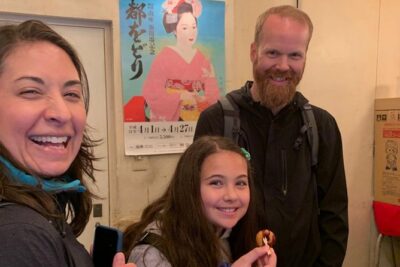
Nishiki Market Brunch Walking Tour (7 Tastings + Brunch)
Read our review →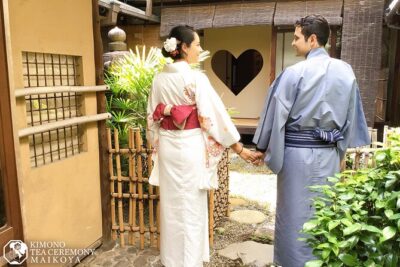
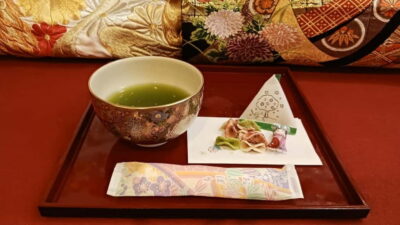
Kyoto: Nishiki Market Tea Ceremony with Koto Performance
Read our review →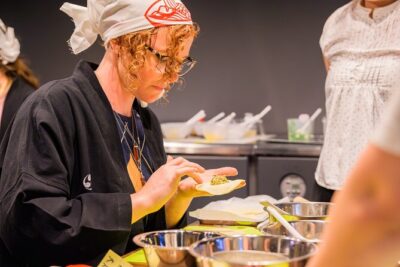
Gyoza Cooking Class in Kyoto: Traditional Japanese Dumplings
Read our review →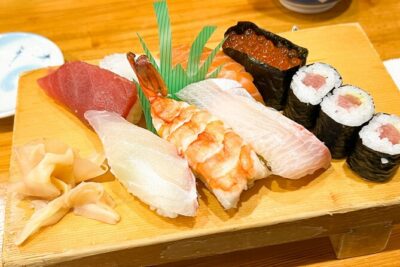
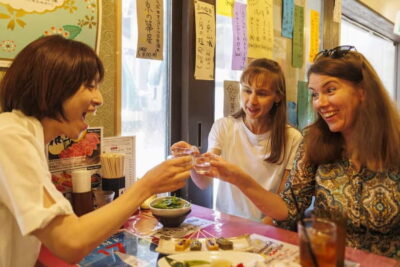
Kyoto: Local Food Tasting Tour at the Nishiki Market
Read our review →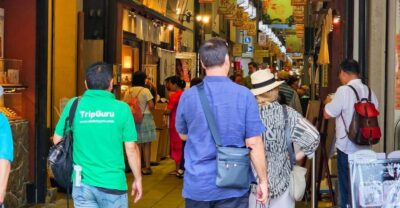
Kyoto: Nishiki Market and Depachika Food Tour with a Local
Read our review →