REVIEW · KYOTO STREET FOOD TOURS
Kyoto: Nishiki Market and Depachika Food Tour with a Local
Kyoto’s best food tour may begin underground. At Daimaru Kyoto, you’ll enter a Depachika, the polished basement food hall beneath a department store, then move on to the narrow aisles of Nishiki Market. I like the contrast: one stop shows refined presentation and gift-ready food, while the other feels more local and hands-on. I also like the small group size, which gives you room to ask questions and keep up in crowded lanes. The main drawback is the short two-hour schedule, especially if you want time to shop as well as taste.
I love that the tasting list includes Kyoto specialties rather than only familiar snack foods: yuba sashimi, soy milk donut, Nishiki gyoza, and tempura hamo fish. Guides such as Mao, Jasmine, Boris, Ai, and Kats have been praised for explaining ingredients, customs, and shrine details, but the exact guide changes. Bring comfortable shoes and cash, and arrive at Apple Kyoto at least 10 minutes early, since a late guide may leave after 10 minutes.
Key points at a glance
- Four named tastings: Try yuba sashimi, a soy milk donut, Nishiki gyoza, and hamo fish tempura.
- Two very different food stops: Compare Daimaru Kyoto’s underground food hall with the traditional stalls of Nishiki Market.
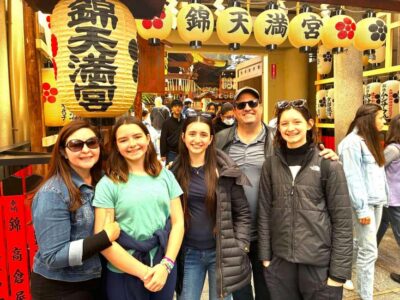
- A quiet shrine pause: Visit Nishiki-Tenmangu Shrine, dedicated to the deity of learning.
- Small groups: The tour is limited to nine people, making conversation with the guide easier.
- Useful Kyoto orientation: Guides have offered tips on food, sake, shopping, customs, and places to visit after the tour.
- Good for a tight schedule: Several start times and same-day booking make this practical when your Kyoto plans are already full.
Starting at Apple Kyoto and heading underground
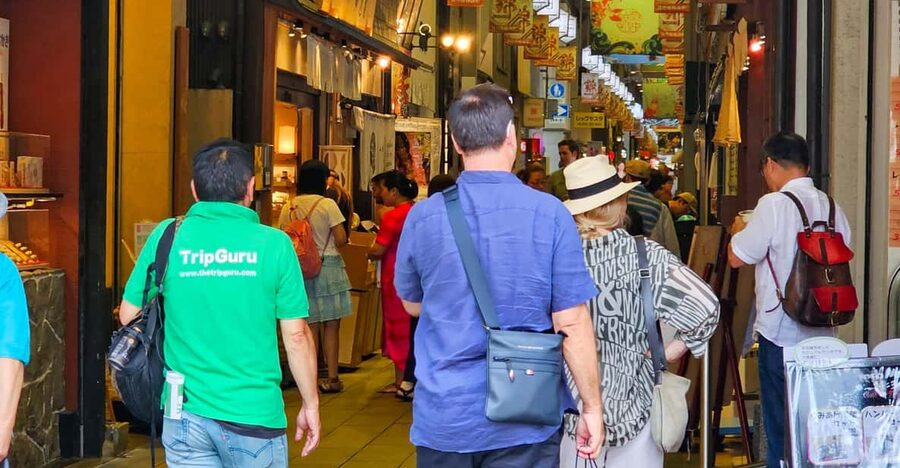
The meeting point is Apple Kyoto, a clear central landmark. Your TripGuru guide will wear a TripGuru shirt or hold a TripGuru sign. This is a walking tour, so the first practical task is simple: give yourself more time than your map app suggests, especially in the morning, when traffic can slow buses and taxis.
The tour is conducted in English, and the group is capped at nine people. That is a useful size for Nishiki Market, where a large group could easily block the walkway or lose sight of the guide. You should still expect a public market, not a private tasting room. The market is busy, and you’ll be sharing the space with shoppers and other visitors.
The advertised duration is two hours. One timing detail deserves attention: the stop breakdown gives 1.5 hours at Daimaru, one hour at Nishiki Market, and 30 minutes at the shrine, which adds up to more than two hours. Since the overall duration and stop times do not match, confirm the actual schedule when booking. If you have a train or dinner reservation soon after, leave a cushion.
More Fish Market and Seafood Tours in Kyoto
- Nishiki Market Brunch Walking Tour (7 Tastings + Brunch)
★ 5.0 · 1,355 reviews - Kimono Tea Ceremony at Kyoto Maikoya, NISHIKI
★ 5.0 · 911 reviews - Kyoto Nishiki Market Food and Culture Walking Tour
★ 5.0 · 412 reviews
Daimaru Kyoto: Kyoto food behind department-store doors
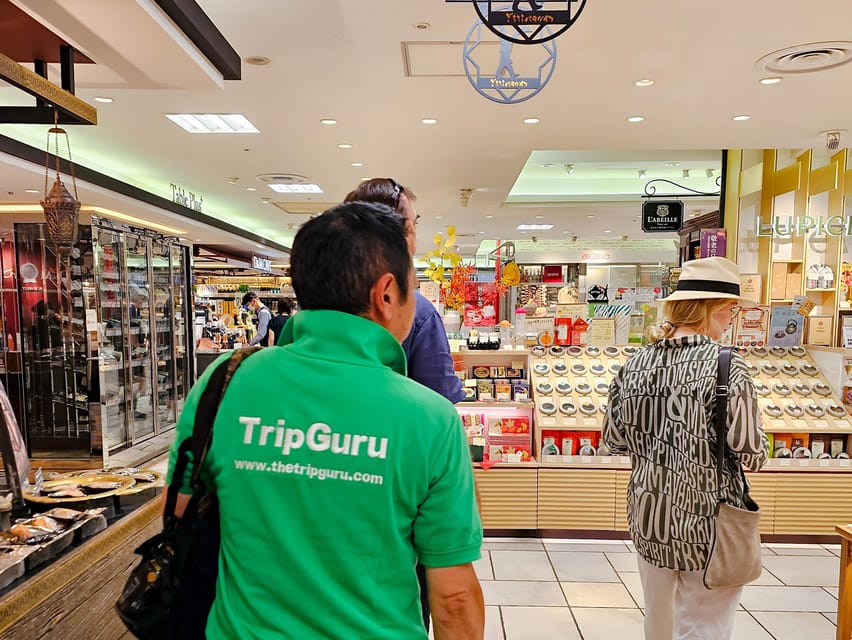
Daimaru Kyoto’s Depachika is the first major stop. The word refers to an underground department-store food hall, and this is one of the most useful parts of the outing for first-time visitors. You’ll see prepared dishes, sweets, ingredients, and gift foods arranged with the care Japan is known for.
A food hall can be intimidating when you cannot read every label or are unsure how a dish is normally eaten. Your guide gives you a way in. Past guides including Ai, Richard, and Boris have helped explain what to try, what to skip, and how particular foods fit into Japanese food culture. Ai was especially useful for practical shopping advice, including guidance on bento boxes and costly fruit.
This stop is less rustic than Nishiki Market. It is cleaner, calmer, and more polished, with food displayed for presentation as much as immediate eating. That contrast is valuable. You can compare department-store standards with the smaller specialist shops you’ll see later.
The included food items are not all served at Daimaru, so do not assume the entire hall is part of a free buffet. The tour includes a food tasting, with yuba sashimi, a soy milk donut, Nishiki gyoza, and hamo tempura fish listed among the samples. Additional food and drinks cost extra, as do personal purchases.
If you enjoy browsing, Daimaru can easily eat up the clock. One person described losing track of time there, which is easy to understand. Give yourself permission to look, but remember that Nishiki Market and the shrine still follow. If you want to buy a bento, sweets, sake, or a food gift, ask your guide how much time is available.
Nishiki Market, Kyoto’s Kitchen
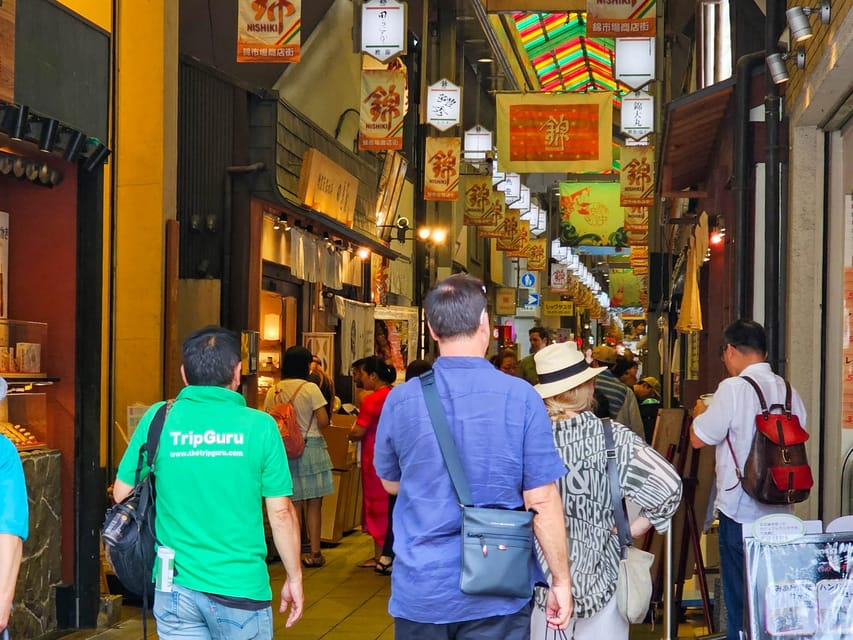
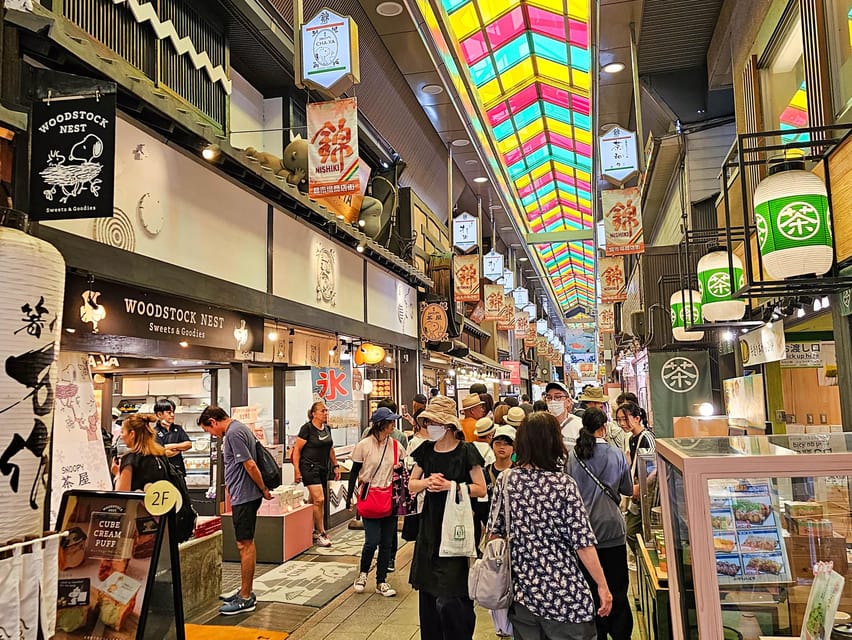
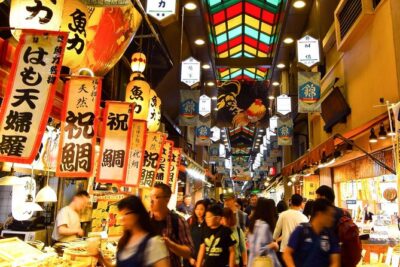
Nishiki Market is the heart of the tour. This covered market is known as Kyoto’s Kitchen, and the name makes sense once you see the range of goods packed into its narrow passage. You’ll find seasonal foods, Kyoto specialties, produce, cookware, knives, sweets, and small prepared bites.
The market has a long connection with family-run businesses. Some shops have been operated by the same families for generations, giving the area more depth than a row of temporary snack stands. Your guide can explain the ingredients and traditions behind what you see, which matters here because many foods are unfamiliar at first glance.
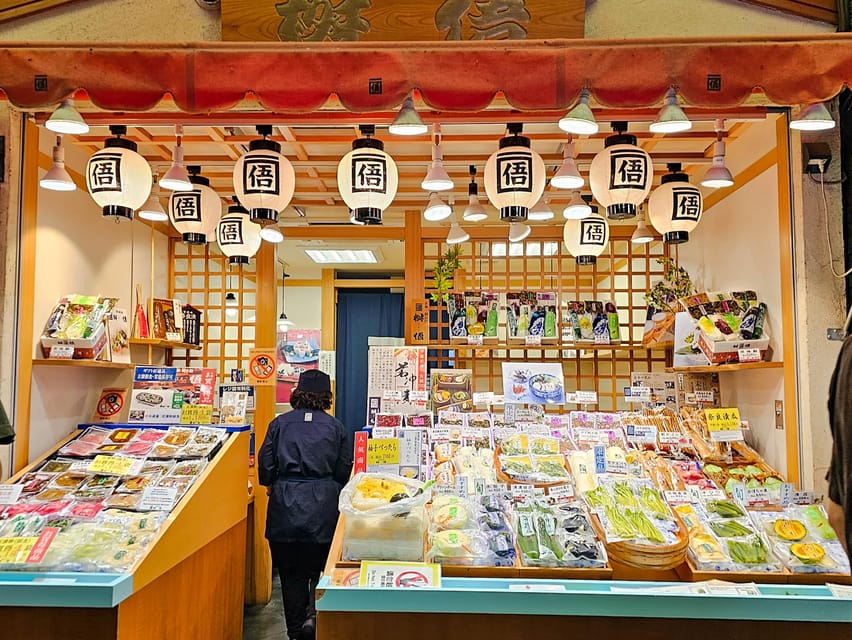
The tasting list gives the visit a clear structure. Yuba sashimi is a Kyoto specialty made from tofu skin, with a delicate texture that can surprise you if you expect ordinary sashimi. The soy milk donut provides a sweeter, softer contrast. Nishiki gyoza adds a familiar format with a local setting, while tempura hamo introduces you to a fish associated with Kyoto cuisine.
These samples are a starting point, not a full meal. If you are hungry, budget for additional purchases. The tour does not cover extra food or drinks, and Nishiki Market offers enough temptation to make a little cash useful. Some guides have bought or arranged extra samples for the group, but this should not be treated as guaranteed.
The best part of having a local guide here is knowing which stalls deserve your attention. Richard took people to shops they might not have entered alone, while other guides have offered advice on what to taste and where to return later. You are not simply walking past displays. You are learning how to read the market.
There is also a useful social advantage to the group size. With nine people or fewer, you can ask why a food is seasonal, how it is normally eaten, or what makes a Kyoto version different. Parents may appreciate that guides have adjusted suggestions for children with cautious tastes while still offering more adventurous samples to adults.
One point to clarify at the beginning is the tasting plan. A past tour participant was unsure when food would be served and expected the guide to announce each sample. That confusion is avoidable. Ask your guide what is included and when you’ll taste it. It will make the visit feel more organized and help you decide how much extra food to buy.
Nishiki-Tenmangu Shrine for a quieter half hour
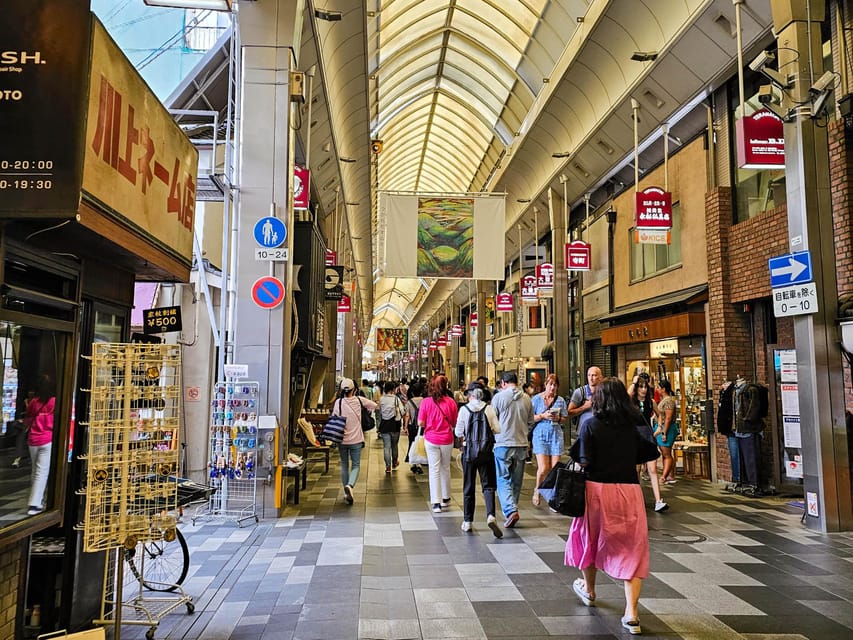
After the market, the tour visits Nishiki-Tenmangu Shrine. The change of pace is welcome. After food stalls, shoppers, and tight lanes, the shrine offers a short pause for reflection and a chance to notice the religious side of the neighborhood.
The shrine is dedicated to the deity of learning. Your guide explains the meaning of the site and the basic customs, including cleansing your hands at the sacred water fountain. You’ll also have time to look at the architecture and understand what you are seeing rather than treating the shrine as a quick photo stop.
This is not a long temple-and-shrine tour. The visit is listed as 30 minutes, so expect an introduction rather than an extensive lesson in Shinto. Still, it adds welcome balance. A food tour that ends with a shrine visit gives you more context for Kyoto than a simple sequence of tastings.
Kats, who was born and raised in Kyoto, has been praised for explaining the shrine and nearby streets, as well as offering suggestions for the rest of the day. Other guides have also shared tips beyond Nishiki Market. The quality of that local conversation may depend on who leads your group, but the tour is designed to leave room for questions.
The official finish is Kyoto-Kawaramachi Station. That makes the route convenient for continuing into central Kyoto, though you should still check the exact finishing point with your guide if you have a timed plan.
More Street Food Market Tours in Japan
- Kyoto: Nishiki Market Tea Ceremony with Koto Performance
★ 4.8 · 294 reviews - Kyoto: Local Food Tasting Tour at the Nishiki Market
★ 4.7 · 135 reviews - Kyoto: Nishiki Market Tour with a Local Foodie & Tastings
★ 4.5 · 67 reviews - Nishiki Market Food Tour with Cooking Class
★ 4.9 · 42 reviews
Four tastings, but not a full lunch
At $42 per person, this tour is priced as a guided introduction rather than a bargain meal. The value comes from having an English-speaking guide explain foods you might otherwise pass without trying, then place the market in a wider cultural setting.
The included samples are the strongest reason to book:
- Yuba sashimi: A tofu-skin specialty with a gentle flavor and soft texture.
- Soy milk donut: A sweet bite that gives the tasting some variety.
- Nishiki gyoza: A familiar Japanese favorite in a market setting.
- Hamo tempura: Tempura made with hamo, a fish associated with Kyoto food.
You may receive other tastes depending on the guide and current availability, but these four are the stated core items. Do not book this expecting several hours of unlimited eating. It is better viewed as a guided sampler, followed by the chance to buy more on your own.
The tour becomes better value if you are new to Japanese food, unsure how to order, or interested in regional ingredients. It is also useful early in a Kyoto stay. You can return to Nishiki Market later with a clearer idea of what you want, and you may leave with suggestions for sake, sweets, bento, or other shops.
If you already know Nishiki Market well, the added value is smaller. You may prefer to browse independently and spend your money directly on the foods that catch your eye. The guide’s explanations and shrine visit are the main extras.
What the guides add
The strongest feature across the tour is the guide’s personal approach. Names connected with past departures include Mao, Jasmine, Boris, Ai, Kats, Richard, Vincent, Yoku, Miya, Simon, Brook, and Katz. The guide assigned to your departure may be someone else.
Mao has been praised for warmth, enthusiasm, and explanations of both food and shrine customs. Jasmine has helped organize tastings while allowing time for shopping. Boris has answered detailed questions about ingredients, culture, and history. Richard has offered recommendations for food and drinks beyond the tour. These examples show the range you can hope for, but they are not a promise that a particular person will lead your group.
English ability has been described as strong across several departures. The small group helps here, since you can speak directly with the guide instead of trying to hear a long explanation from the back of a crowd.
I would ask three questions early on:
- Which tastings are included today?
- How much time will we have for shopping?
- Are there foods or ingredients I should avoid?
That quick conversation should prevent the one notable problem associated with the outing, uncertainty over when the food samples appear.
Practical details that affect your day
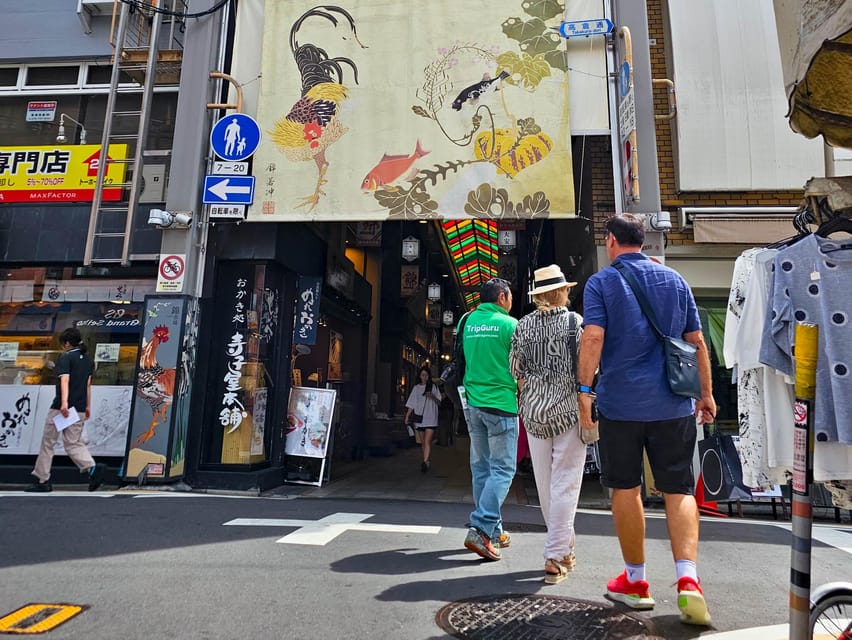
Wear comfortable shoes. You will walk through market lanes and city streets, and standing in food halls can be tiring. Bring a camera if you want to record displays, but follow any shop rules before photographing food or people.
Carry cash. The tour price covers the stated tasting items, but extra food, drinks, and personal purchases are not included. Cash is also useful if a small market vendor does not accept your preferred payment method.
The tour is not designed for people with mobility impairments, heart problems, respiratory issues, or pregnancy. The provided guidance also says it is not suitable for these groups, so consider your comfort with walking and standing before booking.
You can cancel up to 24 hours before the tour for a full refund, and the reserve-now, pay-later option lets you hold a place without paying at once. Same-day booking is possible according to availability, and multiple start times make this easier to fit around temples, shopping, or an evening meal.
Who should book this Kyoto food walk?
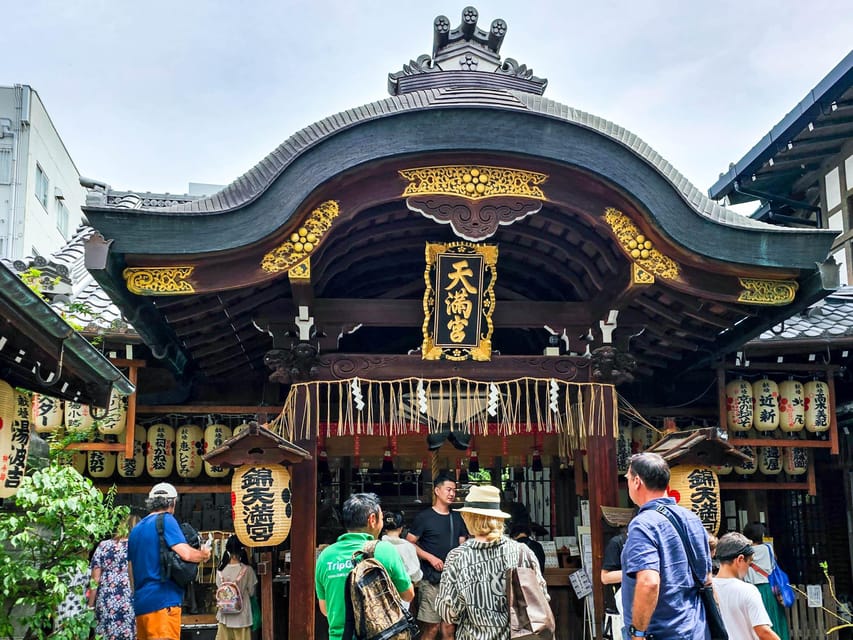
I would choose this tour if you have only a short free window and want a guided first look at Kyoto food. It suits curious eaters, first-time visitors, families with adaptable children, and anyone who feels unsure about entering Japanese food shops alone.
It also works well as an early Kyoto activity. The guide can help you understand local dishes, point out foods worth revisiting, and suggest places to continue after the tour.
I would think twice if you need a substantial lunch, want a long leisurely market browse, or have strict mobility limits. The schedule is tight, the market can be crowded, and extra purchases are your responsibility. The mismatch between the stated two-hour duration and the longer stop breakdown is another reason to confirm the timing before you pay.
Should you book it?
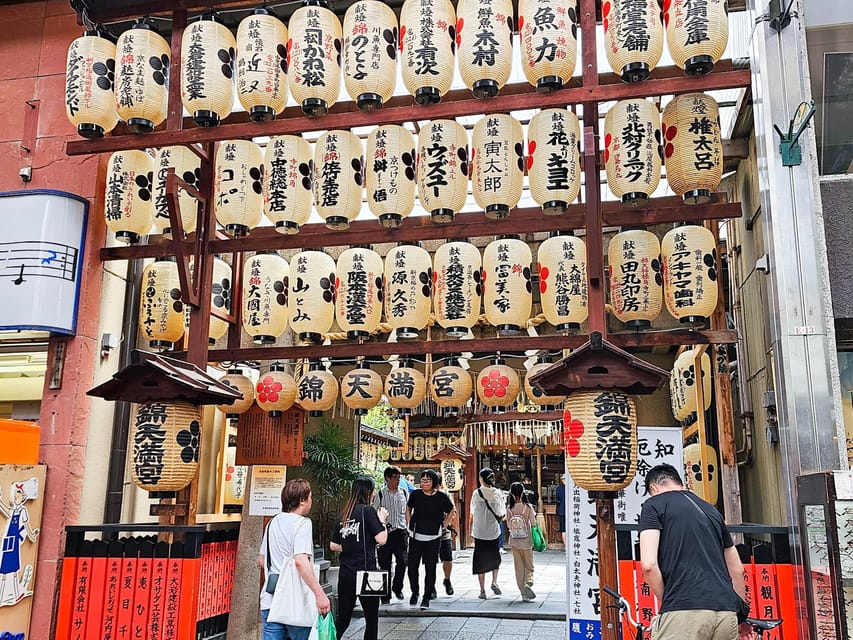
Book it if you want a compact, guided introduction to Kyoto’s food culture rather than a sit-down meal. The mix of Depachika, Nishiki Market, and Nishiki-Tenmangu Shrine gives you three different views of the area, while the four named tastings provide a clear reason to go.
At $42, the tour is fair value when you count the guide’s explanations, small group, and help choosing unfamiliar foods. It is less compelling for experienced Nishiki Market shoppers or anyone hoping to eat continuously. Arrive early, bring cash, ask about the tasting order, and treat the tour as a smart orientation to Kyoto’s Kitchen.
FAQ
How long is the Kyoto food tour?
The advertised duration is two hours. The listed stop times add up to longer than two hours, so confirm the exact schedule when booking if you have another timed activity.
Where does the tour meet?
The meeting point is Apple Kyoto. Your guide will wear a TripGuru shirt or hold a TripGuru sign.
Where does the tour finish?
The tour finishes at Kyoto-Kawaramachi Station.
What food is included?
The listed tasting items are yuba sashimi, a soy milk donut, Nishiki gyoza, and tempura hamo fish.
Are extra food and drinks included?
No. Additional food, drinks, and personal expenses are not included.
How large is the group?
The tour is limited to nine participants.
What language is the tour conducted in?
The live tour guide speaks English.
How early should I arrive?
Arrive at least 10 minutes before the stated meeting time. Guides will wait a maximum of 10 minutes before moving on.
More Market Food Tours in Kyoto
- Tokyo Tsukiji Fish Market Food and Culture Walking Tour
★ 5.0 · 3,184 reviews - Phuket: Full Day City Tour with Night Market
★ 4.5 · 2,888 reviews - London Bridge & Borough Market Food Tour with 7 Authentic Dishes
★ 5.0 · 1,972 reviews - Tokyo: Tsukiji Fish Market Food and Walking tour
★ 5.0 · 1,724 reviews
More Street Food Market Tours in Kyoto
- Golden Pavilion, Nijo Castle, & Nishiki Market Half day tour
★ 5.0 · 29 reviews - Kyoto: Nishiki Market Food Tour
★ 4.9 · 21 reviews - Taste of Nishiki Market Walking Food Tour with Local guide
★ 5.0 · 17 reviews - Kyoto: Nishiki Market Food Tour with Local Guide
★ 4.6 · 5 reviews
Just added around Kyoto
- Taste of Nishiki Market Walking Food Tour with Local guide★ 5.0 · 17 reviews
- Nishiki Market Food Tour with Cooking Class★ 4.9 · 42 reviews
- Kyoto: Nishiki Market Tour with a Local Foodie & Tastings★ 4.5 · 67 reviews
- Golden Pavilion, Nijo Castle, & Nishiki Market Half day tour★ 5.0 · 29 reviews
- Kyoto:Seasonal Kaiseki Reservation at Hanasaki Nishiki★ 5.0 · 3 reviews
- Kyoto: Hands-on Takoyaki and Okonomiyaki Cooking (1 Hour)★ 4.7 · 25 reviews
- Kyoto: Nishiki Market Food Tour with Local Guide★ 4.6 · 5 reviews
- Kyoto: Guided Local Food Tour with 13 dishes★ 5.0 · 3 reviews
Kyoto Street Food Tours, compared.
Nishiki Market Brunch Walking Tour (7 Tastings + Brunch)
Read our review →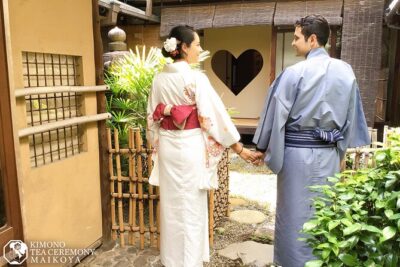
Kyoto Nishiki Market Food and Culture Walking Tour
Read our review →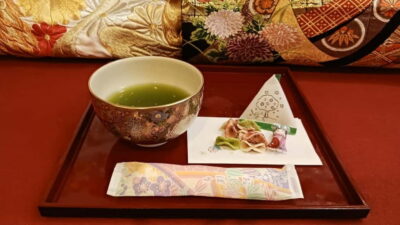
Kyoto: Nishiki Market Tea Ceremony with Koto Performance
Read our review →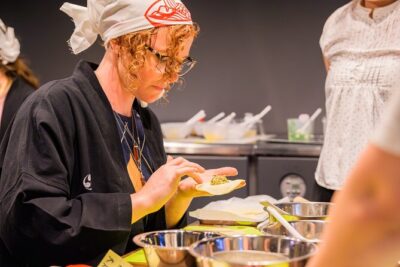
Gyoza Cooking Class in Kyoto: Traditional Japanese Dumplings
Read our review →
Kyoto: Local Food Tasting Tour at the Nishiki Market
Read our review →