
REVIEW · KYOTO STREET FOOD TOURS
Kyoto: Hands-on Takoyaki and Okonomiyaki Cooking (1 Hour)
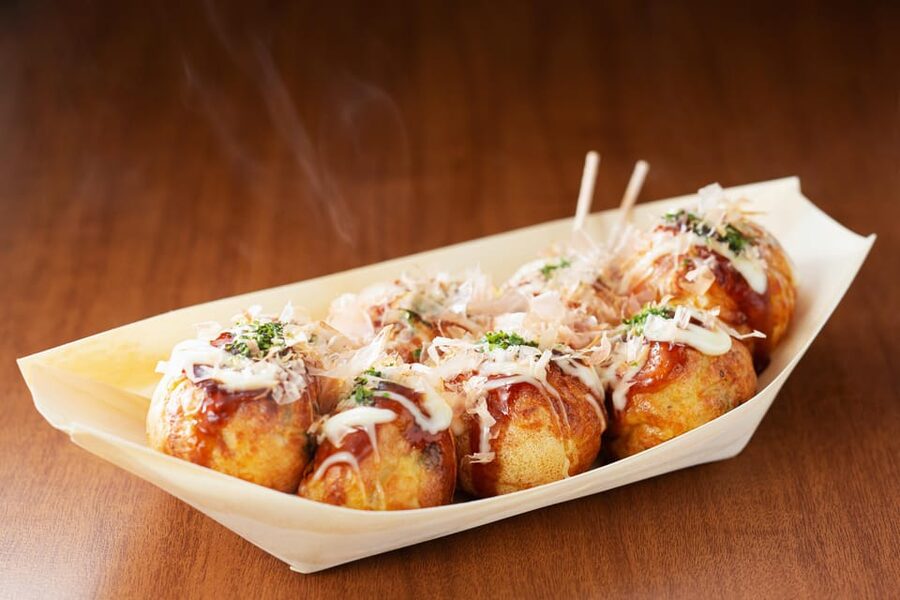
Kyoto’s food culture is not all temple cuisine and elegant tea rooms. In this one-hour cooking class, you make two Kansai favorites yourself: savory okonomiyaki and round, golden takoyaki. The format is practical, social, and short enough to fit between Nishiki Market and an afternoon of sightseeing.
I like the small maximum of six participants, which gives you room to ask questions instead of watching from the back. I also like that you eat the lunch or dinner you prepare, and that the class can adjust ingredients for gluten-free, vegan, halal-friendly, and allergy needs.
The main caution is the tight schedule. One hour leaves little room for a slow lesson, and an October 2025 participant found the class poorly prepared and rushed. Since December 2025, experienced instructors lead or supervise each class, but you should still book this for hands-on fun, not a long culinary course.
Key points at a glance
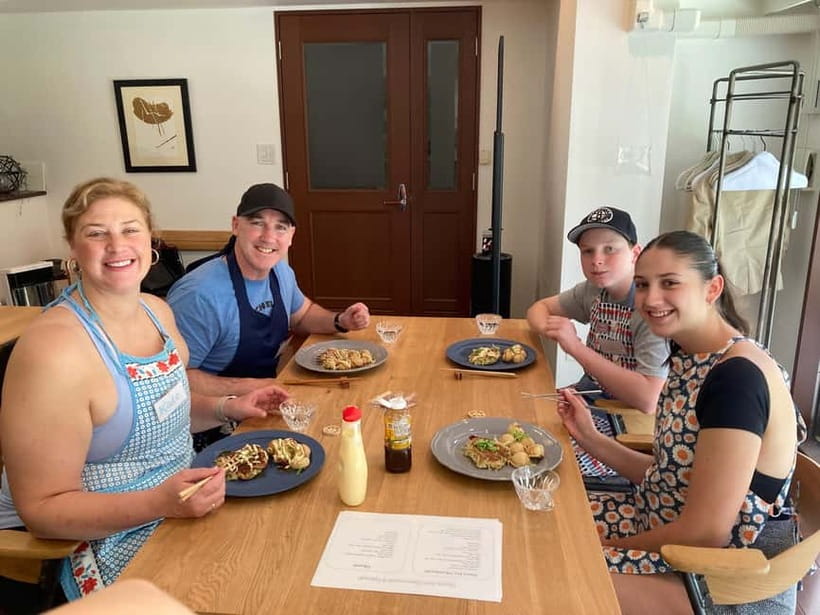
- You cook two Kansai classics: Make both okonomiyaki and takoyaki, then sit down to eat them.
- The class is built for beginners: You cook at your own pace while the instructor offers guidance and answers questions.
- Small groups matter: With no more than six participants, personal help is easier to get.
- Dietary requests are welcome: Gluten-free, vegan, halal-friendly, and allergy-safe ingredients can be arranged if you mention them when booking.
- The location is handy: It is about a 10-minute walk from Shijo or Karasuma Station and about 15 minutes on foot from Nishiki Market.
- The one-hour format is both strength and limit: It fits a busy Kyoto day, but it does not allow much time for a detailed culinary lecture.
Two Kansai comfort foods in one short class
This activity centers on two foods that are closely tied to everyday eating in western Japan.
Okonomiyaki is a savory pancake made with a batter and additional ingredients. Its name is often explained as meaning cook what you like, and the dish has been enjoyed in Japan since the Taisho era, from 1912 to 1926.
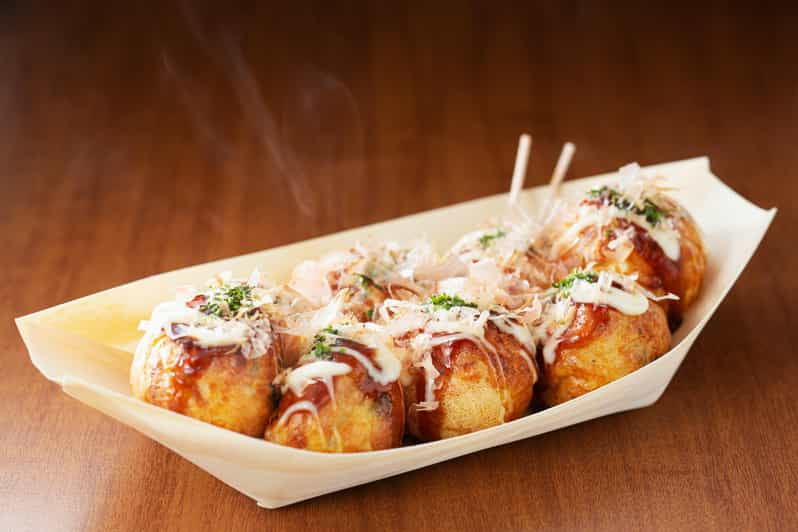
Takoyaki arrived later, becoming popular during the Showa era, from 1926 to 1989. These small balls of batter are cooked in a special molded pan, traditionally with octopus inside. Together, the two dishes give you a useful introduction to casual Kansai food without sending you across town to separate restaurants.
I like this pairing because the foods are different but related. Both involve batter, heat, timing, and a little judgment. You get to see how small changes in cooking technique affect the final result, even within a very short session.
This is not presented as a formal demonstration where you sit quietly and watch an instructor do everything. You prepare and cook the food yourself. The instructor supports you, answers questions, and shares tips as you work.
That makes the class a good fit if you want to learn by doing. It also means the experience may feel less polished than a staged cooking show. Your attention will be on the pan, the ingredients, and the clock.
More Cooking Classes in Kyoto:
- Gyoza Cooking Class in Kyoto: Traditional Japanese Dumplings
★ 5.0 · 210 reviews - Nishiki Market Food Tour with Cooking Class
★ 4.9 · 42 reviews - Gyoza Cooking Class in Kyoto: Traditional Japanese Dumplings
★ 5.0 · 12 reviews
What happens during the 60 minutes
The class begins at a private location near Shijo and Karasuma. Take the elevator to the third floor and press the doorbell for room 302. The address is convenient, but allow enough time to find the building and reach the room before your starting time.
Once inside, you receive an apron and use the provided cooking utensils. Ingredients are included in the $56 price, so you do not need to shop before arriving or pay extra for the food you cook.
The class does not follow a long lecture format. Instead, you work through the recipes with support from an English- or Japanese-speaking instructor. This matters for first-time visitors who may not know the names of the ingredients or how Japanese cooking equipment is used.
You prepare both dishes within the hour. The exact order and pacing can vary, but the structure is clear: make the food, cook it, and sit down to eat it before leaving.
A one-hour class requires cooperation. You will not have much time for repeated attempts or long pauses. If you like an active pace, this is useful. If you want careful instruction on every step, the time limit may feel restrictive.
One participant in an October 2025 class described a late start, a workspace that was not ready, and an instructor who referred to notes for the recipe. That account also described the host as pleasant, but found the session rushed and underprepared. The experience was updated in December 2025 so that classes are led or supervised by experienced instructors, with the flow and guidance refined for the short time available.
That update is worth noting, but I would still set realistic expectations. You are booking a friendly cooking activity, not a professional kitchen workshop.
Why the small group of six helps
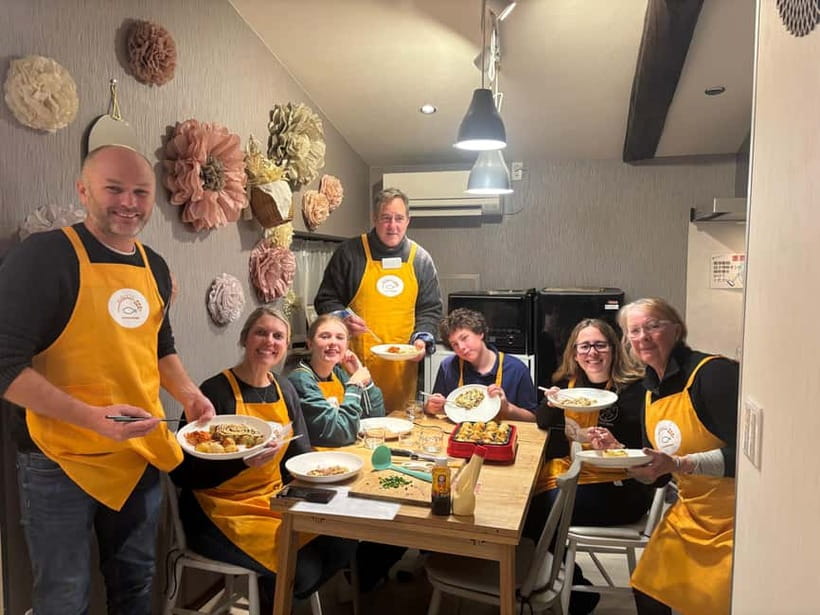
The maximum group size is six. That is a useful number for a cooking class because you can usually ask for help without interrupting a large demonstration.
You may also find the setting more relaxed than a big group activity. One couple described a private class with friendly guides who answered questions about Japan and shared how locals prepare these familiar dishes. Another participant noted having only two people in the class, which allowed more conversation with the hosts and more discussion of Japanese food culture.
Small groups also make it easier to adjust the pace. The information provided says participants cook at their own speed while the instructor supports them as needed. That is especially helpful if you have never used a takoyaki pan or are unsure when to turn the food.
There is a tradeoff. A small home-style class may not have the production polish of a large cooking studio. The value comes from direct interaction and doing the work yourself, not from elaborate staging.
The instructors speak English and Japanese. That is enough for basic cooking guidance and questions, but the depth of conversation can depend on the instructor and the group.
Eating what you make
After the cooking is finished, you sit down and eat the okonomiyaki and takoyaki you prepared. This simple ending is one of the strongest parts of the activity. You are not just following a recipe for practice. The finished food becomes your lunch or dinner.
The meal is included in the price, along with the ingredients, apron, and utensils. For Kyoto, where a sit-down meal can quickly add to the day’s costs, that gives the class some practical value.
Still, the $56 price should be judged as the cost of both food and instruction. If you only want to taste takoyaki and okonomiyaki, you can find them more cheaply at casual restaurants. Book this because you want to make the dishes, ask questions, and take part in the process.
The final meal also gives you a chance to notice the difference between the two foods. Okonomiyaki is broad and substantial, while takoyaki is small, round, and dependent on careful turning. Making both in one sitting gives you a better sense of their texture and cooking method than ordering them from a counter.
The activity description does not promise a printed recipe or a cooking kit to take home. If you want to recreate the dishes later, ask questions during the class and take your own notes if permitted.
A few more street food tours around Kyoto worth a look
- Small Group Cooking Class & Market Food Tour in Florence
★ 5.0 · 1,574 reviews - Tokyo Sushi Making Class in Tsukiji with Professional Chef
★ 5.0 · 1,177 reviews - Athens: Food Market Visit and Cooking Class with Wine
★ 4.9 · 1,087 reviews - Warsaw’s No 1 cooking class-Polish dumplings with liqueur tasting
★ 5.0 · 576 reviews
Dietary needs must be arranged in advance
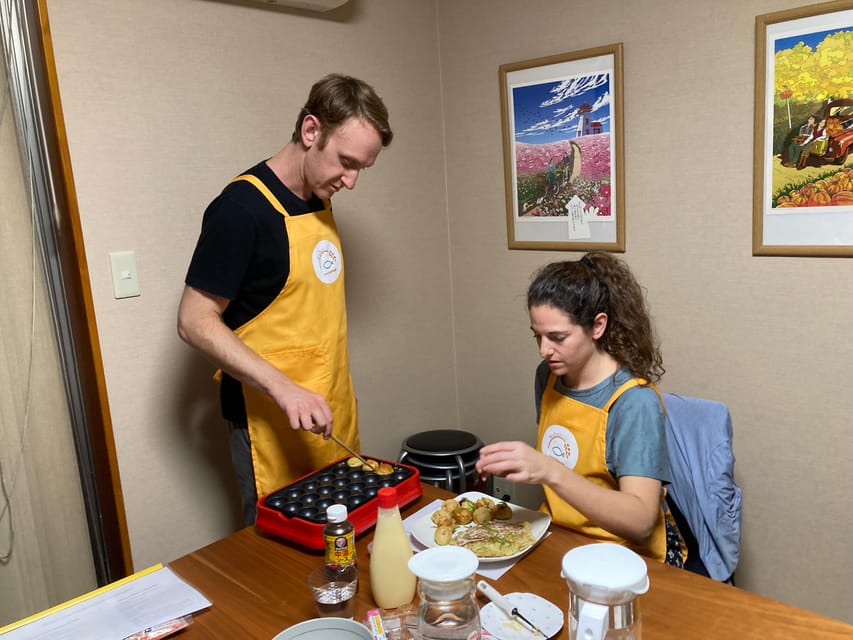
This is one of the most useful features of the activity. Gluten-free, vegan, halal-friendly, and allergy-safe ingredients are available, but you must state your needs when booking.
Do not wait until you arrive. Japanese sauces, batter, stock, and toppings can contain ingredients that are not obvious, so the instructor needs time to adjust the preparation.
The information specifically confirms that ingredients can be prepared for:
- Gluten-free diets
- Vegan diets
- Halal-friendly diets
- Food allergies
You should describe your restriction clearly rather than simply writing that you have dietary preferences. The class can adjust ingredients accordingly, but the supplied information does not promise that the cooking space is free from every trace of an allergen.
This option makes the activity more practical for mixed groups. One person can request a special version while others prepare the standard recipes. The key is advance notice.
Reaching the cooking room from central Kyoto
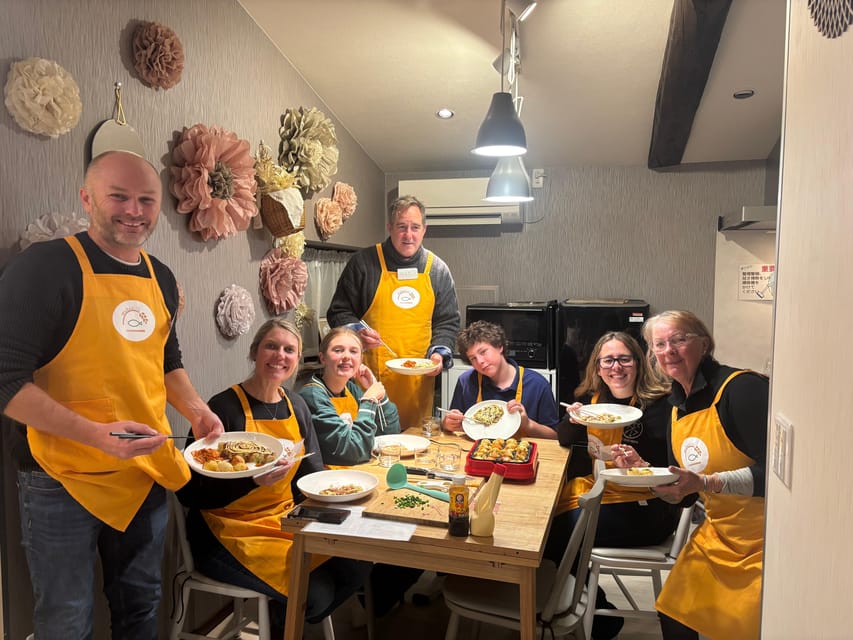
The location is easy to add to a central Kyoto day.
From Shijo Station or Karasuma Station, expect about a 10-minute walk. From Kyoto Station, the trip takes roughly 15 minutes by train or bus, followed by a short walk. Nishiki Market is about a 15-minute walk away, so the class pairs well with a market visit.
I would plan the cooking class around, rather than during, your market meal. Nishiki Market is a natural place to browse snacks and ingredients, but arriving at a cooking class after eating a full meal may lessen the fun of preparing two substantial dishes.
The meeting instructions are simple: go to the third floor by elevator and press the doorbell for 302. Since this is a room-based meeting point rather than a large storefront, check the directions carefully and avoid arriving at the last second.
Transportation to and from the location is not included. That is not a serious problem in central Kyoto, but you should include your train, bus, or walking time when planning the day.
Who will get the most from this class
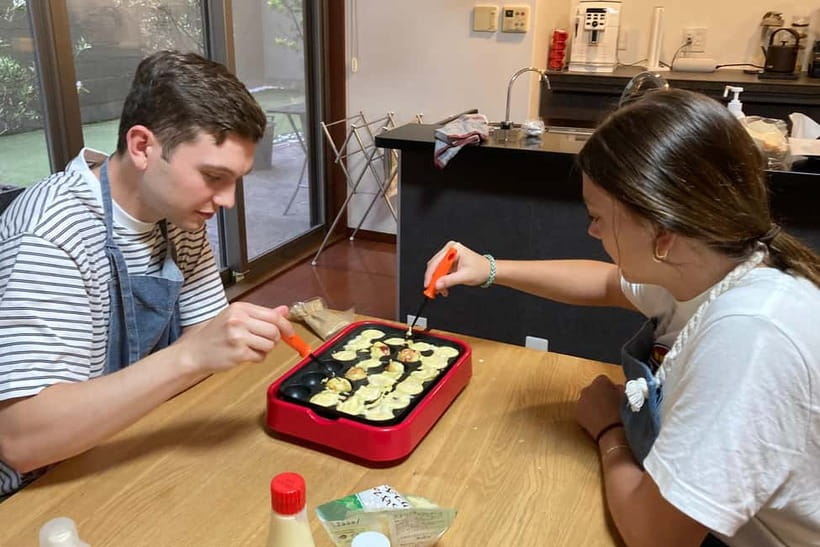
This experience suits first-time visitors to Japan who want a short food activity with direct participation. You do not need previous cooking experience, and the format is designed to be easy to follow.
It is also a good choice for couples, families, and small groups who want an indoor break from sightseeing. One couple particularly enjoyed learning how locals prepare familiar dishes in a home-style setting, while another small group valued the chance to ask questions about Japanese food culture.
The class is less suitable if you want an in-depth course on Japanese cuisine. You will not have time for a broad lesson on regional foodways, knife skills, market shopping, or several different dishes.
It may also disappoint you if your main goal is a polished, highly choreographed activity. The short format and informal setting put more weight on the instructor’s preparation and communication.
The December 2025 change is encouraging because experienced instructors now lead or supervise the sessions. Even so, the safest way to think about the class is as a relaxed, hands-on meal with guidance, not as a formal culinary school lesson.
Is $56 a fair price?
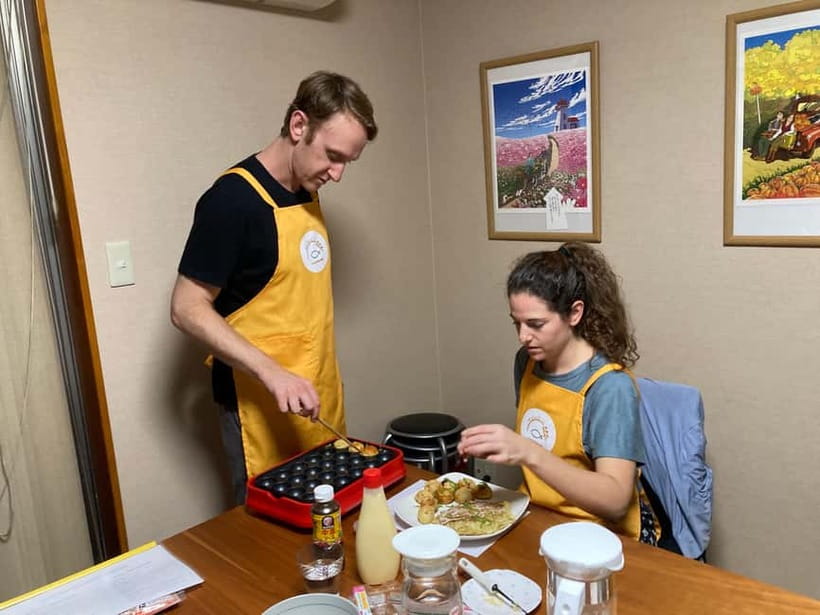
At $56 per person, the class is not the cheapest way to eat these foods in Kyoto. You can order prepared takoyaki or okonomiyaki for less at casual eateries.
The price makes more sense when you count what is included: ingredients, an apron, utensils, a meal, and one hour of instruction in a small group. You are paying for access to the cooking process and the chance to ask questions, not just for a plate of food.
The group limit of six improves the value. A large class could make the price harder to justify, since much of your time might be spent watching. Here, the stated format is active, with participants preparing and cooking the dishes themselves.
The activity also offers free cancellation up to 24 hours before the start time and a reserve-now, pay-later option. Those policies are useful if your Kyoto schedule is still shifting, though you should check the available starting times before building your day around it.
What the feedback tells me about consistency
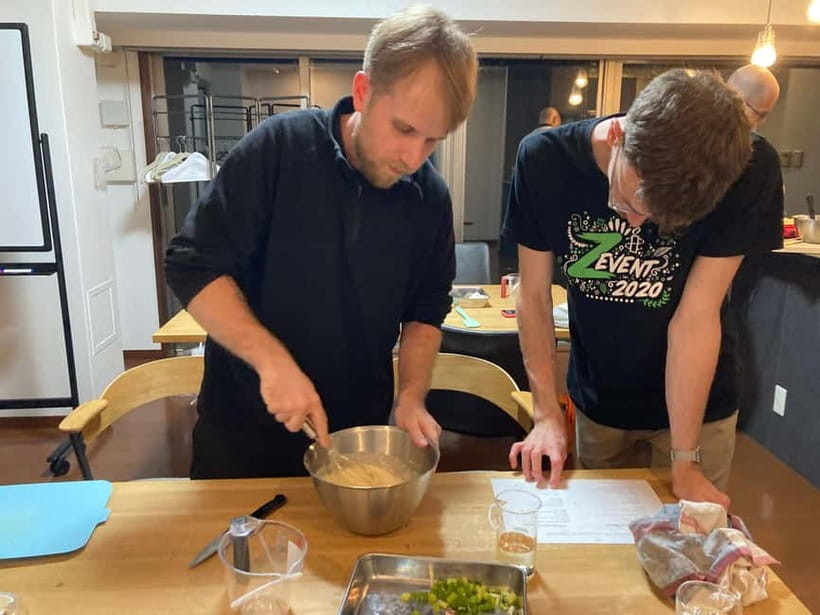
The overall rating is 4.7 from 25 reviews, with many strong comments about personal attention, friendly hosts, and the pleasure of cooking two classic dishes in a short session.
The most consistent praise concerns the human side of the activity. Participants appreciated direct conversation, personal help, and learning food traditions in a private or very small setting. The pairing of dishes also works well, since the ingredients and methods overlap while the finished foods feel distinct.
There is one important caution. An October 2025 account described a late host, no preparation on arrival, cleaning during the session, and recipe notes being consulted during cooking. That is a sharp contrast with the more positive accounts from August, September, and November.
The December 2025 update says all classes are now led or supervised by experienced instructors and that the timing and guidance have been refined. If you book after that update, this is the version you should expect, though no short class can remove every risk of a scheduling or preparation hiccup.
Should you book this Kyoto cooking class?
Book it if you want to make and eat two everyday Japanese dishes in a small, informal setting. The location is convenient, the one-hour length fits a busy itinerary, and dietary adjustments are available with advance notice.
I would especially recommend it for first-time visitors, couples, and anyone who prefers active food experiences over restaurant meals. It is also a sensible choice if you want to learn techniques you can try again at home.
Skip it if you only want a cheap meal, need a long and detailed cooking lesson, or expect a fully staged professional workshop. The class is at its best when you value personal interaction, simple guidance, and the fun of turning batter into dinner.
FAQ
How long does the cooking class last?
The experience lasts one hour.
What foods will I cook?
You will prepare and cook okonomiyaki and takoyaki.
Is the class suitable for beginners?
Yes. The class is designed for beginners and first-time visitors to Japan. You cook at your own pace while the instructor provides support and answers questions.
Are gluten-free, vegan, halal-friendly, and allergy-safe options available?
Yes. Ingredients can be adjusted for gluten-free, vegan, halal-friendly, and allergy requirements. You must provide this information when booking.
What languages are spoken by the instructor?
The instructors speak English and Japanese.
How many people can join the class?
The small group is limited to six participants.
Where is the meeting point?
Take the elevator to the third floor and press the doorbell for room 302. The location is about a 10-minute walk from Shijo Station or Karasuma Station, and about a 15-minute walk from Nishiki Market.
More 1-Hour Experiences in Kyoto
- Madrid: 1-Hour Segway Tour with Chocolate and Churros
★ 4.9 · 65 reviews - 1h Boat Trip + 2h Dockside Local Wine & Food Tasting
★ 5.0 · 36 reviews - Nairobi: 1 Hour Gastronomic and Street Food tour of Nairobi
★ 5.0 · 6 reviews
Just added around Kyoto
- Taste of Nishiki Market Walking Food Tour with Local guide★ 5.0 · 17 reviews
- Nishiki Market Food Tour with Cooking Class★ 4.9 · 42 reviews
- Kyoto: Nishiki Market Tour with a Local Foodie & Tastings★ 4.5 · 67 reviews
- Golden Pavilion, Nijo Castle, & Nishiki Market Half day tour★ 5.0 · 29 reviews
- Kyoto:Seasonal Kaiseki Reservation at Hanasaki Nishiki★ 5.0 · 3 reviews
- Kyoto: Nishiki Market Food Tour with Local Guide★ 4.6 · 5 reviews
- Kyoto: Nishiki Market Food Tour★ 4.9 · 21 reviews
- Kyoto: Guided Local Food Tour with 13 dishes★ 5.0 · 3 reviews
Kyoto Street Food Tours, compared.
Nishiki Market Brunch Walking Tour (7 Tastings + Brunch)
Read our review →
Kyoto Nishiki Market Food and Culture Walking Tour
Read our review →
Kyoto: Nishiki Market Tea Ceremony with Koto Performance
Read our review →
Gyoza Cooking Class in Kyoto: Traditional Japanese Dumplings
Read our review →
Kyoto: Local Food Tasting Tour at the Nishiki Market
Read our review →
Kyoto: Nishiki Market and Depachika Food Tour with a Local
Read our review →Browse the lists this tour appears in