
REVIEW · KYOTO STREET FOOD TOURS
Kyoto:Seasonal Kaiseki Reservation at Hanasaki Nishiki
Hanasaki Nishiki turns a meal into a quiet lesson in Kyoto food culture. You sit in a traditional machiya townhouse near Shijo-Karasuma, then work through a seasonal course built around Kyoto vegetables, tofu, seafood, and other local ingredients. The setting is calm, with tatami or horigotatsu seating and views toward an inner garden.
I like the monthly-changing menu, which gives the meal a clear link to the season, and the central location, just five minutes from both Karasuma Station and Shijo Station. Staff can explain each dish in English, a useful touch when every small serving has a different ingredient or preparation.
The main catch is simple: the $39 price covers the full course, but drinks beyond water cost extra. This is a reservation for the restaurant only, so you enter on your own and should not expect a guide or a walking tour before dinner.
Key points to know before booking
- Seasonal Kyoto cooking: The menu changes monthly and uses local vegetables, tofu, seafood, and other ingredients tied to the time of year.
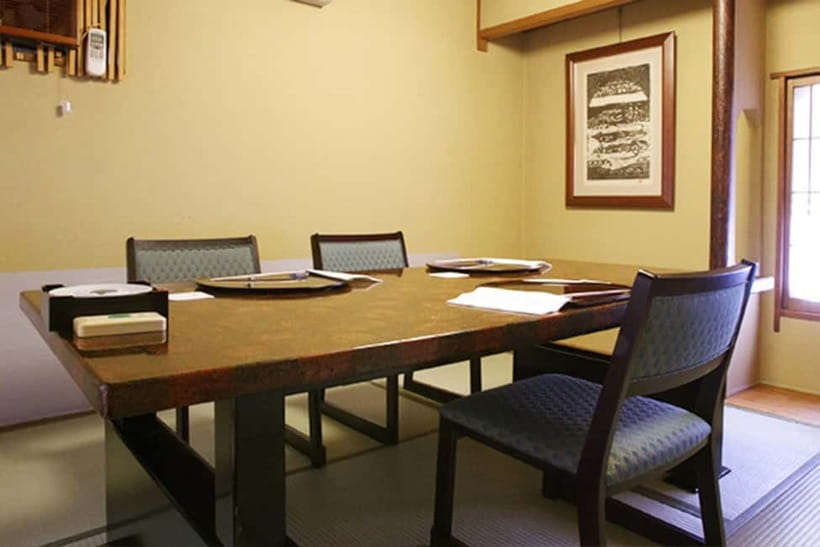
- Machiya setting: You dine in a traditional Kyoto townhouse with private tatami or horigotatsu rooms facing a quiet inner garden.
- Easy central access: The restaurant is about a five-minute walk from Karasuma Station and Shijo Station.
- English dish explanations: Staff can explain the courses in English, making the meal easier to follow for international diners.
- Two-hour pace: The meal gives you time to appreciate several courses without taking up an entire evening.
- Optional cultural entertainment: Maiko and geiko performances can be arranged on request, though you should confirm this before booking.
A quiet machiya meal near Shijo-Karasuma
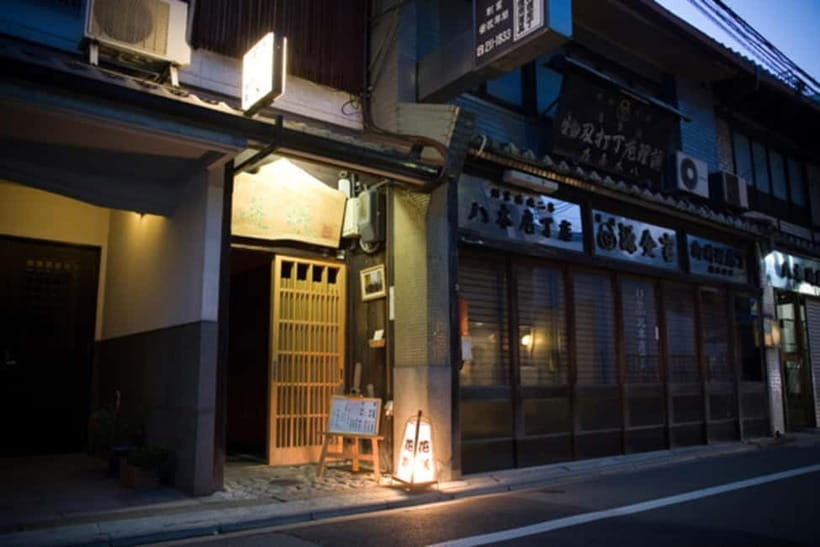
The appeal of Hanasaki Nishiki begins before the first course arrives. Shijo-Karasuma is one of central Kyoto’s busiest commercial areas, but the restaurant sits in a quieter alley nearby. You leave the department stores, offices, and main traffic behind, then enter a traditional machiya townhouse.
That change of mood matters. Kaiseki is not designed as a quick meal between sightseeing stops. It asks you to notice the food, the arrangement of the room, and the order in which each course arrives. The two-hour schedule gives the meal room to breathe without requiring a whole afternoon.
You will enter the restaurant directly at your reservation time. There is no guide, group meeting, or planned introduction to the neighborhood. That makes the experience easy to fit around Nishiki Market, shopping, a business appointment, or an evening walk through central Kyoto.
The restaurant’s rooms use tatami or horigotatsu seating. Tatami means traditional floor seating, while horigotatsu provides a recessed space for your legs. The exact room arrangement depends on your reservation, but both styles suit the quiet character of a Kyoto townhouse.
More Fish Market and Seafood Tours in Kyoto
- Nishiki Market Brunch Walking Tour (7 Tastings + Brunch)
★ 5.0 · 1,355 reviews - Kimono Tea Ceremony at Kyoto Maikoya, NISHIKI
★ 5.0 · 911 reviews - Kyoto Nishiki Market Food and Culture Walking Tour
★ 5.0 · 412 reviews
What the two-hour kaiseki course includes
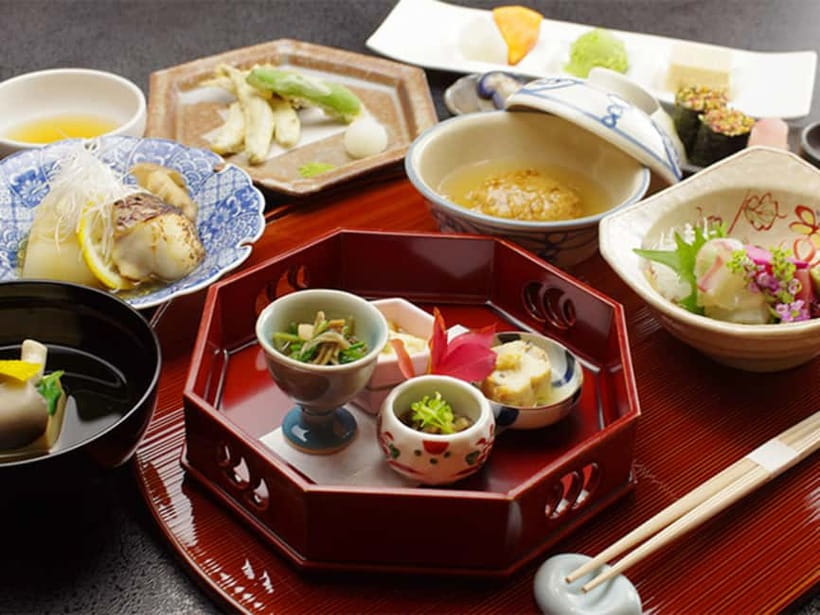
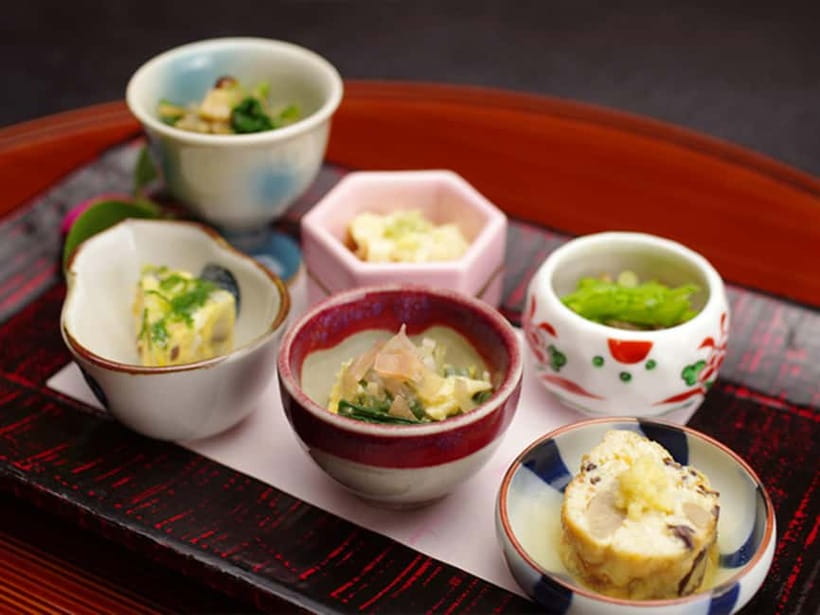
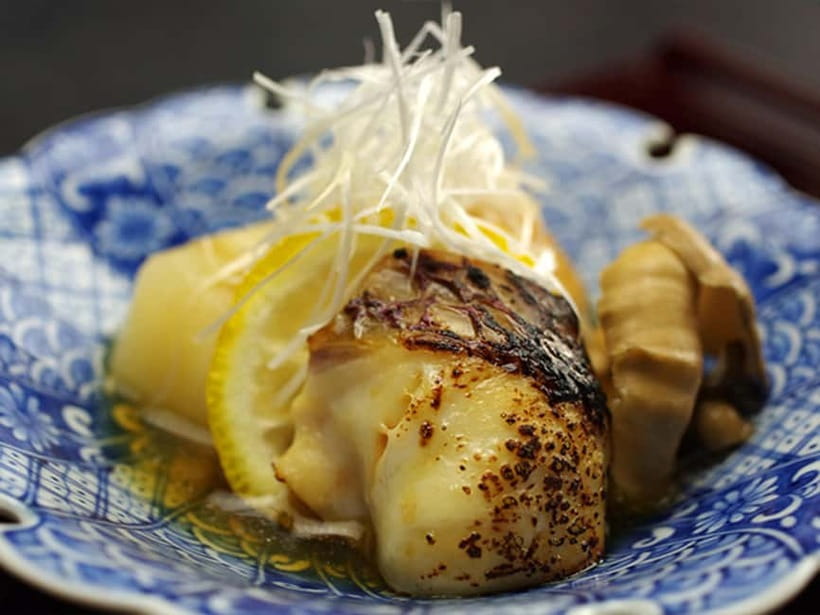
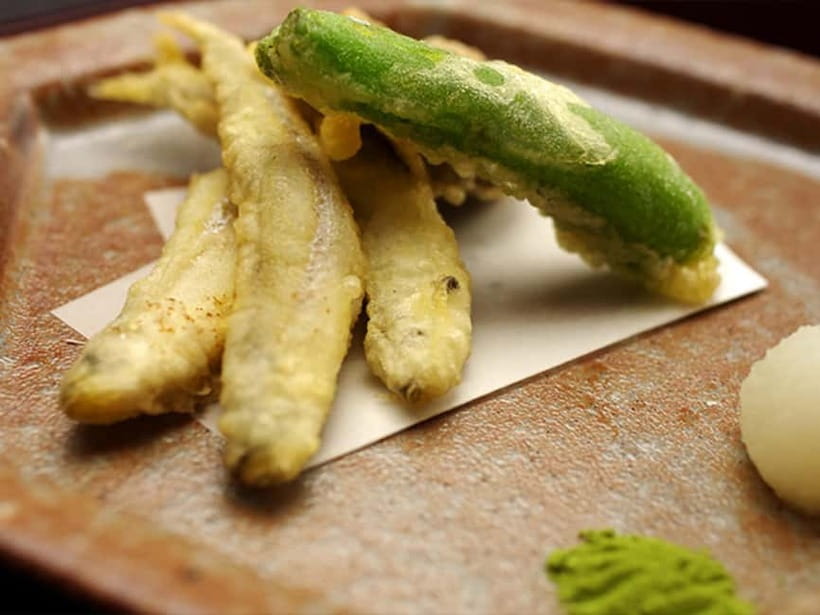
The full course is the heart of the experience. Kaiseki is built around several small dishes rather than one large plate, so the meal develops in stages. You are likely to see changing textures, careful plating, and ingredients selected for the season.
The menu changes monthly. That is more than a marketing detail. Kyoto cooking pays close attention to what is available at a particular time of year, and a monthly menu lets the restaurant adjust its ingredients and presentation rather than serve the same fixed meal all year.
Kyoto vegetables are a major focus. These vegetables are closely linked with the city’s cooking traditions and give the meal a local identity that a generic Japanese set menu may lack. Tofu also appears among the local ingredients, along with seasonal seafood.
One reported course included delicately prepared Kyoto beef. It should not be treated as a guaranteed dish, since the menu changes and the restaurant follows the season. Still, it shows the kind of local ingredient that may appear in a carefully planned course.
The value of kaiseki is not measured only by portion size. The servings are part of a sequence, and the pleasure comes from the mix of flavor, texture, temperature, and presentation. If you prefer a large, fast meal, the format may feel restrained. If you enjoy noticing details, the two-hour pace works well.
Staff can explain the dishes in English. That is especially helpful here because the menu changes and some ingredients may not be familiar. You can better understand what is local, what is seasonal, and how each course fits into the meal.
Why the seasonal menu matters in Kyoto
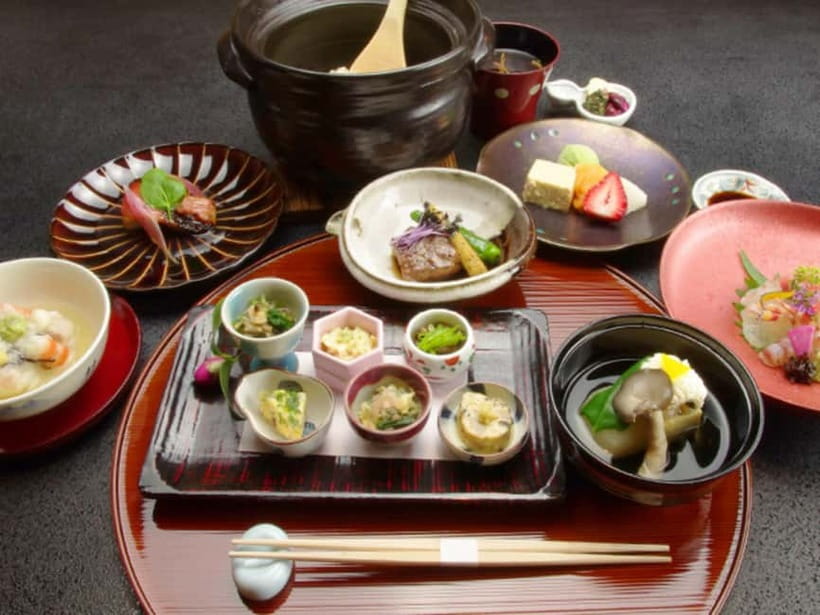
Kyoto has a strong food culture built on restraint and balance. A seasonal menu gives you a small taste of that approach without requiring specialist knowledge. You do not need to identify every vegetable or understand every cooking technique to enjoy it, but explanations help you see why the menu is arranged as it is.
The use of local ingredients also gives the meal a sense of place. Kyoto vegetables and tofu tell you more about the city than a familiar international dish would. Seasonal seafood adds variety, while the possible appearance of Kyoto beef shows that the menu is not limited to plant-based items.
Presentation is part of the experience. In kaiseki, the appearance of each serving, the dish it arrives on, and the way the courses are spaced all contribute to the meal. The food is meant to look considered rather than piled high.
This can be a good choice for someone who wants a cultural meal but does not want a formal lesson. The restaurant provides the setting and service, while the changing menu gives you something to pay attention to. You simply sit, listen to the explanation, and take each course as it comes.
Tatami rooms, horigotatsu seating, and the inner garden
The dining room gives Hanasaki Nishiki much of its appeal. A traditional townhouse feels different from a modern restaurant near Kyoto’s office towers, even when it is only a short walk away. The inner garden adds a peaceful view and helps create a private, settled mood.
The rooms are suited to special occasions, but the setting is not limited to romantic dinners. The restaurant also works for a business lunch, a quiet meal with family, or a cultural food experience during a first visit to Kyoto.
Tatami seating can be unfamiliar if you have never eaten in a Japanese-style room. Horigotatsu seating is more forgiving because the recessed floor allows you to sit with your legs below you. If seating comfort is important, ask about the available arrangement when making your reservation.
The restaurant is wheelchair accessible, which makes it more practical for many people than a traditional Japanese dining room might be. Still, room layouts can vary, so it is sensible to confirm any specific seating needs ahead of time.
The calm room is also a useful contrast to Kyoto’s crowded sightseeing areas. You do not get a guide to explain the neighborhood, but you do get a peaceful place to pause after walking through the city.
Same city, a different plate:
- Kyoto: Nishiki Market Tea Ceremony with Koto Performance
★ 4.8 · 294 reviews - Gyoza Cooking Class in Kyoto: Traditional Japanese Dumplings
★ 5.0 · 210 reviews - Kyoto: Gion Local Food Tour (Taste 15 Dishes)
★ 5.0 · 171 reviews - Kyoto: Local Food Tasting Tour at the Nishiki Market
★ 4.7 · 135 reviews
Location and timing near Kyoto’s shopping district
Hanasaki Nishiki is about a five-minute walk from Karasuma Station on the Hankyu Kyoto Line and about five minutes from Shijo Station on the Kyoto Municipal Subway Karasuma Line. Those two access points make the restaurant easy to reach from several parts of central Kyoto.
The location is convenient if you are already near Nishiki Market, Shijo shopping streets, or the Karasuma business district. You can plan the meal as the main event, rather than treating it as a long journey across town.
Allow enough time to reach the alley and find the entrance without rushing. Since this is a restaurant reservation only, you are responsible for getting there and entering at the scheduled time. There is no guide waiting at a station.
The meal lasts about two hours. That is long enough for a complete course and a relaxed pace, but short enough to combine with other evening plans. I would avoid booking anything immediately afterward if you want time to enjoy the food and room without watching the clock.
Price, drinks, and what you really receive
At $39 per person, the reservation offers good value for a full seasonal kaiseki course in a traditional townhouse setting. The price includes the complete menu, sales tax, and the reservation itself. For Kyoto, where formal dining can become expensive quickly, that makes this a fairly approachable way to try kaiseki.
The price does not include drinks other than water. This is the main point to keep in mind when planning your budget. A meal advertised at $39 will not necessarily remain a $39 total if you order additional beverages.
You are paying for more than ingredients. The price also covers the careful sequence of courses, the townhouse setting, the garden view, the service, and the English explanations. Those elements matter if your aim is a cultural dining experience rather than simply finding the cheapest Japanese meal.
The value is less clear if you mainly want a large portion or a casual bowl of noodles. Kaiseki portions are usually modest by design, and the focus is on variety and presentation. You should book this for the full experience, not only for hunger relief.
Optional maiko and geiko performances
Hanasaki Nishiki can arrange maiko and geiko performances upon request. This adds a traditional Kyoto arts element to the meal and could make the occasion especially memorable.
Do not assume a performance is included in the standard $39 reservation. It is described as something that can be arranged, so you should ask about availability, timing, and any additional cost before booking.
This option may suit a birthday, anniversary, business dinner, or someone making a special effort to connect food with Kyoto culture. It may be unnecessary if your main goal is simply to enjoy the seasonal menu in a quiet room.
The meal works well without entertainment. The food, townhouse, garden, and service already provide the core experience. Think of the performance as an optional addition, not a required part of the reservation.
Who will enjoy Hanasaki Nishiki most
I would recommend this meal to you if you want to try kaiseki without committing to a very long or highly formal dining event. The two-hour duration is manageable, and the central location makes it easy to fit into a day in Kyoto.
It is also a strong choice for:
- A first introduction to seasonal Japanese cuisine
- A special occasion in a traditional setting
- A business lunch or quiet client meal
- Diners who appreciate small portions and careful presentation
- International visitors who want English explanations
- Anyone staying near Shijo-Karasuma or visiting Nishiki Market
You may want to choose something else if you need a highly flexible walk-in meal, dislike sitting in a Japanese-style room, or want drinks included in the listed price. You should also check the performance details carefully if maiko or geiko entertainment is central to your plans.
The available feedback points to the same strengths: attentive service, a peaceful setting, seasonal local ingredients, and clear English explanations. Those are the features I would weigh most heavily when deciding.
Booking and cancellation details
You can cancel up to 24 hours in advance for a full refund. The reservation also offers a reserve-now-and-pay-later option, which can help if your Kyoto schedule is still shifting.
At the appointed time, enter the restaurant directly. No guide is provided, and the reservation does not include transportation or a neighborhood tour.
The experience is wheelchair accessible. If you need a particular seating arrangement or have questions about tatami and horigotatsu seating, contact the restaurant before the meal rather than waiting until arrival.
Should you book this Kyoto kaiseki meal?
Book Hanasaki Nishiki if you want a compact, well-located introduction to Kyoto’s seasonal cooking in a traditional room. The strongest reasons are the monthly menu, local ingredients, peaceful inner garden, and staff who can explain the dishes in English.
The $39 price is attractive for a full course, but remember to budget for drinks and do not expect a guide. I would especially choose it for a special meal near Shijo-Karasuma, or for a first kaiseki experience that feels cultural without taking over your whole day.
If that sounds like your kind of evening, this reservation makes sense. If you want a casual meal, large portions, or an all-inclusive price, spend your dining budget elsewhere.
FAQ
Where is Hanasaki Nishiki located?
Hanasaki Nishiki is near Shijo-Karasuma in central Kyoto. It is about a five-minute walk from Karasuma Station on the Hankyu Kyoto Line and Shijo Station on the Kyoto Municipal Subway Karasuma Line.
How long does the dining experience last?
The meal lasts approximately two hours.
What does the $39 price include?
The price includes the full course menu, sales tax, and the restaurant reservation.
Are drinks included?
Water is included, but other drinks are not included in the price.
Is a guide provided?
No. This is a restaurant reservation only. At the reservation time, you enter the restaurant directly.
Can the dishes be explained in English?
Yes. Staff can explain each dish in English.
Can maiko or geiko performances be arranged?
Yes. Maiko and geiko performances can be arranged upon request. Confirm the details before booking, since the standard reservation information does not state that a performance is included.
Is the restaurant wheelchair accessible?
Yes. The activity is listed as wheelchair accessible.
Just added around Kyoto
- Taste of Nishiki Market Walking Food Tour with Local guide★ 5.0 · 17 reviews
- Nishiki Market Food Tour with Cooking Class★ 4.9 · 42 reviews
- Kyoto: Nishiki Market Tour with a Local Foodie & Tastings★ 4.5 · 67 reviews
- Golden Pavilion, Nijo Castle, & Nishiki Market Half day tour★ 5.0 · 29 reviews
- Kyoto: Hands-on Takoyaki and Okonomiyaki Cooking (1 Hour)★ 4.7 · 25 reviews
- Kyoto: Nishiki Market Food Tour with Local Guide★ 4.6 · 5 reviews
- Kyoto: Nishiki Market Food Tour★ 4.9 · 21 reviews
- Kyoto: Guided Local Food Tour with 13 dishes★ 5.0 · 3 reviews
Kyoto Street Food Tours, compared.
Nishiki Market Brunch Walking Tour (7 Tastings + Brunch)
Read our review →
Kyoto Nishiki Market Food and Culture Walking Tour
Read our review →
Kyoto: Nishiki Market Tea Ceremony with Koto Performance
Read our review →
Gyoza Cooking Class in Kyoto: Traditional Japanese Dumplings
Read our review →
Kyoto: Local Food Tasting Tour at the Nishiki Market
Read our review →
Kyoto: Nishiki Market and Depachika Food Tour with a Local
Read our review →Browse the lists this tour appears in