REVIEW · KYOTO STREET FOOD TOURS
Nishiki Market Food Tour with Cooking Class
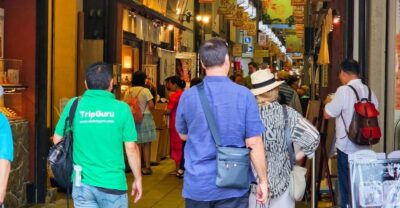
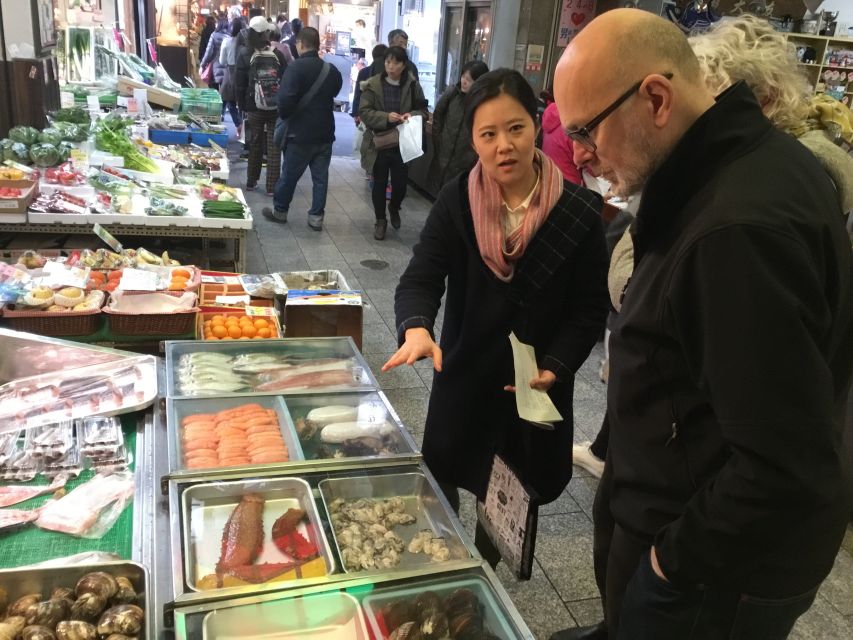
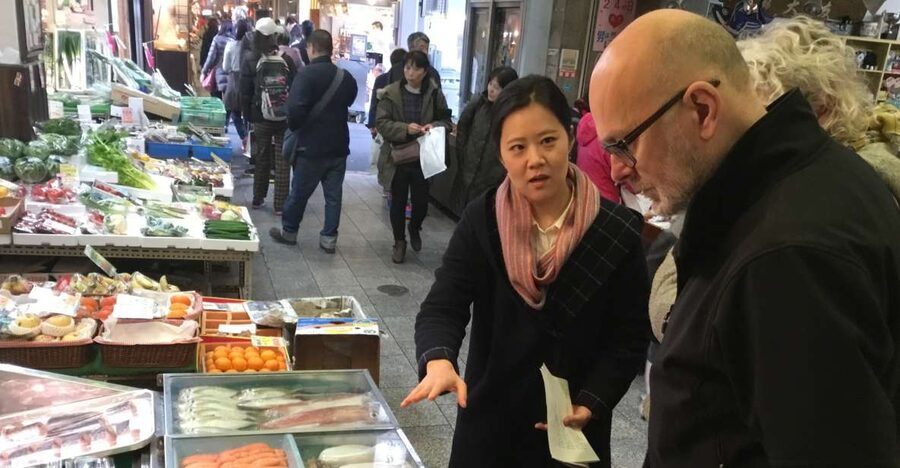
Nishiki Market is easy to walk through and easy to misunderstand. Without help, you may see a long arcade of food stalls and move on in 15 minutes. With a local guide, you get the backstory, the food customs, help with Japanese labels, and a chance to ask why one shop is famous for pickles while another is known for meat or spices. I especially like the private format, which lets you set the pace, and the fact that you cook with ingredients chosen during the market visit. The main caution is timing: some people found the market portion shorter and less generous with tastings than expected, especially when the aisles were crowded.
The second half turns sightseeing into lunch. You choose seafood, tempura, or chicken-and-egg donburi, then prepare it in a clean cooking studio with an English-speaking instructor. Ingredients and a taxi from the market are included, but extra snacks and personal shopping are not. The optional sake tasting is a nice add-on for adults, while the cooking itself works well for families and mixed-age groups.
Key points at a glance
- Start at Nishiki Market’s western entrance: Meet your private English-speaking guide at the market’s western side and get oriented before entering the food arcade.
- Ask about unfamiliar foods: Your guide can explain ingredients, customs, shop specialties, and help translate questions for stall staff.
- Choose your own donburi: Pick kaisen-don with seafood, ten-don with tempura, or oyako-don with chicken and egg.
- Cook with the day’s market ingredients: The food you help select becomes the basis of your meal, and a recipe is provided afterward.
- Sample more than your main dish: The tour includes market tastings and free Japanese pickle samples, with three types of sake available as an optional tasting.
- Allow for a crowded market: Nishiki can be tight and busy, so the guide’s explanations and etiquette tips are a major part of the value.
Why Nishiki Market needs a guide
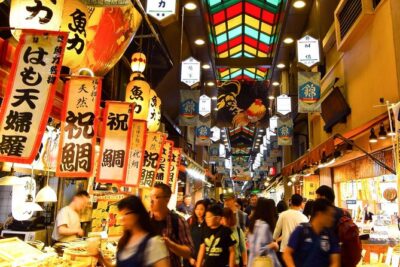
Nishiki Market looks simple on a map: one long food market in central Kyoto. In practice, it is a dense run of specialist shops selling pickles, spices, seafood, meat, sweets, prepared foods, and small bites. You can stroll from one end to the other quickly, but a fast walk tells you little about what you are seeing.
This tour begins at the western entrance with a briefing, then spends about an hour inside the market. That hour matters because the guide gives meaning to the displays. You can ask about foods you have never seen, learn which shops have long-standing reputations, and get help speaking with shop staff when English is not enough.
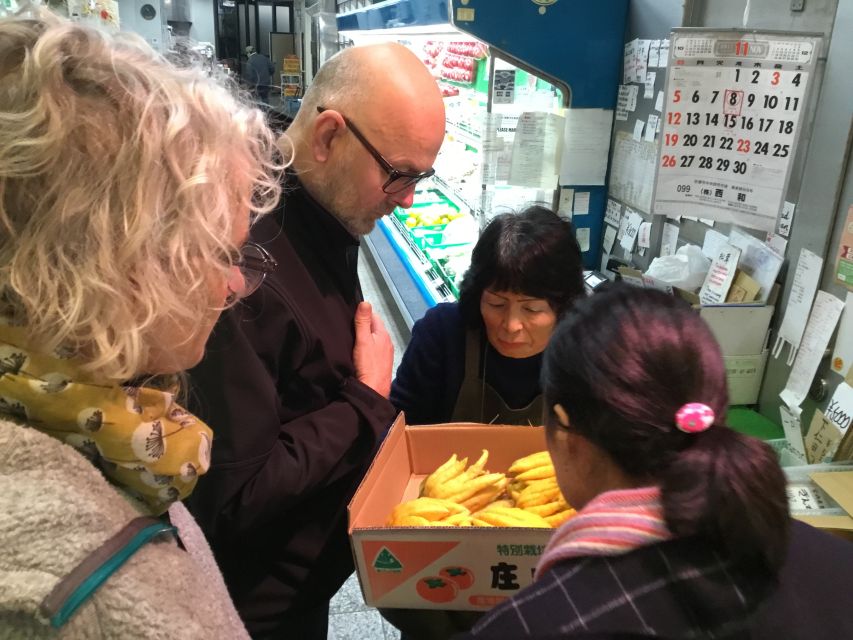
I like this approach more than a simple eat-as-you-go market visit. Nishiki has plenty of food aimed at casual sampling, but the best use of your time is not always obvious. A guide can point out the shops worth remembering and explain what Kyoto is known for. You may also get suggestions for places to return to later, after you have had time to decide what you really want to buy.
The market is also a place where local manners matter. One useful point explained on the tour is that eating while walking is not considered proper here. You are expected to finish food near the stall or in the designated area rather than wander through the arcade with a skewer in hand. That sort of small rule is easy to miss and helps you shop with more confidence.
Expect some crowding. One person who took the tour in a busy period found the market section less detailed than hoped. That is a fair warning. The guide may need to keep you moving, and stopping for every stall is not realistic when the aisle is packed. If market interpretation is your main reason for booking, choose a time when the market is less congested if starting times allow.
More Fish Market and Seafood Tours in Kyoto
- Nishiki Market Brunch Walking Tour (7 Tastings + Brunch)
★ 5.0 · 1,355 reviews - Kimono Tea Ceremony at Kyoto Maikoya, NISHIKI
★ 5.0 · 911 reviews - Kyoto Nishiki Market Food and Culture Walking Tour
★ 5.0 · 412 reviews
What you taste before cooking
The food sampling is not meant to replace lunch. It gives you small introductions to the market before you choose the ingredients for your own bowl. Japanese pickles are part of the experience, and free pickle tastings help you notice how varied they can be in flavor, texture, and seasoning.
Your guide may also select a few side dishes to accompany the meal. This is one of the thoughtful parts of the experience because donburi can be fairly focused on its main topping. Small Japanese sides give you a better sense of how a meal is balanced.
The tour includes sample foods, but it does not cover anything you decide to buy on your own. Bring room in your budget if you want extra snacks, gifts, or ingredients to take back to your hotel. The market is tempting, and this is one place where you can easily spend more than planned.
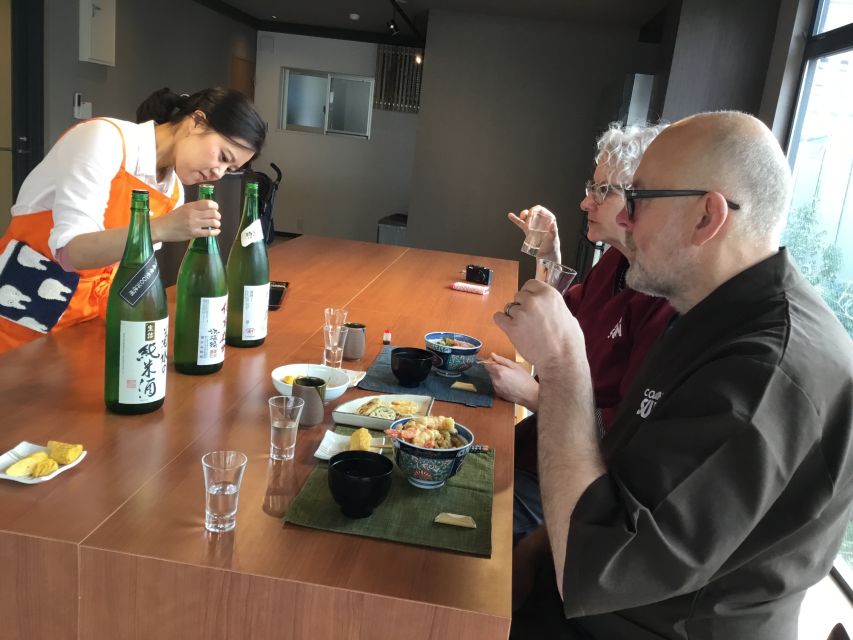
Sake tasting is optional and includes three different types. That makes it a useful choice for adults who want a short introduction rather than a full sake lesson. If you do not drink alcohol, it is not essential to the tour. The core experience remains the market walk and cooking class.
Choosing between three donburi dishes
The cooking class centers on donburi, a Japanese bowl meal served over rice. You choose one of three styles:
- Kaisen-don: A seafood bowl, generally the best choice if you want the market’s fish and seafood to take center stage.
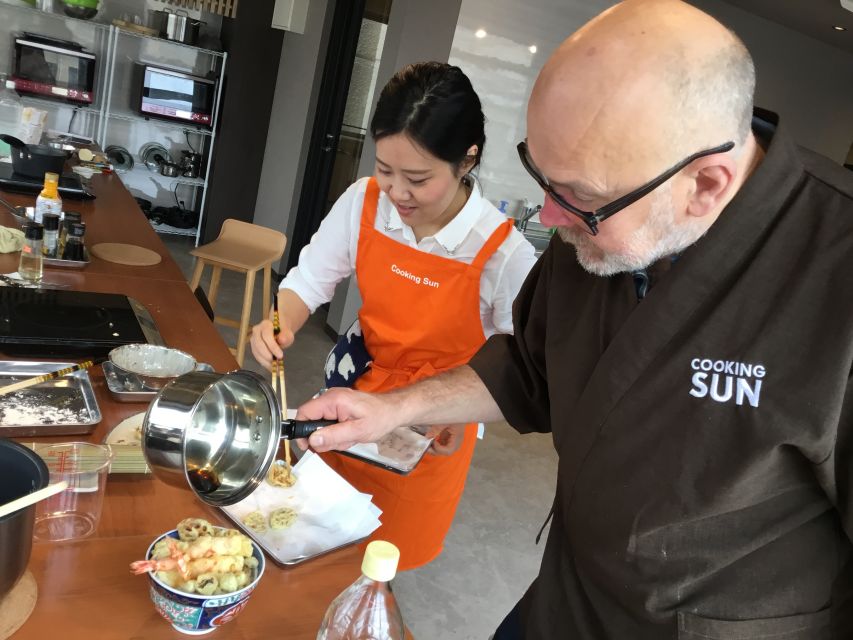
- Ten-don: A tempura bowl, suited to anyone who wants a hands-on cooking task and the crisp texture of fried ingredients.
- Oyako-don: A chicken-and-egg bowl, a comforting option and a practical dish to recreate at home.
The private setup means members of the same group may be able to choose different dishes. That is especially useful for families or couples with different tastes. One group prepared all three options, while another arranged a substitution from chicken to tofu. Special requests are possible, but you should raise them early rather than assume every ingredient can be changed.
The seafood choice deserves a realistic note. Ingredients are included, but market quality can vary by the day and by the particular item selected. One diner felt the fatty tuna was not very good. That does not undermine the class, but it is a reminder that a cooking lesson is not the same as ordering the most polished dish at a restaurant.
From market stalls to the cooking studio
After the market visit, the tour includes a taxi ride to the cooking studio. The taxi cost is covered, which keeps the transition simple and saves you from trying to navigate to a second location while carrying market purchases.
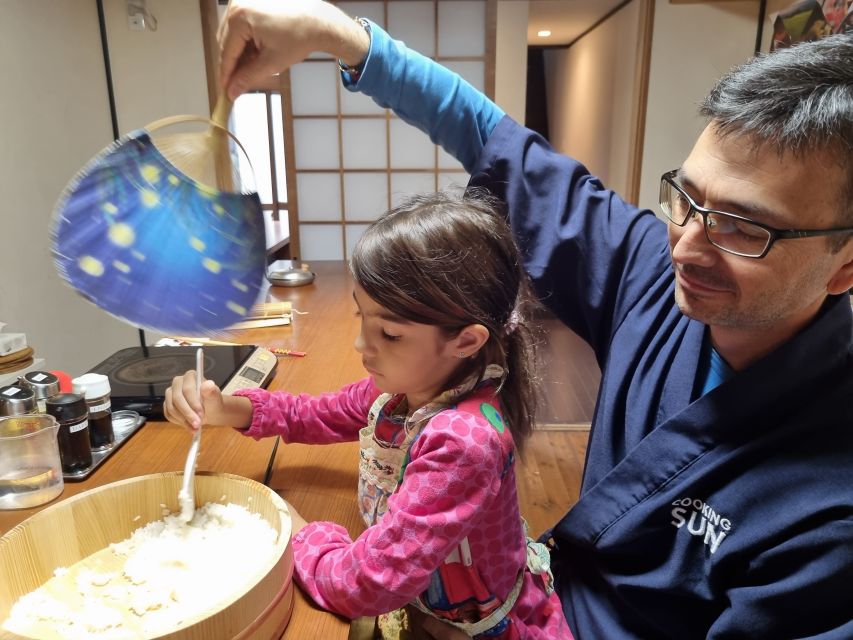
The studio is described as clean, well stocked, cozy, and designed for cooking classes. You begin preparing the food soon after arrival, rather than spending a long time waiting for a demonstration. The instructor talks you through each step and also covers details that help at home, such as sauces, brands, presentation, and how to make the finished bowl look appealing.
This is not only a recipe-following exercise. You learn how dashi fits into Japanese cooking, how ingredients are combined, and how small finishing choices affect the dish. If you already cook regularly, you will still find useful details about seasoning and presentation. If you rarely cook, the class gives you a manageable recipe rather than an intimidating restaurant-style project.
The pace is flexible because the group is private. Ask questions as you go. You can request explanations about a sauce, ask why a method is used, or check how to replace an ingredient at home. The guide is there as both market interpreter and cooking teacher, so the conversation can move from the stall you just visited to the food now in your pan.
More Street Food Market Tours in Japan
- Kyoto: Nishiki Market Tea Ceremony with Koto Performance
★ 4.8 · 294 reviews - Kyoto: Local Food Tasting Tour at the Nishiki Market
★ 4.7 · 135 reviews - Kyoto: Nishiki Market and Depachika Food Tour with a Local
★ 4.7 · 76 reviews - Kyoto: Nishiki Market Tour with a Local Foodie & Tastings
★ 4.5 · 67 reviews
Is the two-and-a-half-hour schedule enough?
The full experience lasts 150 minutes. In ordinary conditions, allow about an hour for Nishiki Market and about an hour for cooking and eating, with the transfer between them included in the overall schedule.
That is enough for a focused introduction, not a leisurely day at the market. You will see selected stalls, taste a few foods, make your meal, and eat it soon after. If you want to browse every side lane or do serious shopping, plan to return on your own.
This distinction is important. The tour teaches you how to read Nishiki Market, but it cannot give you unlimited time to shop. One useful strategy is to note the shops and products you like during the tour, then come back later without the pressure of keeping up with the group. The guide can help you identify where to return.
The cooking class also benefits from the time limit. You do not spend the whole afternoon on a single bowl, but you get enough time to participate at each stage and sit down to enjoy the result. Families with children may appreciate that the activities change often enough to hold attention.
How private guiding changes the experience
A private group is the strongest feature here. Instead of following a fixed public group, you can ask questions whenever something catches your eye. You can also tell the guide if you are more interested in pickles, seafood, sauces, vegetarian substitutions, or cooking methods.
English is the working language, and the guides have been praised for clear instruction and warm, attentive teaching. Named instructors connected with the experience include Chie, Momo, and Mio. Your assigned guide may differ, but the format remains the same: an English-speaking local guide leads the market walk and the cooking session.
Private does not mean every request can be guaranteed. Market availability controls the ingredients, and the guide may need to keep the route moving if the arcade is crowded. Still, a private booking gives you far more room to shape the experience than a large shared class.
This is also a good way to make the market less intimidating. Japanese food labels can be hard to decode, and some stalls may not have English information. Having someone translate a question or explain a product turns a quick glance into a useful lesson.
Value at $109 per person
At $109 per person, this is not the cheapest way to eat at Nishiki Market. You could buy snacks for less, and a simple bowl at a restaurant may cost less than the tour price.
The value comes from the combined package. You receive a private guide, market tastings, ingredients, a recipe, the cooking instruction, your meal, and the taxi to the studio. You also get help choosing foods and understanding customs, which is more useful than simply being led from one tasting to the next.
For a couple, family, or small group interested in Japanese food, the price is easier to justify because everyone participates. You are not only watching a chef prepare lunch. You are selecting ingredients, learning methods, and leaving with a recipe you can use at home.
The calculation is less favorable if you mainly want to browse Nishiki or eat as much as possible. Extra market purchases are not included, and the planned tastings are limited. Book it for the teaching and access, not as a bargain meal.
Free cancellation up to 24 hours before the start and reserve-now, pay-later terms reduce the risk of fitting it into a changing Kyoto schedule. Still, check the starting time carefully so it works with other plans. The 150-minute length is fixed enough that a late start could affect the cooking portion.
Best for families, cooks, and curious eaters
Families are a good match for this activity. Children can help with preparation, see where ingredients come from, and eat a meal they helped make. The class has been adapted to different interests, and the hands-on steps keep the experience moving.
It also suits home cooks. You will hear about sauces, ingredient brands, dashi, presentation, and substitutions. The food is approachable enough to repeat after returning home, and the recipe gives you a practical reminder of the process.
Food-focused visitors who want context will get more from this than someone simply looking for a market snack crawl. The guide explains why individual shops are known for particular products and how market etiquette works. You come away with a better sense of Kyoto’s ingredients, not just a full stomach.
I would be more cautious about booking if your main goal is extensive shopping or a long, slow market wander. The hour inside Nishiki is structured, and busy conditions may limit how long you can stop. In that case, treat the tour as an introduction and reserve a separate visit for shopping.
Practical details before you book
Meet at the western entrance of Nishiki Market. Wear comfortable shoes, since you will spend roughly an hour standing and walking before moving to the kitchen.
The tour is private and conducted in English. Ingredients for the donburi, sample foods, recipe, and taxi from the market to the studio are included. Personal purchases and extra food are not.
If you have a dietary preference or want to request a substitution, mention it when arranging the tour. A tofu substitution has been accommodated before, but the available choices depend on the day’s ingredients and the cooking plan.
The optional sake tasting is separate from the main appeal. It is worth considering if you want to compare three styles, but it is easy to skip without losing the market or cooking experience.
Should you book the Nishiki Market Food Tour?
Book this if you want Nishiki Market explained rather than merely visited. The best parts are the private questions, the translation help, the etiquette advice, and the satisfying link between shopping and cooking your own lunch.
I would especially recommend it for families, first-time visitors to Kyoto, and home cooks who want a recipe they can repeat. Choose it with realistic expectations: the market portion is focused, tastings are limited, and ingredient quality can vary.
If you want an easy, personal introduction to Kyoto food culture with a meal at the end, $109 is a fair price for what is included. If you want unlimited browsing or the cheapest possible lunch, spend less and visit Nishiki on your own.
FAQ
Where does the tour meet?
The meeting point is at the western side entrance of Nishiki Market.
How long does the experience last?
The experience lasts 150 minutes, or two and a half hours.
Which donburi dishes can I choose?
You can choose kaisen-don with seafood, ten-don with tempura, or oyako-don with chicken and egg.
Is the cooking class conducted in English?
Yes. The guide and instructor use English, and English is the listed tour language.
Are ingredients and transportation included?
The ingredients for the donburi, recipe, sample tastings, and taxi cost from the market to the cooking studio are included. Food you buy for yourself is not included.
Can I cancel the booking?
You can cancel up to 24 hours in advance for a full refund. The reserve-now, pay-later option lets you book without paying immediately.
More Market Food Tours in Kyoto
- Tokyo Tsukiji Fish Market Food and Culture Walking Tour
★ 5.0 · 3,184 reviews - Phuket: Full Day City Tour with Night Market
★ 4.5 · 2,888 reviews - London Bridge & Borough Market Food Tour with 7 Authentic Dishes
★ 5.0 · 1,972 reviews - Tokyo: Tsukiji Fish Market Food and Walking tour
★ 5.0 · 1,724 reviews
More Street Food Market Tours in Kyoto
- Golden Pavilion, Nijo Castle, & Nishiki Market Half day tour
★ 5.0 · 29 reviews - Kyoto: Nishiki Market Food Tour
★ 4.9 · 21 reviews - Taste of Nishiki Market Walking Food Tour with Local guide
★ 5.0 · 17 reviews - Kyoto: Nishiki Market Food Tour with Local Guide
★ 4.6 · 5 reviews
Just added around Kyoto
- Taste of Nishiki Market Walking Food Tour with Local guide★ 5.0 · 17 reviews
- Kyoto: Nishiki Market Tour with a Local Foodie & Tastings★ 4.5 · 67 reviews
- Golden Pavilion, Nijo Castle, & Nishiki Market Half day tour★ 5.0 · 29 reviews
- Kyoto:Seasonal Kaiseki Reservation at Hanasaki Nishiki★ 5.0 · 3 reviews
- Kyoto: Hands-on Takoyaki and Okonomiyaki Cooking (1 Hour)★ 4.7 · 25 reviews
- Kyoto: Nishiki Market Food Tour with Local Guide★ 4.6 · 5 reviews
- Kyoto: Guided Local Food Tour with 13 dishes★ 5.0 · 3 reviews
- Kyoto: Nishiki Market and Depachika Food Tour with a Local★ 4.7 · 76 reviews
Kyoto Street Food Tours, compared.
Nishiki Market Brunch Walking Tour (7 Tastings + Brunch)
Read our review →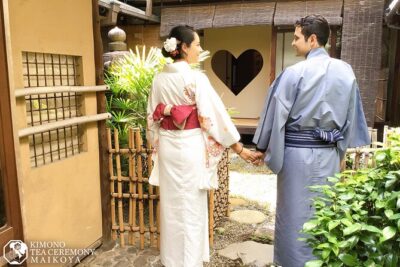
Kyoto Nishiki Market Food and Culture Walking Tour
Read our review →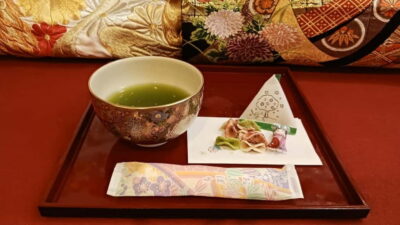
Kyoto: Nishiki Market Tea Ceremony with Koto Performance
Read our review →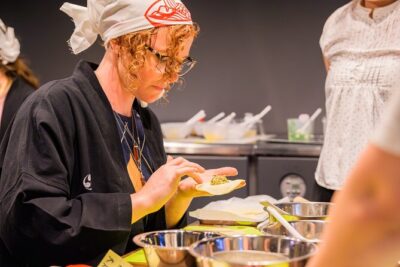
Gyoza Cooking Class in Kyoto: Traditional Japanese Dumplings
Read our review →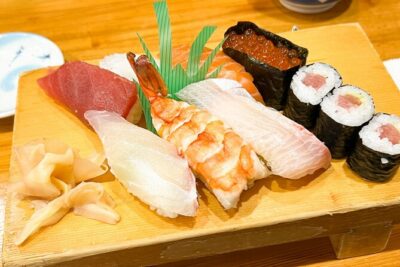
Kyoto: Local Food Tasting Tour at the Nishiki Market
Read our review →