
REVIEW · TOKYO STREET FOOD TOURS
Takoyaki cooking experience in Kabukicho, Shinjuku
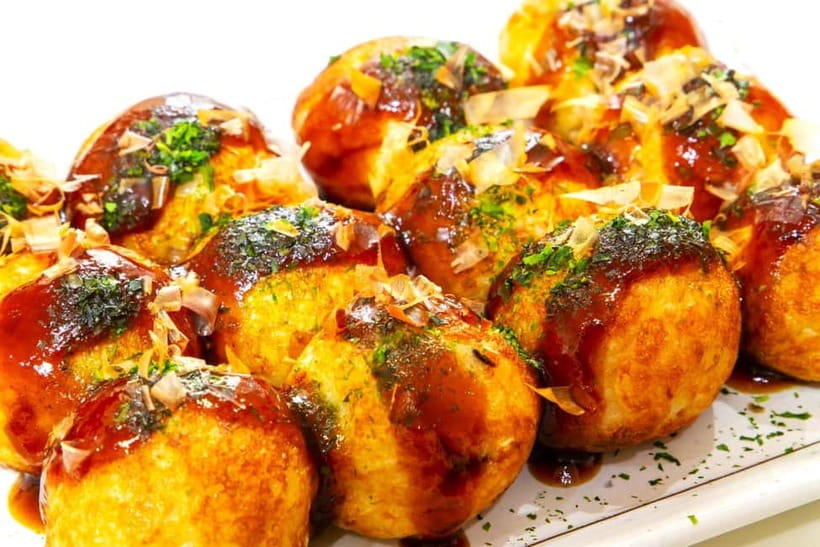
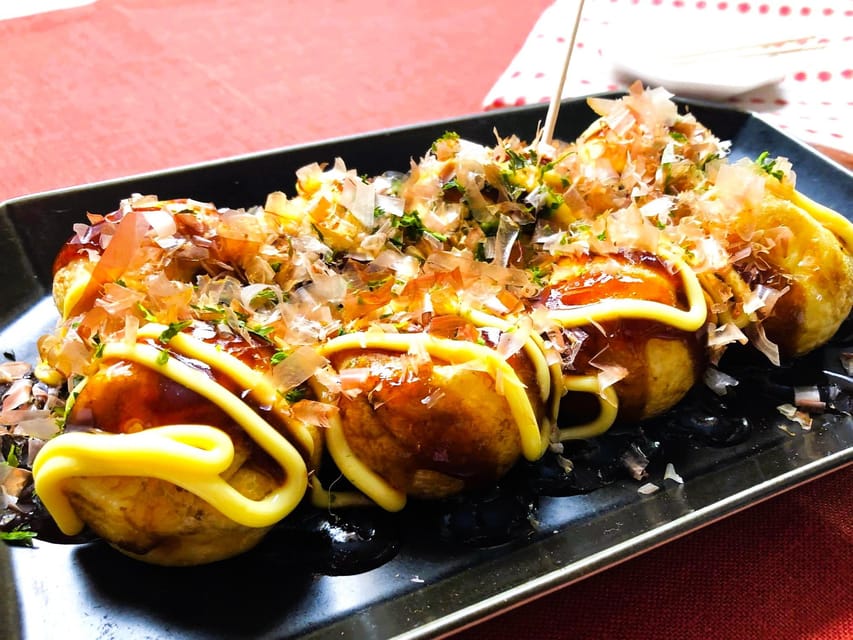
Takoyaki is one of Japan’s most approachable foods, but making it well takes a little wrist work. In this one-hour Kabukicho class, you pour batter into a round griddle, add chopped octopus, and turn each piece until it becomes a hot, fluffy ball. Then you eat what you made, dressed with sauce, mayonnaise, bonito flakes, and aonori.
I like the small group of six or fewer, which gives you room to ask questions and get help with the tricky turning. I also like the easy location, just five minutes from Shinjuku Station and close to the Godzilla head at TOHO Cinemas. The main consideration is that the class uses wheat flour, so it is not suitable for anyone with gluten intolerance, and the food is served very hot.
Key points at a glance
- Make the takoyaki yourself: You handle the batter, octopus, griddle, turning, and toppings rather than simply watching a demonstration.
- A small Kabukicho class: The group is limited to six participants, allowing for more personal help.
- Friendly named instructors: Chihiro, Shuma, Koi, Kai, and Sakiko have all led sessions, with English and Japanese support available.
- A ready-made meal is included: You cook and eat the takoyaki during the one-hour experience.
- Easy Shinjuku location: Find the restaurant on Kabukicho Central Road, near Karaoke 747 and five minutes from JR Shinjuku Station.
- Good for families with older children: Children under four cannot join, and staff have helped families keep children safe around the cooking equipment.
Making Japan’s roundest comfort food
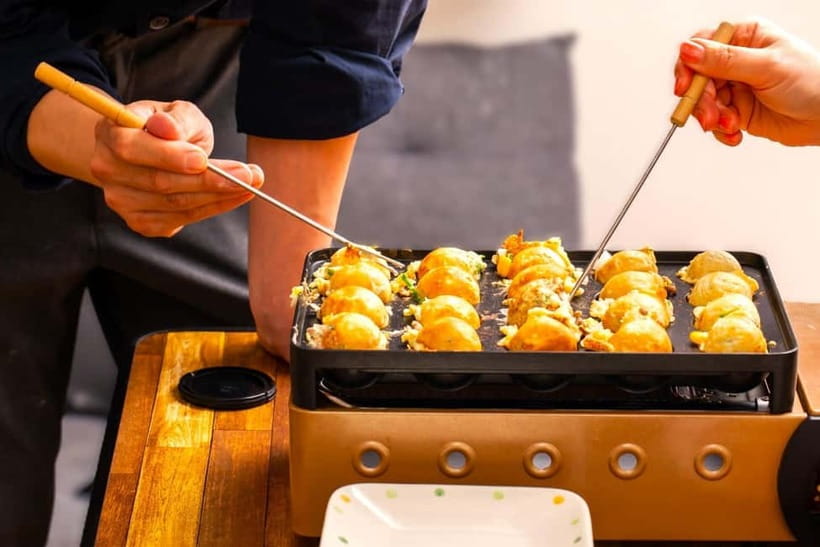
Takoyaki is simple in concept. A cook pours a thin batter into the holes of a hot griddle, adds octopus, and keeps turning the mixture until each portion forms a ball. The result is crisp on the outside and soft inside, with a savory center that pairs well with beer.
The simplicity is part of the appeal. You do not need to know much about Japanese food to take part, and you do not need advanced cooking skills. The class gives you a hands-on way to understand a food you may have already seen at festivals, food halls, or casual restaurants.
I especially like that the meal is not separate from the activity. You are not just learning a recipe and then leaving. The takoyaki you make becomes the meal at the end, which makes the hour feel purposeful and relaxed.
The catch is heat. Takoyaki comes off the griddle piping hot, and the cooking surface requires care. This is not a class where you can switch off and let someone else handle everything. That hands-on work is the point, but it also means young children need close attention.
More Cooking Classes in Tokyo:
- Tokyo: Tsukiji Market Walking Tour & Sushi Cooking Class
★ 4.6 · 122 reviews - Tokyo: Real Ramen & Dumpling Cooking with Master Chef
★ 5.0 · 10 reviews - Small Group Cooking Class & Market Food Tour in Florence
★ 5.0 · 1,574 reviews
What happens during the one-hour class
The experience begins when you arrive at the restaurant and tell the staff about your reservation. From there, the class moves into the cooking itself. The supplied details do not set out a minute-by-minute schedule, so you should expect a compact session rather than a long formal lesson.
The core process is clear:
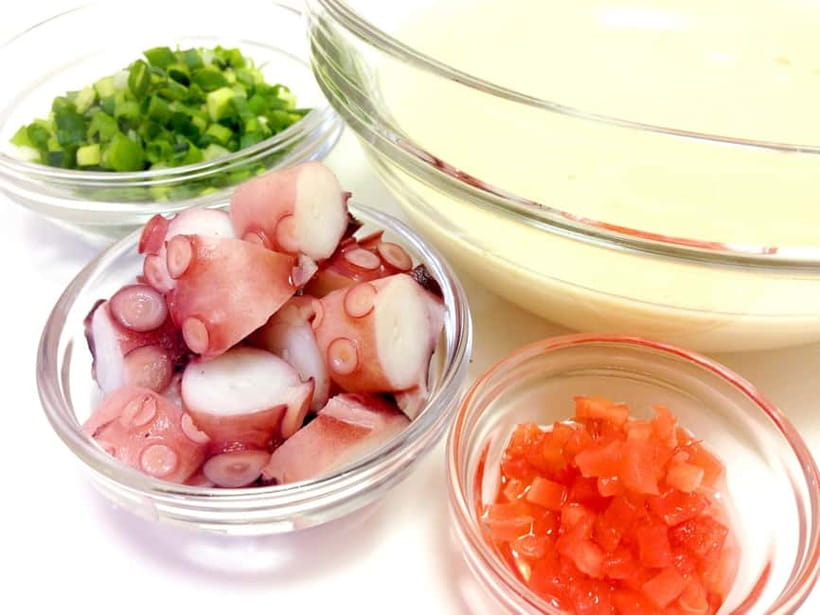
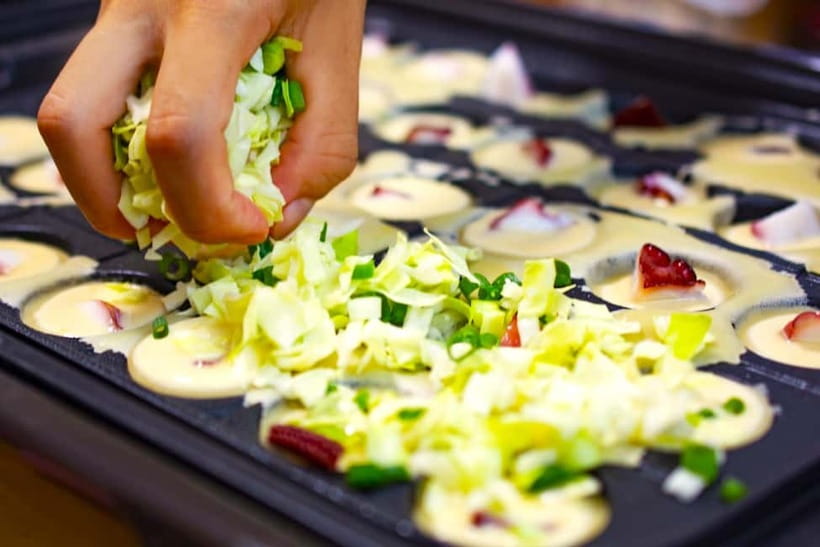
- Batter made from flour, water, and eggs goes into the round openings.
- Chopped octopus is placed inside.
- The portions cook until they can be turned and shaped.
- The finished takoyaki is served hot.
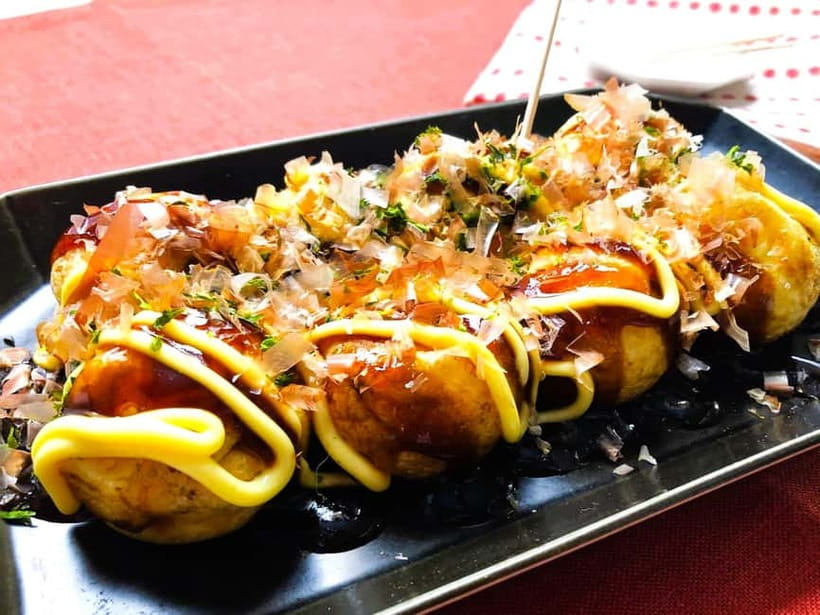
- You add familiar toppings such as sauce, mayonnaise, dried bonito flakes, and aonori.
The turning is the part that gives the class its value. Takoyaki looks easy when a practiced cook flips it quickly, but shaping the balls takes timing and control. You may need help at first, and that is exactly where the small group matters.
Several instructors named in the feedback include Chihiro, Shuma, Koi, Kai, and Sakiko. You are not guaranteed a particular instructor, but the range of names suggests that the class is run by a team rather than a single host. English and Japanese are offered, and if your staff member is not fluent in English, a translation machine is used.
That arrangement should work for basic instruction and simple conversation. You should not book this expecting a long English-language lecture about Japanese cuisine. Instead, expect practical guidance as you cook, with the possibility of casual conversation about Japan, food, or even your own Japanese practice.
Why the small group matters
A maximum of six participants is a useful size for a cooking class. You are close enough to see what is happening, and the instructor has a reasonable chance to notice when a piece needs turning or when the batter needs attention.
That matters more here than it would in a simple tasting. Takoyaki changes quickly on the griddle. Leave it too long in one position and the outside can cook unevenly. Turn it too early and the ball may not hold its shape.
The small-group format also suits solo visitors and couples who want a social activity without joining a large class. It can work for families as well. One family with two children received careful attention from the staff, including help keeping the children safe during the cooking.
I would still treat the age limit seriously. Children under four cannot take part, and the hot griddle means older children should remain supervised. The activity is suitable for children who can follow simple instructions and stay near the cooking station.
The food: crisp edges, soft centers, and strong toppings
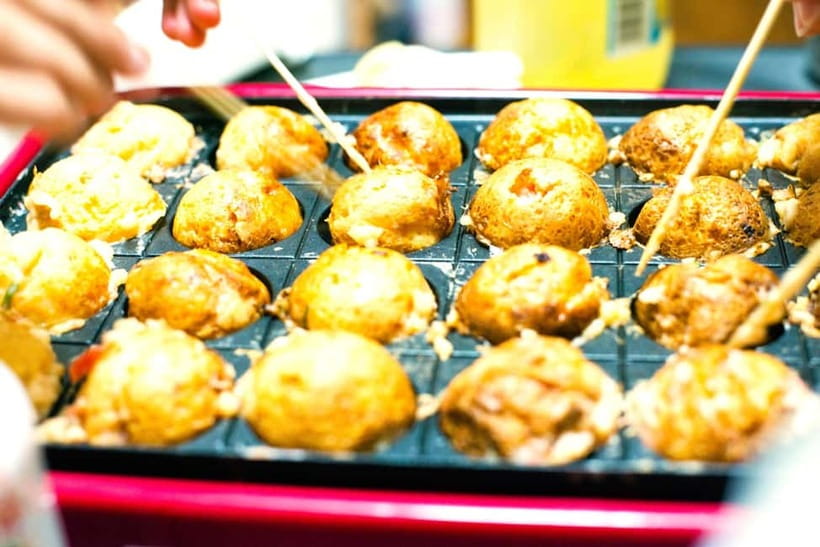
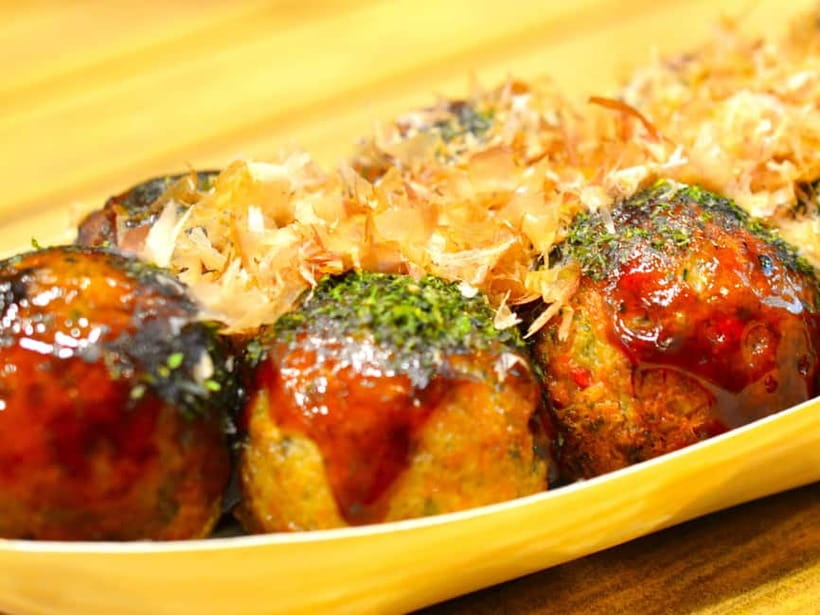
The finished takoyaki is meant to have contrast. The outside becomes lightly crisp, while the inside stays soft and fluffy. The octopus gives the center a chewy texture, and the toppings bring salt, sweetness, savoriness, and a little seaweed flavor.
The basic topping combination includes sauce, mayonnaise, dried bonito flakes, and aonori. The bonito flakes can appear to move from the heat, which is a familiar and fun detail when the plate arrives. You eat the takoyaki hot, but give it a moment before taking a large bite.
The food is filling enough to count as the included meal, but the package does not include bottled drinks, extra food, or additional drinks. If you want beer or another beverage, budget for it separately. Takoyaki is often paired with beer, so this can be a pleasant option for adults, but the listed price covers the cooking experience and meal, not every item you might order.
The menu is not designed for gluten-free dining. Anyone with gluten intolerance should skip this experience because the batter uses flour. The information provided does not list substitutions, so do not assume the recipe can be changed.
Same city, a different plate:
- Tokyo Tsukiji Fish Market Food and Culture Walking Tour
★ 5.0 · 3,184 reviews - Tokyo: Tsukiji Fish Market Food and Walking tour
★ 5.0 · 1,724 reviews - Tokyo: Tsukiji Fish Market Guided Walking Tour
★ 4.9 · 1,397 reviews - Tokyo Sushi Making Class in Tsukiji with Professional Chef
★ 5.0 · 1,177 reviews
A useful stop in Kabukicho
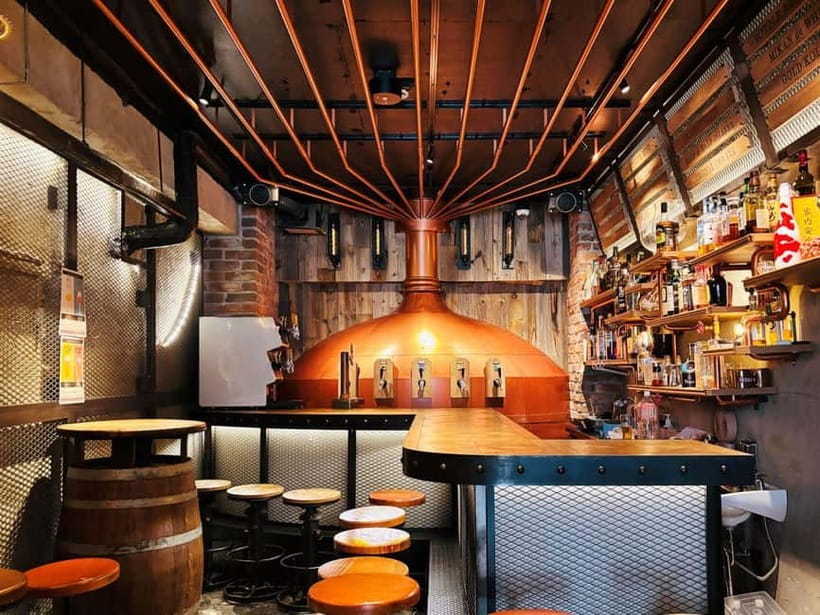
The class is in Kabukicho, one of Shinjuku’s best-known entertainment areas. You do not need a separate sightseeing plan to reach it. From JR Shinjuku Station, allow about five minutes on foot.
The directions are specific. Follow Kabukicho Central Road toward TOHO Cinemas. Before reaching the end, look for Shinjuku Ale beside Karaoke 747 on the right. The address is 1-14-5 Kabukicho, Shinjuku-ku, Tokyo, and the Google Plus Code is MPV2+VR Shinjuku City, Tokyo.
This location works well in a busy Tokyo schedule. You can fit the class between shopping, department stores, nightlife, or a visit to the Godzilla head near TOHO Cinemas. One participant specifically appreciated how close the class is to Godzilla for photos afterward.
I recommend checking the route before you set off. Kabukicho has many signs, businesses, and side streets, and a nearby landmark can be more useful than relying only on the restaurant name. Once inside, tell the staff about your reservation so they can place you in the experience.
How much value do you get for $25?
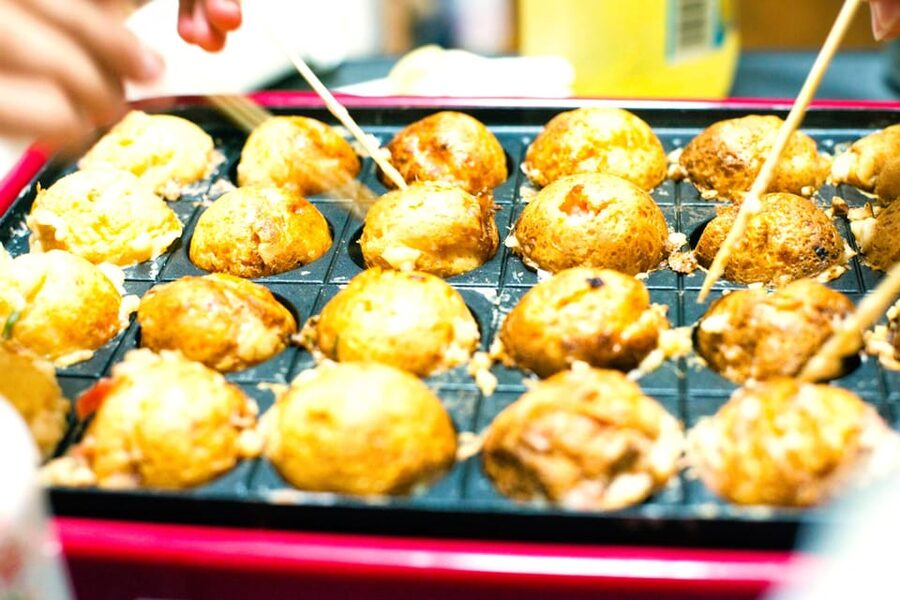
At $25 per person, the price is reasonable for a one-hour activity that includes both instruction and a meal. You are paying for more than a plate of takoyaki. You are getting access to the griddle, ingredients, staff guidance, and the chance to practice a Japanese dish yourself.
The value is strongest if you enjoy participation. If you only want to eat takoyaki, a casual restaurant will be faster and may cost less. If you want a short cultural activity that fits neatly into a day in Shinjuku, this class offers more.
The small group helps justify the cost. A large demonstration would give you less time with the food and less help with shaping the balls. Here, the point is not simply to watch someone cook. You get to make the meal and then eat it.
There are also no transportation expenses included, but the central location keeps that cost simple. If you are already in Shinjuku, you can walk from the station. If you are coming from another part of Tokyo, you will need to pay your own fare to reach the meeting point.
The booking terms add flexibility. You can cancel up to 24 hours in advance for a full refund, and you can reserve now and pay later. Starting times vary, so you need to check availability for your date.
The people side of the experience
The cooking is the main event, but the staff interaction is an important part of the hour. Chihiro, Shuma, Koi, Kai, and Sakiko are among the instructors associated with recent sessions. Sakiko was described as creating the feeling of cooking with a friend while having a drink, which gives you a good sense of the intended tone.
You should expect a relaxed class rather than a formal culinary school. Staff help with the technique, answer questions, and may chat with you while the takoyaki cooks. One session included conversation about Japanese culture and practice with basic Japanese phrases.
English ability can vary by staff member. Some instructors speak good English, while others may rely on a translation machine. That is worth knowing if you want detailed culinary explanations. For the practical steps, the visual nature of the cooking should help, but you should keep your questions clear and simple.
The strongest praise has focused on the instructors being friendly, supportive, and attentive. That matters in a class where the first few takoyaki balls may not look perfect. You can expect encouragement rather than pressure to produce restaurant-quality food immediately.
Who should book this class?
I would recommend it to first-time visitors who want an activity connected to everyday Japanese food. Takoyaki is familiar enough to be approachable, but the cooking technique gives you something to learn.
It also suits:
- Couples looking for a short shared activity in Shinjuku
- Solo visitors who enjoy meeting a small group and chatting with staff
- Families with children aged four and older
- Anyone interested in Japanese comfort food
- Visitors with a free hour before or after sightseeing around Kabukicho
It is less suitable for anyone with gluten intolerance, anyone seeking a long cooking workshop, or anyone who prefers a quiet meal with no participation. It may also disappoint people who want a fully guided English lecture, since language support can depend on the staff member present.
You should also decide how comfortable you are around a hot griddle. The class is not difficult, but you need to pay attention while cooking and eating.
Practical details before you go
The experience lasts about one hour, and the end comes when you finish eating the takoyaki. That makes it easy to schedule, but do not add a tight connection immediately afterward. Walking through Kabukicho, finding the restaurant, and getting settled can take extra minutes.
The group is limited to six people. Tell the staff about your reservation when you arrive. The listed languages are English and Japanese, with translation-machine support available when needed.
The $25 price includes the takoyaki cooking experience and meal. It does not include bottled drinks, extra meals, additional drinks, or your transportation to the meeting point.
Children under four cannot join. People with gluten intolerance should not book. The activity has free cancellation up to 24 hours before the scheduled time, and the reserve-now, pay-later option can help if your Tokyo plans are still changing.
Should you book the Kabukicho takoyaki experience?
Book it if you want a short, hands-on food activity near central Shinjuku. The best reasons are the small group, the included meal, the friendly staff, and the chance to turn a familiar Japanese snack into something you made yourself.
Skip it if you only want to eat takoyaki, need a gluten-free meal, or are looking for an advanced cooking course. For families, check that every child is at least four and able to follow instructions around hot equipment.
For most visitors with an open hour in Kabukicho, $25 is a fair price. You get food, a simple cultural lesson, and a convenient stop close to Godzilla and TOHO Cinemas. Just arrive ready to cook, not simply watch.
FAQ
How long does the takoyaki cooking experience last?
The experience lasts about one hour and ends when you finish eating the takoyaki.
Where does the class meet?
It meets at 1-14-5 Kabukicho, Shinjuku-ku, Tokyo. The restaurant is about five minutes from JR Shinjuku Station, along Kabukicho Central Road toward TOHO Cinemas, beside Shinjuku Ale and Karaoke 747.
What is included in the price?
The price includes the takoyaki cooking experience and the meal you make.
Are drinks included?
No. Bottled drinks, additional drinks, and extra meals are not included.
Is the class available in English?
English and Japanese are available. If the staff member assisting you is not fluent in English, a translation machine is used.
How many people can join the class?
The group is limited to six participants.
Can children take part?
Children can join if they are at least four years old. Children under four are not suitable for this activity.
Is the experience suitable for people with gluten intolerance?
No. The activity is not suitable for people with gluten intolerance because the takoyaki batter uses flour.
Can I cancel for a refund?
Yes. You can cancel up to 24 hours in advance for a full refund. You can also reserve now and pay later.
Just added around Tokyo
- Tokyo: Tsukiji walk & sushi private tour with Uni Students★ 5.0 · 17 reviews
- Tokyo: Private Tsukiji Street Food & Sake with Local Guide★ 5.0 · 3 reviews
- Tokyo: Tsukiji Market Guided Tour & Sushi-Making Experience★ 4.4 · 11 reviews
- Tokyo: Tsukiji Market and Hama-rikyu Gardens Guided Tour★ 4.8 · 73 reviews
- Tokyo Tsukiji Food & Culture Private Tour Licensed Guide★ 4.9 · 28 reviews
- Tokyo: Tsukiji Fish Market Foodie and Educational Tour★ 5.0 · 4 reviews
- Tokyo: Tsukiji Fish Market Culture Tour with Sashimi Tasting★ 4.6 · 54 reviews
- Tokyo: Tsukiji, Ginza, and Asakusa Japanese Culture Tour★ 5.0 · 2 reviews
Tokyo Street Food Tours, compared.
Tokyo Tsukiji Fish Market Food and Culture Walking Tour
Read our review →
Tokyo: Tsukiji Fish Market Food and Walking tour
Read our review →
Tokyo: Tsukiji Fish Market Guided Walking Tour
Read our review →
Tokyo Sushi Making Class in Tsukiji with Professional Chef
Read our review →
Tsukiji Fish Market Guided Tour and Sushi Making with Pro Chef
Read our review →Tokyo: Tsukiji Fish Market Food and Culture Walking Tour
Read our review →
Tsukiji Fish Market: Street Food & Culture Walking Tour
Read our review →
Tsukiji Fish Market Small-Group Food Walking Tour
Read our review →Browse the lists this tour appears in