REVIEW · TOKYO STREET FOOD TOURS
Tokyo Tsukiji Fish Market Food Tour: 15 Stops & Walk Local Street
Tsukiji is best understood on foot, one small bite and one side street at a time. This 2 to 3-hour walk links Tsukiji Hongwanji Temple, the outer market, a mini wholesale fish market, and Namiyoke Inari Shrine, with a Japanese guide explaining food customs along the way.
I like the small-group limit of 15 and the chance to ask direct questions about sushi etiquette, seafood, and local customs. I also like that photos are taken during the walk and sent afterward, which lets you pay attention instead of constantly reaching for your phone.
The main caution is the food wording. The description promises tastings, but the included and not-included sections conflict, and one guest booked expecting food without receiving it. At $80, confirm before booking exactly which tastings, if any, are covered.
Key points to know before you book
- Four named areas make up the route: Hongwanji Temple, Tsukiji Jogai Market, a mini wholesale fish market, and Namiyoke Inari Shrine.
- The market portion takes about 90 minutes, giving you the most time for food advice, browsing, and questions.
- Food inclusion needs checking: the description mentions tastings, while the cost details say food is not included.
- Sakura is one guide named in the feedback, and her explanations cover sushi etiquette and Japanese dining customs.
- The group is capped at 15, though cancellations can sometimes leave you with a smaller outing.
- The walk begins and ends at Tsukiji Hongwanji Temple, with no hotel pickup or transport to the meeting point.
Why Tsukiji works well as a guided food walk
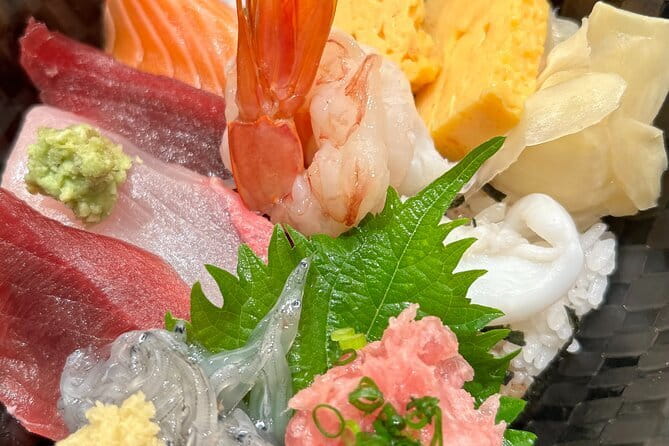
Tsukiji is not simply one fish hall. The famous inner wholesale market moved to Toyosu, while the Tsukiji area remains a useful place to see food shops, seafood sellers, small wholesale businesses, prepared food, and shrines tied to the district’s working identity.
That distinction matters. If you arrive expecting the old, giant auction floor, this is not that experience. The route focuses on Tsukiji’s outer market and nearby streets, where you can walk among more than 400 shops and see a wide range of seafood and food-related businesses.
I like the format because you are not left to guess what each shop sells or how to behave around vendors. A guide can explain local eating habits, sushi manners, and the place of seafood in Japanese food culture while you move between stops.
The tour is listed at $80 per person and takes roughly two to three hours. That is a fair price only if the food tastings are clearly included or if you place a high value on personal guidance, cultural explanation, and the small group. If you are paying mainly for lunch, you need to settle the food question first.
More Fish Market and Seafood Tours in Tokyo
- Tokyo Tsukiji Fish Market Food and Culture Walking Tour
★ 5.0 · 3,184 reviews - Tokyo: Tsukiji Fish Market Food and Walking tour
★ 5.0 · 1,724 reviews - Tokyo: Tsukiji Fish Market Guided Walking Tour
★ 4.9 · 1,397 reviews
Starting at Tsukiji Hongwanji Temple
The meeting point is in front of Tsukiji Hongwanji Temple at 3-chōme-15-1 Tsukiji, Chuo City. This is a practical starting point because the temple gives you a calm landmark before the market streets become crowded with shops, signs, and food choices.
The temple visit lasts about 15 minutes, and admission is free. You should not expect a long religious tour. Instead, this opening stop gives your guide a place to explain the setting and introduce some of the customs that will matter later when you eat or browse.
I like beginning here because it prevents the experience from becoming a simple snack crawl. You get a little context before the food stops begin, and the guide can set expectations for respectful behavior at religious sites and in a working market.
The meeting point is near public transportation, but transport to it is your responsibility. Build in enough time to find the temple entrance, particularly if you are arriving in Tokyo for the first time and still adjusting to station exits and street signs.
Tsukiji Jogai Market: the heart of the walk
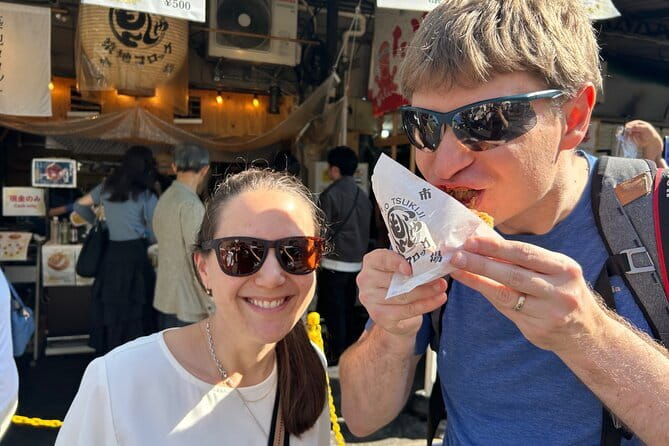
The tour then spends about 90 minutes in Tsukiji Jogai Market, the outer shopping district with more than 400 shops. This is the main event, and it is where the guide’s value becomes easiest to judge.
You may see shops selling fish, seafood, cooking ingredients, prepared foods, and other items connected to Japanese food culture. The exact shops and tasting choices can change, so it is better to think of this as a guided introduction to the district rather than a fixed restaurant meal.
The description refers to trying foods such as sushi or Japanese oysters. Yet the cost details say food is not included, and one booking ended with the guest paying for a tour that did not provide the expected tastings. That is a serious point, not a minor technicality.
Before you book, ask Fuji Tour through the available contact method what the $80 covers. Ask specifically whether sushi, oysters, or other food samples are paid for by the company, and whether you should bring extra money for every tasting. The safest assumption is that personal food purchases may be extra unless the provider confirms otherwise.
If you enjoy choosing what to eat, this uncertainty may not bother you. You can follow the guide’s suggestions, buy only what appeals to you, and treat the walk as a food-focused orientation. If you want a prepaid tasting menu, get a clear answer first.
The market portion is also where group size matters. A cap of 15 is small enough for a guide to explain things without using a microphone, but it is not a private tour. You may need to stay close and wait while others stop at a shop.
One useful detail from the feedback is that a holiday closure did not end the experience. The guide changed the plan and still arranged a pleasant market visit and lunch. That suggests some flexibility, which is valuable in a district where individual shops may close for holidays or change hours.
Seeing the mini wholesale fish market
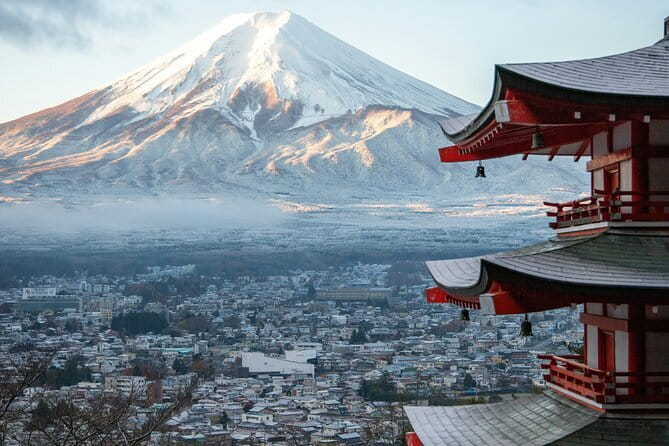
The route includes about 30 minutes near a mini wholesale market, where you can see many kinds of fresh fish. This is not presented as a long auction visit or a behind-the-scenes seafood operation. It is a chance to look at the working side of Tsukiji and understand how much variety passes through the area.
This stop adds useful contrast to the retail streets. In the outer market, you are focused on buying and eating. Near the wholesale businesses, you can pay more attention to the fish itself, the scale of the selection, and the practical work behind Japanese seafood meals.
Your guide’s explanation is important here because a quick walk past fish counters can otherwise blur into a row of unfamiliar products. The tour promises explanations about food, etiquette, culture, and history, so use this time to ask questions about what you are seeing.
The drawback is that 30 minutes is brief. You should not expect a detailed seafood course or a long technical explanation of every fish. Still, it is enough time to add working-market context to the shopping street.
More Street Food Market Tours in Japan
- Tsukiji Fish Market Guided Tour and Sushi Making with Pro Chef
★ 5.0 · 775 reviews - Tokyo: Tsukiji Fish Market Food and Culture Walking Tour
★ 4.7 · 757 reviews - Tsukiji Fish Market: Street Food & Culture Walking Tour
★ 5.0 · 669 reviews - Tsukiji Fish Market Small-Group Food Walking Tour
★ 5.0 · 621 reviews
Namiyoke Inari Shrine and Tsukiji’s protective spirit
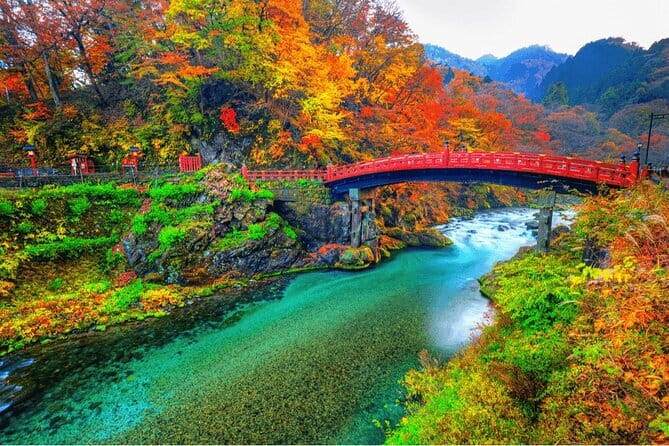
The final named stop is Namiyoke Inari Shrine, visited for about 15 minutes. The shrine is associated with Namiyoke Inari, a deity described as warding off disasters and weathering the waves.
That connection fits Tsukiji. Seafood work depends on the sea, and the shrine gives the guide another way to connect daily food commerce with belief, risk, and local tradition. You are not only moving from one snack counter to another. You are seeing how religious places sit beside a food district and remain part of its identity.
Admission is free, and the stop is short. Consider it a compact cultural finish rather than a major sightseeing visit. If you enjoy learning how local belief connects to work and community life, this part will add meaning to the market walk.
The activity ends back at the original meeting point. That makes the route easy to combine with the rest of your day, since you are not left on the opposite side of Tokyo looking for your hotel or the next attraction.
What the guide adds to the experience
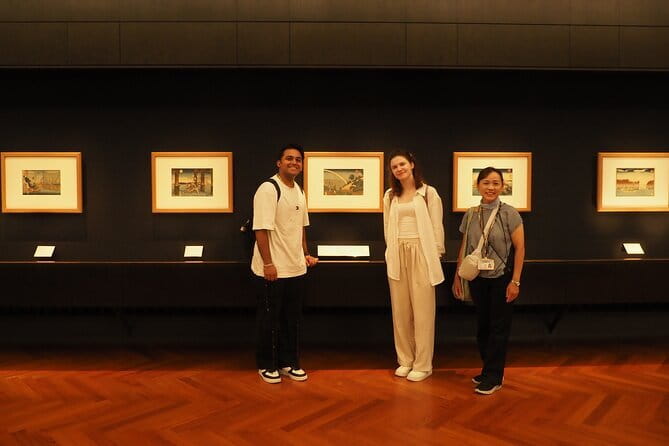
The tour includes a Japanese guide and explanations about food, etiquette, culture, and history. Those subjects are especially useful in Tsukiji, where the best experience depends on small choices: how you approach a shop, how you eat sushi, and how you behave in a place where vendors are working.
Sakura is one guide specifically named in the feedback. Her explanations of sushi eating and Japanese dining etiquette were a strong part of one outing, and a cancellation happened to leave that booking as a one-to-one experience. You should not count on a private tour, but the example shows that the group can become smaller when other bookings fall away.
A local guide can also help you decide what is worth trying. One guest described receiving advice about what to eat and having a good lunch, while another guide adjusted the plan during a holiday closure. These are practical strengths that a self-guided walk cannot guarantee.
Still, the guide cannot remove every uncertainty. Shop availability, holidays, weather, and food costs can affect the day. On a cold or wet morning, the open-air portions may feel less comfortable, and the experience may be more about explanation than leisurely eating.
Food, photos, and the $80 value question
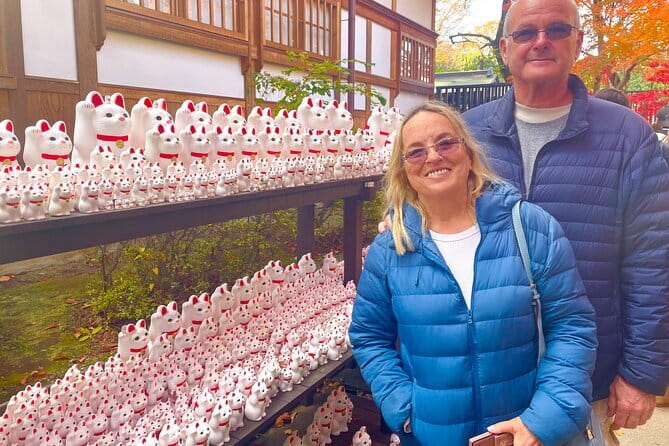
The strongest reason to book is the combination of market access, food guidance, cultural explanation, and a small group. The weakest point is the unclear food policy.
The tour materials say food tastings are included and refer to choices such as sushi or Japanese oysters. They also say food is not included. Since a guest specifically booked expecting food and found otherwise, you should not rely on the headline alone.
Here is how I would judge the price:
- If several tastings are included, $80 can make sense for a guided two to three-hour introduction to Tsukiji.
- If all food is extra, you are paying mainly for the guide, route planning, explanations, and photos.
- If you already feel comfortable ordering and navigating Japanese markets, a self-guided visit may offer better value.
- If you are nervous about etiquette or want help choosing seafood, the guide may justify the higher cost.
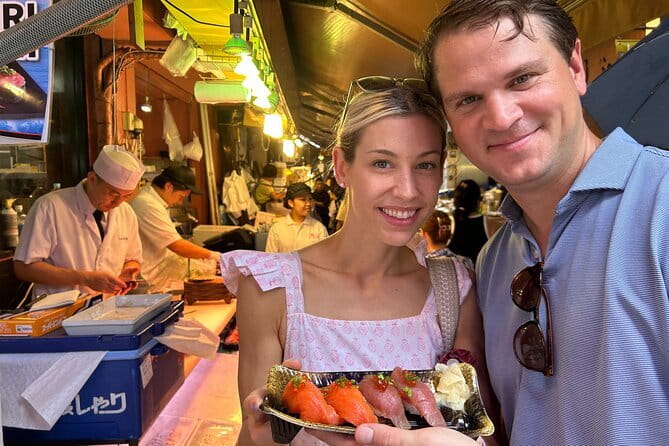
Photos are included and sent after the tour. That is a nice extra, but I would not use it as the main reason to book. The real value lies in the guide’s help and the chance to ask questions while you are in the market.
Group size, timing, and practical planning
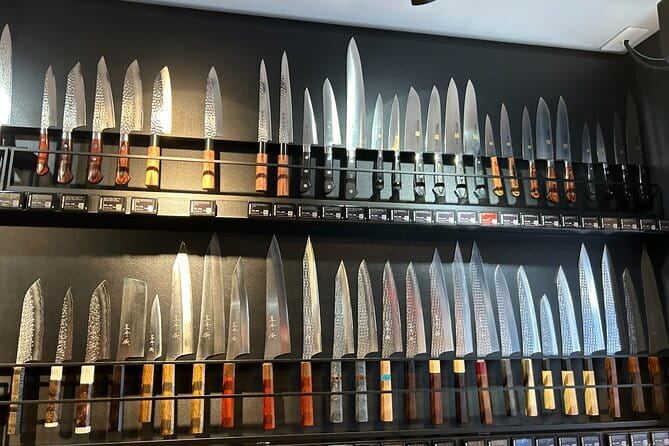
The advertised maximum is 15 people. That is small compared with a large coach outing, but you should still expect a shared walk rather than a private food tour. Stay close to the guide, especially in crowded market lanes, and allow time for the group to gather at each stop.
The duration is approximately two to three hours. The named schedule accounts for about two hours: 15 minutes at the temple, 90 minutes in the outer market, 30 minutes near the mini wholesale market, and 15 minutes at the shrine. The extra time likely allows for movement, questions, and stops along the market route.
The tour does not include hotel pickup or drop-off. You also pay your own transportation to the temple and any personal expenses. Bring a phone and download WhatsApp before the day, since that is the stated communication method for same-day contact.
Confirmation is provided when you book. Most people can participate, and the activity is near public transportation. No special access conditions are listed, so if you have a particular mobility need, contact the provider before paying rather than assuming the narrow market route will suit you.
Free cancellation is available up to 24 hours before the start time. Changes or cancellations made less than 24 hours ahead are not accepted for a refund.
Who should book this Tsukiji walk?
I would recommend it to a first-time Tokyo visitor who wants a guided introduction to seafood culture without giving up the chance to browse. It also suits anyone who wants help with sushi etiquette, Japanese dining customs, and the meaning of the shrines connected to the district.
It is a good fit for people who enjoy asking questions and trying foods chosen in the moment. The named stops give the walk structure, while the 90-minute market section leaves room for practical advice and lunch decisions.
I would hesitate if you want a guaranteed meal included in the $80 price. I would also hesitate if you prefer to explore at your own pace, dislike shared groups, or already know Tsukiji well.
Should you book it?
Book this tour if you want a local guide to explain Tsukiji as a food district, not just point out stalls. The temple, market, wholesale area, and shrine create a useful two to three-hour introduction, and the small group plus post-tour photos are worthwhile extras.
Before booking, contact Fuji Tour and get a direct answer about food. Ask what tastings are included, what you must buy yourself, and whether sushi or oysters are guaranteed. If the answer matches your expectations, the tour can be a friendly and informative way to get your bearings in Tsukiji. If food is entirely extra, compare the cost with a simple walking tour and decide how much personal guidance is worth to you.
FAQ
How much does the Tokyo Tsukiji Fish Market Food Tour cost?
The listed price is $80 per person.
How long does the tour last?
The activity takes approximately two to three hours.
Where does the tour begin and end?
It begins in front of Tsukiji Hongwanji Temple at 3-chōme-15-1 Tsukiji, Chuo City, Tokyo. It ends back at the meeting point.
Is food included in the tour price?
The tour information is inconsistent. It describes food tastings, including possible sushi or Japanese oysters, but also says food is not included. Confirm the exact food policy with Fuji Tour before booking.
How many people can join the tour?
The maximum group size is 15 people.
What is included besides the guide?
The tour includes a Japanese guide, explanations about food, etiquette, culture, and history, plus photos taken during the activity and sent afterward. Hotel transfers, transportation to the meeting point, and personal expenses are not included.
More Street Food Walking Tours in Japan
- Tokyo: Guided Walking Tour of Tsukiji Market with Breakfast
★ 4.4 · 134 reviews - Tokyo: Tsukiji Market Walking Tour & Sushi Cooking Class
★ 4.6 · 122 reviews - Tokyo’s Kitchen: Tsukiji Market Food & Culture Walk
★ 4.7 · 74 reviews - Tokyo: Secret Food Walking Tour
★ 4.7 · 38 reviews
More Street Food Market Tours in Tokyo
- Tokyo: Tsukiji Fish Market Sushi Making Class with Pro Chef
★ 4.9 · 506 reviews - Tokyo Food Tour Taste Fresh Delights at Tsukiji Market
★ 5.0 · 429 reviews - Tokyo Tsukiji Fish Market Tour and Sushi Making Lesson
★ 5.0 · 390 reviews - Tsukiji Fish Market: Street Food & Culture Walking Tour
★ 4.8 · 259 reviews
Just added around Tokyo
- Tokyo: Tsukiji walk & sushi private tour with Uni Students★ 5.0 · 17 reviews
- Tokyo: Private Tsukiji Street Food & Sake with Local Guide★ 5.0 · 3 reviews
- Tokyo: Tsukiji Market Guided Tour & Sushi-Making Experience★ 4.4 · 11 reviews
- Tokyo: Tsukiji Market and Hama-rikyu Gardens Guided Tour★ 4.8 · 73 reviews
- Tokyo Tsukiji Food & Culture Private Tour Licensed Guide★ 4.9 · 28 reviews
- Tokyo: Tsukiji Fish Market Foodie and Educational Tour★ 5.0 · 4 reviews
- Tokyo: Tsukiji Fish Market Culture Tour with Sashimi Tasting★ 4.6 · 54 reviews
- Tokyo: Tsukiji, Ginza, and Asakusa Japanese Culture Tour★ 5.0 · 2 reviews
Tokyo Street Food Tours, compared.
Tokyo Tsukiji Fish Market Food and Culture Walking Tour
Read our review →
Tokyo: Tsukiji Fish Market Food and Walking tour
Read our review →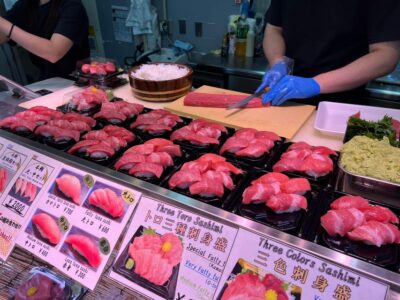
Tokyo: Tsukiji Fish Market Guided Walking Tour
Read our review →
Tokyo Sushi Making Class in Tsukiji with Professional Chef
Read our review →
Tsukiji Fish Market Guided Tour and Sushi Making with Pro Chef
Read our review →Tokyo: Tsukiji Fish Market Food and Culture Walking Tour
Read our review →
Tsukiji Fish Market: Street Food & Culture Walking Tour
Read our review →