
REVIEW · KYOTO STREET FOOD TOURS
Kyoto: Arashiyama Unveiled Bamboo, Temple, Matcha, & Monkeys
Arashiyama packs a lot into one morning or afternoon: a Zen temple, towering bamboo, a quiet shrine, matcha, a famous bridge, and monkeys with a view over Kyoto. This four-hour walking tour gives you a clear route through the district without asking you to plan every turn yourself.
I like the combination of Tenryu-ji and the Bamboo Grove, since the temple gives you a calm cultural start before the path grows more atmospheric. I also like the human touch: guides such as Kosuke and Takuma bring local stories, take photos, and keep the pace friendly. The main consideration is that Monkey Park Iwatayama requires a short uphill walk, so this is not a sit-back sightseeing trip.
Key points at a glance
- Tenryu-ji admission is included, giving you time in one of Arashiyama’s most important Zen temples.
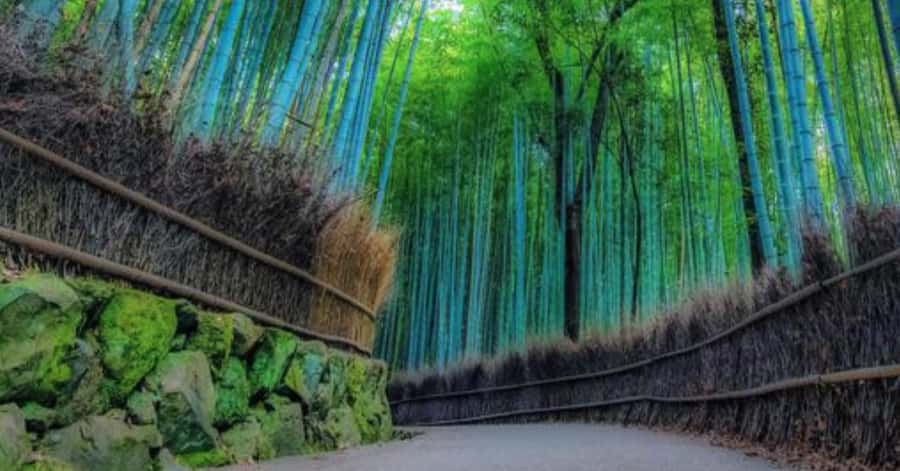
- The Bamboo Grove comes early, when the tour can connect the famous path with the temple and Nonomiya Shrine.
- A matcha drink is included, adding a simple taste of Japanese tea culture without an extra charge.
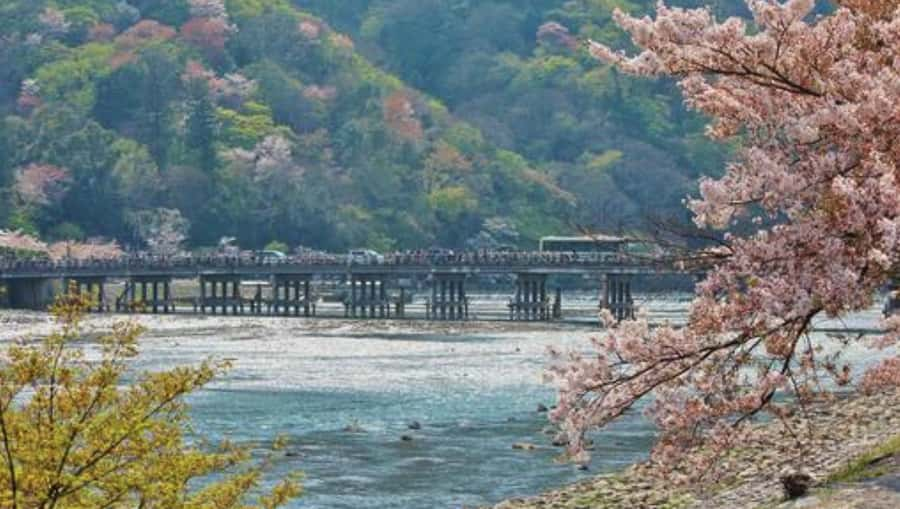
- Togetsu-kyo Bridge links the cultural stops with the river scenery, making a natural pause in the route.
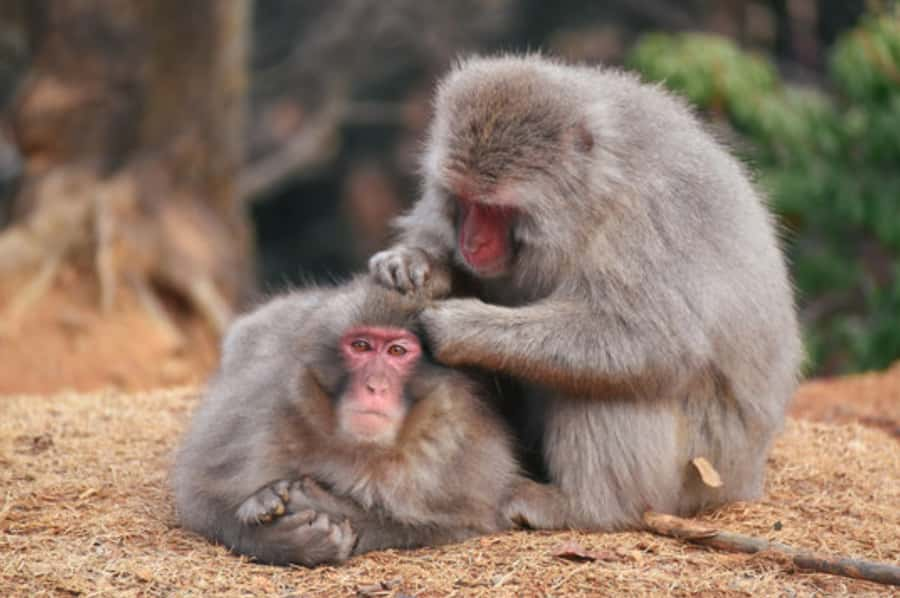
- Monkey Park Iwatayama finishes the tour, with native macaques and broad views over Kyoto.
- Kosuke and Takuma are named guides, and the tour is conducted in English.
Why this Arashiyama route works
Arashiyama can feel scattered if you visit without a plan. The major sights sit close enough to walk between, yet each has a different character. Tenryu-ji is composed and formal. The Bamboo Grove is tall, narrow, and atmospheric. Nonomiya Shrine is smaller and quieter. The bridge opens the view, and Monkey Park changes the pace again with animals and a climb.
This tour connects those pieces into one four-hour outing. That matters if you have limited time in Kyoto or if you want context while you walk. You are not simply checking off the bamboo and bridge. An English-speaking guide helps explain why each stop matters, and the route gives you a taste of Arashiyama’s religious, natural, and local sides.
The cost is $25 per person, with Tenryu-ji admission, one matcha beverage, and Monkey Park entry included. For a half-day outing, that is a strong price, especially if you value a guide who can handle the route and provide photos. Food and additional drinks cost extra, so plan this as a focused tour rather than a full meal experience.
The tour begins at the MALEBRANCHE Arashiyama Store. Check the exact start time when booking, since several departure times may be available. The meeting point is useful because it places you in Arashiyama before the main sequence of sights begins.
Other street food tours people book around Kyoto:
- Nishiki Market Brunch Walking Tour (7 Tastings + Brunch)
★ 5.0 · 1,355 reviews - Kimono Tea Ceremony at Kyoto Maikoya, NISHIKI
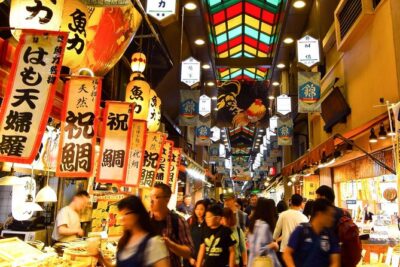
★ 5.0 · 911 reviews - Kyoto Nishiki Market Food and Culture Walking Tour
★ 5.0 · 412 reviews
Starting at MALEBRANCHE Arashiyama Store
Your first task is simply to find the meeting point and meet the English-speaking guide. The experience is led by a live guide rather than an audio recording, which makes a difference in a district where you may want to ask quick questions or pause for a photo.
Kosuke and Takuma are two of the guides associated with the experience. Kosuke has been praised for being friendly, down to earth, and good at taking photos. Takuma has also been described as engaging and personable. Those details matter for a walking tour, since the guide’s manner affects how relaxed the four hours feel.
You should arrive ready to walk. The route includes temple grounds, paved streets, the Bamboo Grove, a bridge crossing, and the uphill approach to Monkey Park. Wear shoes you are happy to use for several hours, and keep some room in your schedule afterward if you prefer not to hurry away.
Tenryu-ji: a calm start in the temple grounds
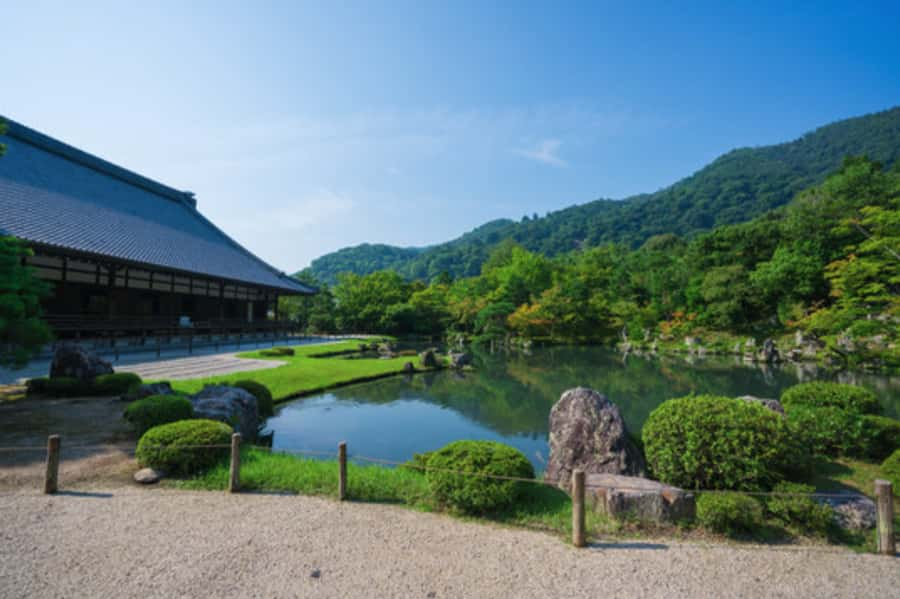
The first scheduled stop is Tenryu-ji, with about 30 minutes to look around. Admission is included, so you do not need to buy a separate ticket for this part of the tour.
Tenryu-ji is a UNESCO World Heritage site and one of the key cultural stops in Arashiyama. Its Zen setting gives the tour a quiet opening. Instead of moving straight into the district’s most photographed path, you begin with temple architecture, ordered gardens, and a sense of the area’s religious importance.
Thirty minutes is enough for an introduction, but not enough for every corner of a large temple complex. I see that as a useful tradeoff. The tour is designed to show you several parts of Arashiyama, not to spend half a day at Tenryu-ji alone. Listen closely to the guide here, since a short explanation can help you notice details you might otherwise pass without a second thought.
This stop also offers a practical benefit. If you are visiting Arashiyama on your own, it is easy to rush toward the Bamboo Grove and miss the temple. Putting Tenryu-ji first gives the morning a better balance.
Walking beneath Arashiyama’s bamboo
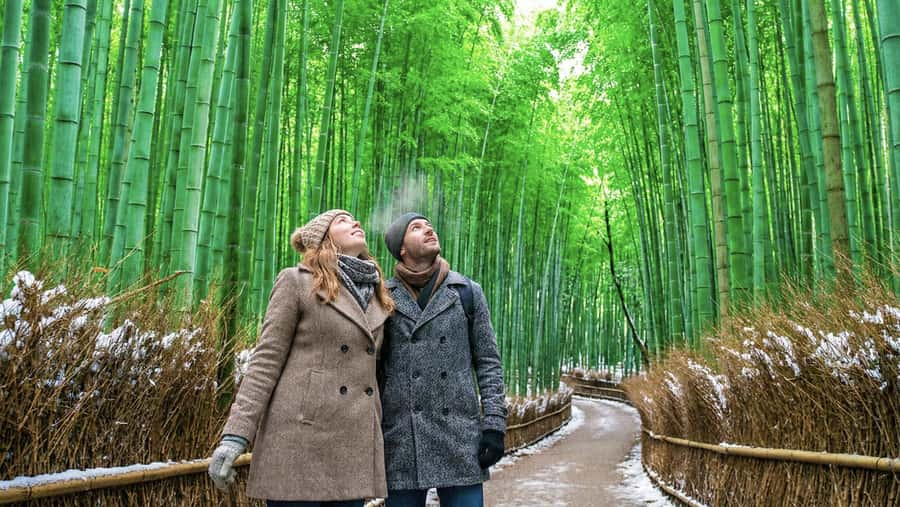
Next comes the Arashiyama Bamboo Forest, with about 45 minutes set aside for the visit. This is the part most people picture when they think of Arashiyama: a narrow route framed by tall bamboo stalks and filtered light.
The Bamboo Grove is famous for good reason. Its scale creates a strong visual effect, and the path feels different from the open streets around it. One especially memorable detail from the tour feedback was traditional flute music heard in the bamboo, which made the setting feel even more atmospheric. You may encounter similar music, but it should not be treated as a guaranteed part of the tour.
The guide helps here by giving the stop shape. Forty-five minutes is long enough to walk, pause, and take photographs without letting one path swallow the rest of the day. It is also short enough to keep the tour moving. The grove can be crowded, and no guided route can promise an empty path. A guide can, however, help you focus on the experience rather than spending your time working out where to go next.
I would keep your phone or camera ready, but do not spend the whole stop looking at a screen. The bamboo is most impressive when you look up and take in the height around you. Comfortable shoes matter here, even though the visit is not presented as a long hike.
Same city, a different plate:
- Kyoto: Nishiki Market Tea Ceremony with Koto Performance
★ 4.8 · 294 reviews - Gyoza Cooking Class in Kyoto: Traditional Japanese Dumplings
★ 5.0 · 210 reviews - Kyoto: Gion Local Food Tour (Taste 15 Dishes)
★ 5.0 · 171 reviews - Kyoto: Local Food Tasting Tour at the Nishiki Market
★ 4.7 · 135 reviews
Nonomiya Shrine and the smaller details
The tour then pauses at Nonomiya Shrine for around 20 minutes. Compared with Tenryu-ji, this is a compact stop, but it adds another layer to the route.
Nonomiya Shrine has a long history and a quieter feel. It sits near the Bamboo Grove, so it works well as a short pause after the larger temple and the famous path. The guide can explain the shrine’s place in the area while you take in its gates and setting.
This is also where a private or small guided experience can feel more useful than a checklist. You have time to ask a question, hear the story behind the site, and take a few photographs without needing a long formal visit. Do not expect the same scale as Tenryu-ji. The appeal is its intimacy and its position along the route.
The matcha pause and the secret stop
A matcha beverage is included during the experience. The schedule lists a 20-minute secret stop, but its exact location and character are not specified in the available details. That gives the guide some flexibility, yet you should not book this expecting a named tea ceremony or a full hands-on lesson.
What you can count on is one matcha drink. That small inclusion adds a local taste to a day otherwise built around walking and sightseeing. It also gives you a chance to pause between the temple area and the bridge.
The distinction is important. This is a matcha tasting moment, not a separate food tour. Extra food and drinks are not included, so bring your appetite for the sights and budget separately if you want snacks or a meal. The tour information does not specify the exact matcha venue, preparation style, or food pairings.
Togetsu-kyo Bridge and the river view
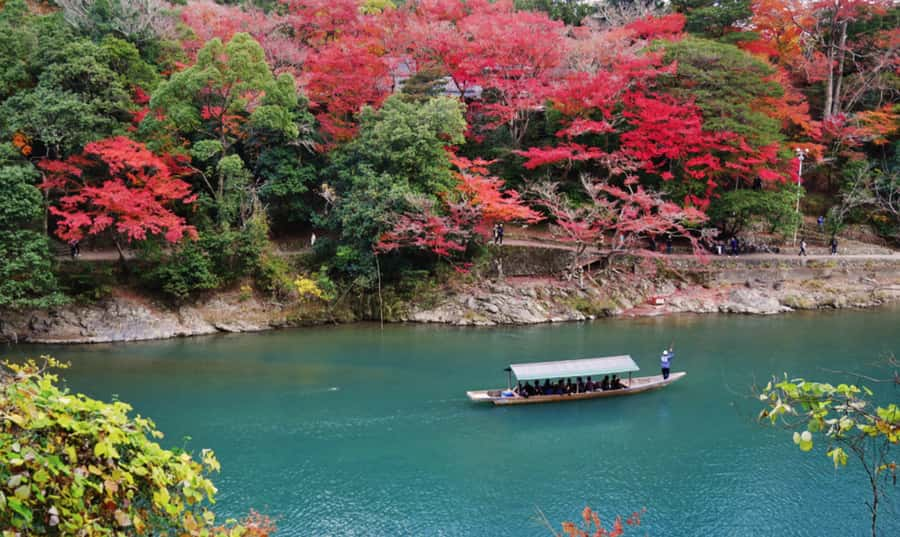
The route continues to Togetsu-kyo Bridge, with about 30 minutes for the stop. This is one of Arashiyama’s most recognizable points, and it offers a welcome change from the enclosed feel of the bamboo path.
At the bridge, the view opens out. You get a broader sense of the river setting and the surrounding hills, rather than another narrow temple lane. It is a natural place for photographs, and a good moment to let the guide connect Arashiyama’s cultural sights with its scenery.
The bridge stop also breaks up the walking rhythm before Monkey Park. Thirty minutes should give you time to cross, look around, and take pictures without turning the stop into a long rest. Since the experience includes several short visits, the overall pace stays active. If you prefer slow, extended time at one site, this may feel brisk.
I like the route order here. The bridge acts as a visual reset before the final climb. By this point, you have seen the temple, shrine, bamboo, and matcha. The open view helps prepare you for a more outdoors-focused finish.
Monkey Park Iwatayama: the active finale
The last major stop is Iwatayama Monkey Park, with about an hour included. Entry is covered in the price, and you have the chance to observe native macaques in a free-roaming setting.
This is not a zoo-style stop where the animals are presented behind a series of viewing windows. The appeal is seeing macaques moving through their own area while you follow the park route. The visit also brings a broad view over Kyoto, giving the tour its biggest payoff in terms of city scenery.
You should expect an ascent to reach the park. The available description calls it a brief ascent, but it is still the most physically demanding part of the tour. If stairs or uphill walking are difficult for you, consider that before booking. The tour does not provide a separate transport option to skip this section.
An hour gives you time to reach the park, observe the monkeys, and enjoy the view without needing to rush through the final stop. It is a strong ending because it changes the focus from buildings and pathways to animals and open space. Keep a respectful distance from the macaques and follow the guide’s instructions around them.
What the guides add to the experience
The guide is central to the value here. Arashiyama’s sights are easy to photograph, but their meaning is less obvious without explanation. The tour gives you an English-speaking person to connect the temple, shrine, tea, bridge, and monkey park into a single story.
Kosuke has been praised for his friendly personality, sense of humor, and ability to make a solo tour feel comfortable. He has also taken good photos, which is useful if you are exploring alone and want a few pictures of yourself in the Bamboo Grove or at the bridge.
Takuma has been described as engaging and friendly, with an ability to bring the tour to life. The available comments also refer to Takuma touring with a friend, suggesting that the exact guide setup can vary. The important point is that this is a live English tour, not a fixed script delivered without interaction.
The group size is not specified, so do not assume you will receive a private tour. Some people may have a solo or small-group experience, while others may join a larger group. Ask about the group arrangement if that detail is important to you before booking.
Who should book this four-hour walk?
I would recommend this tour to a first-time Kyoto visitor who wants a guided introduction to Arashiyama without paying for a full-day excursion. It works especially well if you want culture and nature in the same outing.
It is also a good fit for solo visitors. A friendly guide can make the route easier, offer context, and take photos. The structure suits couples and friends who want to see the headline sights but do not want to research the walking order themselves.
Families may like the mix of bamboo, animals, and a bridge, though the uphill walk to Monkey Park should be considered in advance. People who want a detailed temple study or a long tea ceremony should choose a more specialized experience. This tour gives you a broad sample rather than extended time at one attraction.
The pace is active but not presented as a full-day hike. You should still be comfortable walking for four hours, with the Monkey Park ascent as the clearest physical challenge.
Price, timing, and practical value
At $25 per person, the tour offers good value. You receive four hours with an English-speaking guide, Tenryu-ji admission, one matcha beverage, and Monkey Park entry. Buying those elements separately could make a self-guided visit less simple, even if you prefer to set your own pace.
The biggest saving is not just the entrance fees. It is the time and planning. You get a ready-made route through several of Arashiyama’s main sights, with someone explaining the places as you go. That is useful during a short Kyoto stay.
Food and additional drinks are not included. The exact tour start time depends on availability, and the activity allows cancellation up to 24 hours in advance for a full refund. You can also reserve now and pay later, which helps if your Kyoto schedule is still shifting.
Should you book it?
Book this tour if you want an affordable, well-rounded introduction to Arashiyama, especially if you value a friendly English-speaking guide and want the main sights arranged in a sensible order. The included temple and monkey park admissions, matcha drink, and four-hour format make the price easy to justify.
Skip it if you prefer wandering alone, spending hours at one temple, or avoiding uphill walking. For most visitors with limited time, though, this is a smart way to see the district’s major contrasts: Zen calm, tall bamboo, shrine tradition, tea, river views, and free-roaming macaques.
FAQ
How long does the Arashiyama tour last?
The tour lasts four hours.
Where does the tour begin?
It begins at MALEBRANCHE Arashiyama Store.
Is the tour conducted in English?
Yes. The experience includes a live English-speaking guide.
Is admission to Tenryu-ji included?
Yes. Tenryu-ji admission is included in the tour price.
Is Monkey Park Iwatayama included?
Yes. Entry to Monkey Park Iwatayama is included.
Is a matcha drink provided?
Yes. One matcha beverage is included.
Are food and extra drinks included?
No. Additional food and drinks are not included.
Does the tour visit the Bamboo Grove?
Yes. The route includes about 45 minutes at the Arashiyama Bamboo Forest.
Does the tour include Togetsu-kyo Bridge?
Yes. The tour includes about 30 minutes at Togetsu-kyo Bridge.
Can I cancel for a full refund?
Yes. You can cancel up to 24 hours in advance for a full refund.
Just added around Kyoto
- Taste of Nishiki Market Walking Food Tour with Local guide★ 5.0 · 17 reviews
- Nishiki Market Food Tour with Cooking Class★ 4.9 · 42 reviews
- Kyoto:Seasonal Kaiseki Reservation at Hanasaki Nishiki★ 5.0 · 3 reviews
- Kyoto: Nishiki Market Tour with a Local Foodie & Tastings★ 4.5 · 67 reviews
- Golden Pavilion, Nijo Castle, & Nishiki Market Half day tour★ 5.0 · 29 reviews
- Kyoto: Hands-on Takoyaki and Okonomiyaki Cooking (1 Hour)★ 4.7 · 25 reviews
- Kyoto: Nishiki Market Food Tour with Local Guide★ 4.6 · 5 reviews
- Kyoto: Nishiki Market Food Tour★ 4.9 · 21 reviews
Kyoto Street Food Tours, compared.
Nishiki Market Brunch Walking Tour (7 Tastings + Brunch)
Read our review →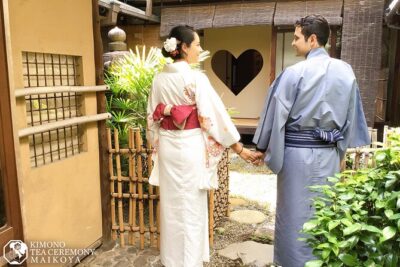
Kyoto Nishiki Market Food and Culture Walking Tour
Read our review →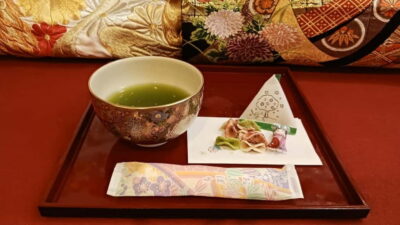
Kyoto: Nishiki Market Tea Ceremony with Koto Performance
Read our review →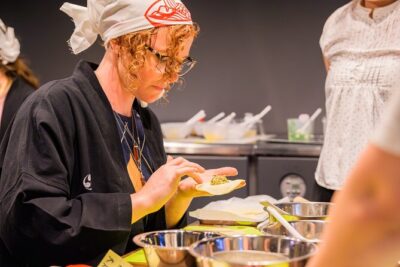
Gyoza Cooking Class in Kyoto: Traditional Japanese Dumplings
Read our review →
Kyoto: Local Food Tasting Tour at the Nishiki Market
Read our review →
Kyoto: Nishiki Market and Depachika Food Tour with a Local
Read our review →Browse the lists this tour appears in