REVIEW · KYOTO STREET FOOD TOURS
Golden Pavilion, Nijo Castle, & Nishiki Market Half day tour
Kyoto’s past comes into sharp focus on this four-hour route through three very different places. You see the gold-covered Kinkaku-ji, walk through Nijo Castle’s samurai-era rooms, and finish at Nishiki Market, where you can choose your own lunch. I like the clear historical thread, from shogun power to the end of the samurai age, and I like that certified guide Roberto uses an iPad with his own images and explanations. The main thing to consider is pace: you use public transport and walk for much of the morning, so comfortable shoes and reasonable fitness matter.
I also like the practical help built into the tour. Roberto can suggest places to visit during the rest of your Kyoto stay, take photos for you, and guide in English or Spanish. A short video made for one group was a memorable extra, though that kind of personal touch may depend on the day and the group.
Key points to know before booking
- Three major Kyoto sights in four hours: Kinkaku-ji, Nijo Castle, and Nishiki Market give you temples, political history, architecture, and food in one morning.
- A private group with Roberto: The tour is led by a Kyoto City Certified Tourist Guide, with English and Spanish available.
- History made easier to follow: iPad images help explain the Edo Period, the shogun, samurai, and Japan’s move toward modernization.
- Public transport is part of the experience: Expect a bus ride from Kyoto Station, subway travel between sights, and walking through the market area.
- Lunch is left to you: The tour ends at Nishiki Market, so you can pick from its many food stalls, shops, and restaurants.
- Budget for entrance tickets: The advertised price is $90 per person, but you also pay 500 yen for Kinkaku-ji and 1,300 yen for Nijo Castle.
Why this half-day route works in Kyoto
Kyoto can feel scattered on a first visit. The major sights sit in different parts of the city, and public transport takes some figuring out. This tour gives you a useful morning plan without filling the entire day.
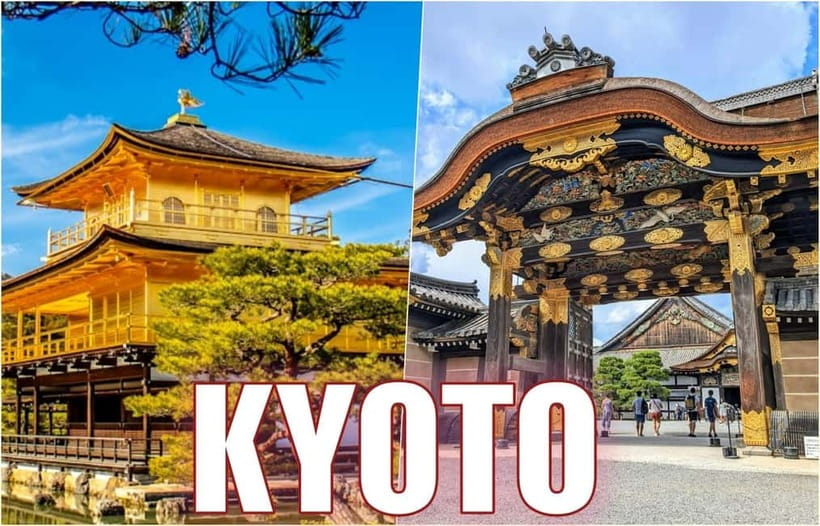
The route also has a sensible shape. Kinkaku-ji introduces the polished, religious side of Kyoto. Nijo Castle shifts the focus to military government and court life. Nishiki Market brings you back to ordinary food, shopping, and city life. You are not looking at three similar temples and wondering what separates them.
The morning starts at 8:30 and finishes around 12:30. That early schedule matters. Kinkaku-ji is one of Kyoto’s most sought-after sights, and arriving in the morning gives you a better chance of seeing it before the day becomes more crowded. The tour finishes in time for lunch at Nishiki Market, with the rest of the afternoon open for another district or a slower return to your hotel.
This is a private-group tour, not a large coach outing. That gives Roberto room to adjust his explanations, answer questions, and help with photos. The strongest praise attached to the experience focuses on his friendly attention, clear explanations, and willingness to make the tour personal. One group received a short trip video, and another specifically appreciated how carefully he listened. Those details suggest a guide who does more than recite dates.
More Fish Market and Seafood Tours in Kyoto
- Nishiki Market Brunch Walking Tour (7 Tastings + Brunch)
★ 5.0 · 1,355 reviews - Kimono Tea Ceremony at Kyoto Maikoya, NISHIKI
★ 5.0 · 911 reviews - Kyoto Nishiki Market Food and Culture Walking Tour
★ 5.0 · 412 reviews
Meeting Roberto at Kyoto Station
Meet in front of the 7-Eleven at the JR Kyoto Station building, on the first floor. Use the Kyoto Tower side exit. Roberto will hold an iPad and a red card marked RBRT, short for Roberto.
This is a sensible meeting point, but Kyoto Station is large, so do not leave your arrival until the last minute. The tour starts at 8:30 sharp. If you are coming directly from another part of Kyoto, allow time to find the correct station exit rather than assuming every exit leads to the same area.
The first leg is a public bus ride of about 35 minutes to northwest Kyoto. Your own transport is not included in the $90 price, and neither are your entrance tickets. The guide’s own admission and transport costs are covered, but you should carry money for your fares and the two sites.
Kinkaku-ji: Kyoto’s golden image
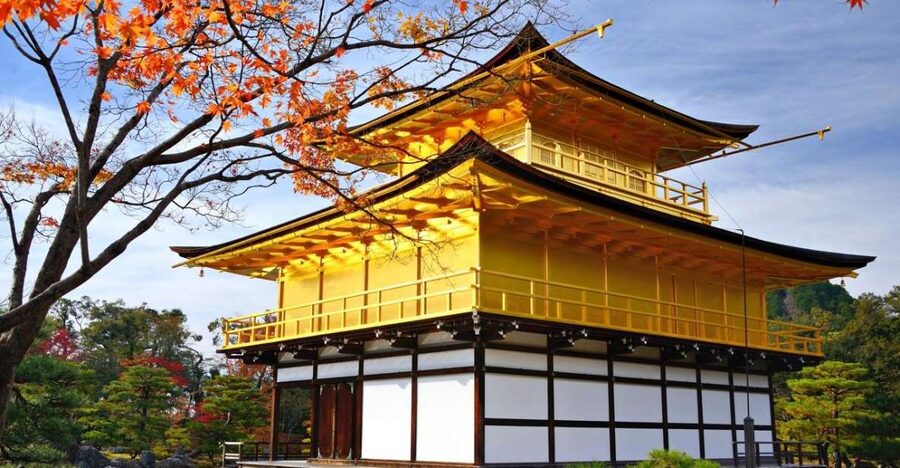
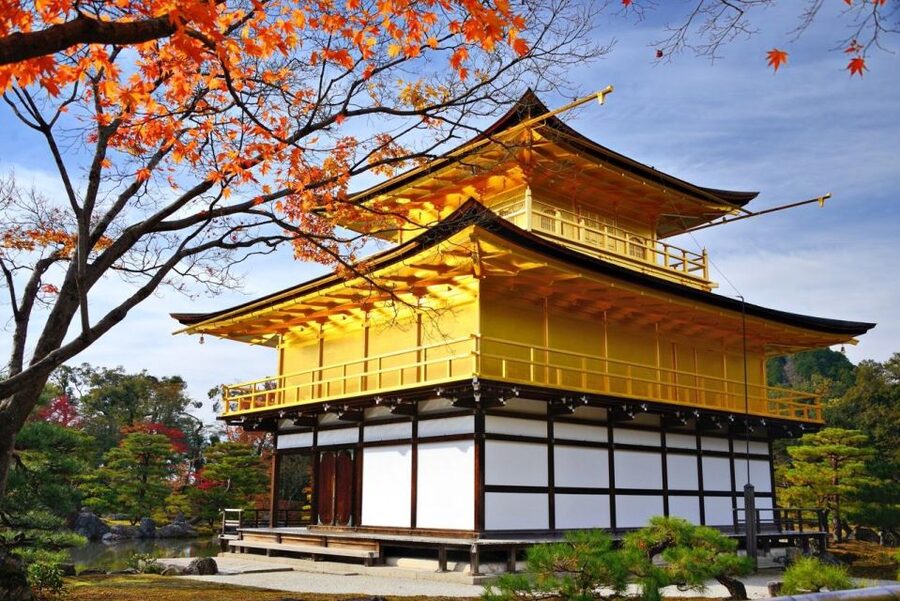
The first major stop is Kinkaku-ji, better known as the Golden Pavilion. Its top two floors are covered with real gold leaf, and the building is set beside a pond that reflects its bright surface. This is the image many people carry in their minds before arriving in Kyoto, and it is every bit as visual as expected.
The pavilion began as a villa for Ashikaga Yoshimitsu, a 14th-century shogun, before becoming a Zen Buddhist temple. That shift from powerful private residence to religious site gives Roberto useful material to explain. The gold is not just decoration. It signals wealth, power, and devotion, which helps you read the building as a statement about its owner and his time.
You have about 90 minutes here, including the guided explanation. That is long enough to appreciate the pond, the pavilion, and the surrounding grounds without turning the stop into a rushed photograph. It is also worth remembering that Kinkaku-ji is a high-demand sight. Your view follows a set visitor route, and the experience is more about seeing and understanding the famous exterior than wandering freely through every part of the temple.
Some areas inside the temple complex do not allow photography. Listen for Roberto’s instructions rather than assuming you can use your camera everywhere. He can also take as many pictures of you as you wish in permitted areas, which is useful if you are traveling alone or want a proper group photo.
The entrance fee is 500 yen, paid separately. At this stop, the iPad can help place the building in context. A quick image or diagram is often easier to follow than a long spoken explanation, especially when you are standing outdoors with many visual details competing for attention.
Nijo Castle: samurai power under wooden roofs
From Kinkaku-ji, the group travels by subway for about 20 minutes to Nijo Castle. The change of mood is immediate. Kinkaku-ji presents a refined religious and aristocratic image. Nijo Castle tells you how military rulers controlled Japan.
The castle is linked to the shogun, the powerful military ruler who directed national affairs while the emperor remained a separate figurehead. Roberto explains the struggles among samurai, feudal lords, and the shogun, then connects that system to the end of the samurai era and Japan’s move toward modernization.
Allow about 95 minutes for the guided visit. The castle is known for Edo Period architecture, detailed woodwork, and carefully finished interiors. You are looking at more than attractive rooms. The design reflects rank, ceremony, and control, with architecture used to communicate who held authority.
The most memorable feature for many people is the nightingale floor. The floorboards chirp when stepped on, creating an early warning system against intruders. It is an excellent detail because it turns a large political story into something physical. You do not just hear that the shogun needed protection. You hear the floor respond beneath your feet.
Nijo Castle is also where the tour’s historical focus becomes most useful. If you only visit temples, Kyoto can seem frozen in a purely spiritual past. Here you see the political machinery behind the country, the power of the feudal lords, and the military class that shaped Japan for centuries. The explanation of the samurai era’s end helps connect the old castle to modern Japan.
The entrance fee is 1,300 yen, about $8.15, and is not included. The castle visit involves walking indoors and around the grounds. The tour does not require mountain climbs or very long stairways, but it is still a walking morning, not a seated sightseeing trip.
More Street Food Market Tours in Japan
- Kyoto: Nishiki Market Tea Ceremony with Koto Performance
★ 4.8 · 294 reviews - Kyoto: Local Food Tasting Tour at the Nishiki Market
★ 4.7 · 135 reviews - Kyoto: Nishiki Market and Depachika Food Tour with a Local
★ 4.7 · 76 reviews - Kyoto: Nishiki Market Tour with a Local Foodie & Tastings
★ 4.5 · 67 reviews
Nishiki Market: finish with Kyoto’s kitchen
After Nijo Castle, another subway ride of about 15 minutes brings you close to Nishiki Market. The final walk takes around 10 minutes, and the tour ends at the market entrance at about 12:30.
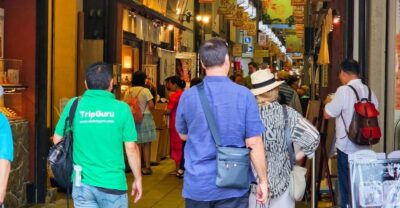
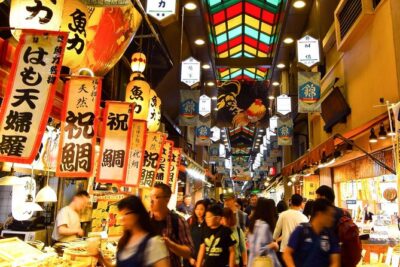
Nishiki Market runs along a narrow, five-block shopping street. More than 100 shops and restaurants sell food-related goods, including seafood, produce, knives, cookware, and prepared items. It is often called Kyoto’s Kitchen, and the name makes sense once you see how much of the street is devoted to eating and cooking.
This is not a formal tasting tour, so food and drinks are not included. That is a limitation if you want a guide to lead you from stall to stall. It is also a benefit if you prefer to choose your own lunch and set your own budget. Roberto explains the market’s origins, then leaves you with hundreds of choices.
The market can feel lively and tight, especially at lunchtime. Keep your belongings close and be patient in narrow sections. You may find the best use of this stop is to treat it as a guided introduction rather than a fixed meal. After the explanation, you can browse at your own speed, eat, shop for cooking tools, or continue into the surrounding central Kyoto streets.
Ending here is practical. You do not need to return to Kyoto Station before lunch, and you can ask Roberto for suggestions for the rest of your day. That advice is especially useful early in a Kyoto visit, when you are still working out which neighborhoods and sights fit together.
How Roberto’s guiding style adds value
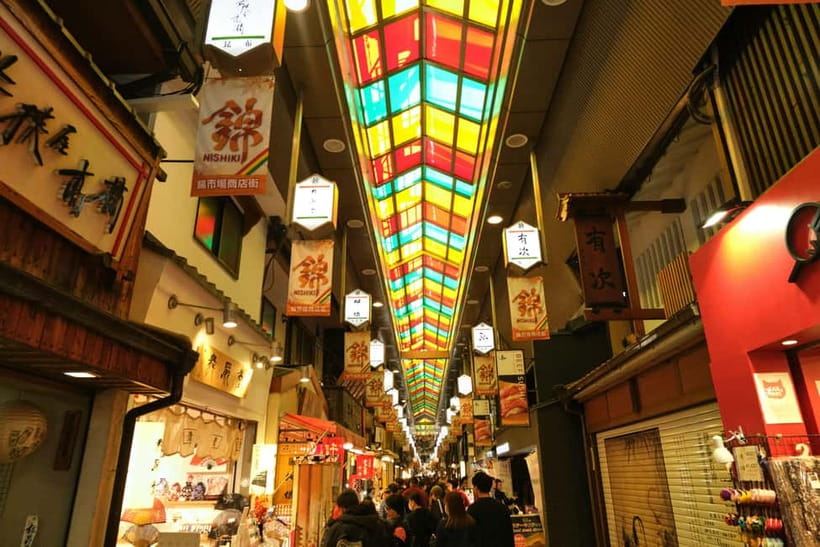
A certified guide can make a major difference on a route like this because the buildings do not explain themselves. Kinkaku-ji needs context about Yoshimitsu and Zen Buddhism. Nijo Castle needs a clear account of the shogun and samurai system. Nishiki Market benefits from a short explanation of how it developed as a food center.
Roberto uses an iPad with explanations he created himself. The images are intended to make complicated subjects easier to grasp, not simply to fill time. This can help when discussing people, political structures, or buildings that no longer look exactly as they did in their original period.
He also guides in English and Spanish. The personal format gives you a chance to ask for more detail in the areas that interest you. You might want more about samurai life, more about Kyoto food, or more suggestions for the next day. The tour is designed to provide that sort of conversation.
The practical extras matter, too. Roberto can take photos, offer recommendations, and in at least some cases create a short video of the outing. I would not book solely for the video, since it is not listed as a guaranteed inclusion, but it shows the kind of personal attention this experience aims to provide.
Price, extra costs, and what you receive
The tour costs $90 per person. That is not the lowest-cost way to visit these sights, especially because you also pay for your own transport and admission.
The required entrance fees are:
- Kinkaku-ji: 500 yen, approximately $3.10
- Nijo Castle: 1,300 yen, approximately $8.15
You also pay your public bus and subway fares. Food and drinks at Nishiki Market are separate. The guide’s own entrance fees and transport are covered, so you are not paying an additional guide expense once the tour begins.
The value comes from the organization and explanation. On your own, you can visit the same places for less, but you must plan the route, manage the transfers, interpret the sites, and find your way through a huge station. If you want a private guide who links three major stops and helps you use the rest of your Kyoto time well, $90 can be fair.
This price makes the most sense for a first morning in Kyoto, for families who want history explained clearly, or for anyone who prefers a guided start before exploring alone. If you already know the sites well and enjoy researching on your own, the guided fee may feel less necessary.
Walking, transport, and who should skip it
The tour uses a public bus, subway trains, and walking. The listed transfers take about 35 minutes by bus, 20 minutes by subway, and 15 minutes by subway, followed by a 10-minute walk to Nishiki Market. Add the walking inside each site and you have an active morning.
Wear comfortable shoes. You do not climb mountains or face very long stairways, but you need to be in reasonable walking condition. The tour is not suitable for wheelchair users, people with back problems, pregnant women, people with a low level of fitness, or anyone who cannot manage a morning of walking and public transport.
Baby strollers and luggage or large bags are not allowed. Plan to leave large items at your accommodation or use an appropriate storage option before meeting the guide. The tour runs rain or shine, so bring clothing suited to the forecast. Parts of the experience take place outdoors, and photography rules apply inside some temple areas.
The private format may work well for families and small groups, but the walking limits still apply. A private group does not turn this into a vehicle-based sightseeing trip.
Is this the right Kyoto morning for you?
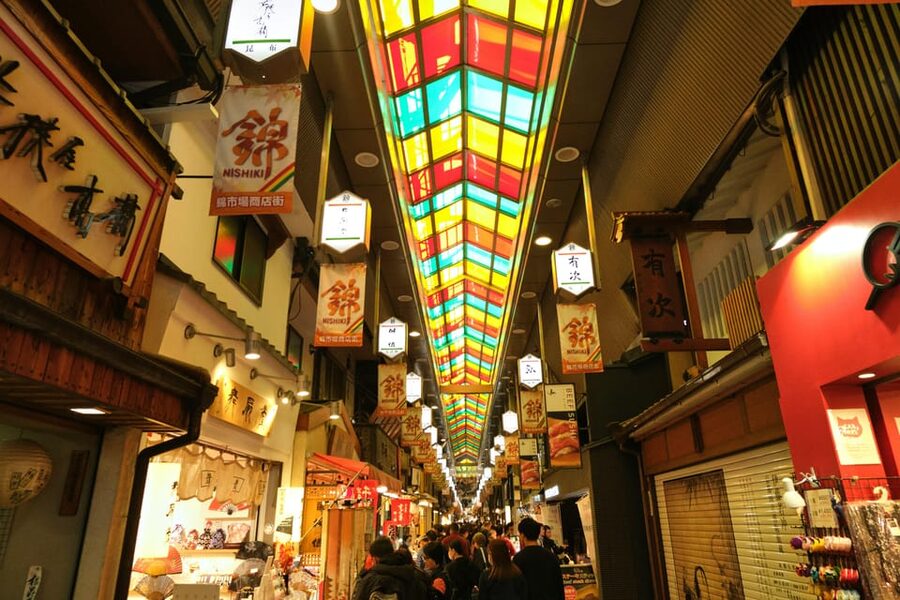
Book this tour if you want a clear introduction to Kyoto’s religious, political, and food culture in one morning. It is especially useful if you are visiting Kyoto for the first time, want explanations in English or Spanish, or prefer a guide to handle the route while you focus on the sights.
Choose it for Roberto’s personal approach, iPad-based explanations, photo help, and practical advice for the rest of your stay. The strongest parts are the historical connection between Kinkaku-ji and Nijo Castle, plus the freedom to choose lunch at Nishiki Market.
Skip it if you want a slow, independent morning, dislike public transport, or plan to carry luggage. Also think twice if you need a fully accessible route or cannot walk comfortably for several hours.
For most visitors who want to get their Kyoto bearings fast, this is a well-shaped half-day: gold first, samurai power second, and lunch among Kyoto’s food stalls at the finish.
FAQ
How long does the tour last?
The tour lasts about four hours, from 8:30 in the morning until approximately 12:30.
Where does the tour begin?
Meet in front of the 7-Eleven at the JR Kyoto Station building on the first floor. Use the Kyoto Tower side exit.
How will I identify the guide?
Roberto will hold an iPad and a red card marked RBRT.
Which attractions are included?
The tour visits Kinkaku-ji, also called the Golden Pavilion, Nijo Castle, and Nishiki Market.
Are admission tickets included?
No. Kinkaku-ji costs 500 yen and Nijo Castle costs 1,300 yen. These fees are paid separately.
Is transportation included?
Your own bus and subway fares are not included. The tour uses public bus and subway services between the stops.
What languages are available?
The live guide is available in English and Spanish.
Can I cancel the tour?
You can cancel up to 24 hours in advance for a full refund. A reserve-now, pay-later option is also available.
More Market Food Tours in Kyoto
- Tokyo Tsukiji Fish Market Food and Culture Walking Tour
★ 5.0 · 3,184 reviews - Phuket: Full Day City Tour with Night Market
★ 4.5 · 2,888 reviews - London Bridge & Borough Market Food Tour with 7 Authentic Dishes
★ 5.0 · 1,972 reviews - Tokyo: Tsukiji Fish Market Food and Walking tour
★ 5.0 · 1,724 reviews
More Street Food Market Tours in Kyoto
- Nishiki Market Food Tour with Cooking Class
★ 4.9 · 42 reviews - Kyoto: Nishiki Market Food Tour
★ 4.9 · 21 reviews - Taste of Nishiki Market Walking Food Tour with Local guide
★ 5.0 · 17 reviews - Kyoto: Nishiki Market Food Tour with Local Guide
★ 4.6 · 5 reviews
Just added around Kyoto
- Taste of Nishiki Market Walking Food Tour with Local guide★ 5.0 · 17 reviews
- Nishiki Market Food Tour with Cooking Class★ 4.9 · 42 reviews
- Kyoto: Nishiki Market Tour with a Local Foodie & Tastings★ 4.5 · 67 reviews
- Kyoto:Seasonal Kaiseki Reservation at Hanasaki Nishiki★ 5.0 · 3 reviews
- Kyoto: Hands-on Takoyaki and Okonomiyaki Cooking (1 Hour)★ 4.7 · 25 reviews
- Kyoto: Nishiki Market Food Tour with Local Guide★ 4.6 · 5 reviews
- Kyoto: Nishiki Market Food Tour★ 4.9 · 21 reviews
- Kyoto: Guided Local Food Tour with 13 dishes★ 5.0 · 3 reviews
Kyoto Street Food Tours, compared.
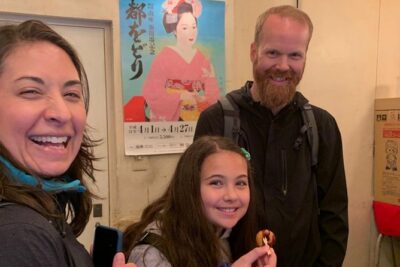
Nishiki Market Brunch Walking Tour (7 Tastings + Brunch)
Read our review →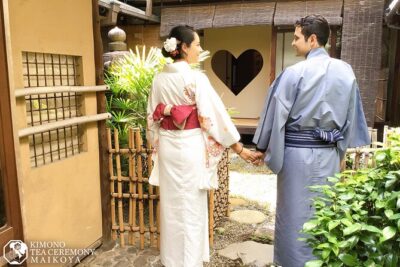
Kyoto Nishiki Market Food and Culture Walking Tour
Read our review →
Kyoto: Nishiki Market Tea Ceremony with Koto Performance
Read our review →
Gyoza Cooking Class in Kyoto: Traditional Japanese Dumplings
Read our review →
Kyoto: Local Food Tasting Tour at the Nishiki Market
Read our review →