REVIEW · TOKYO STREET FOOD TOURS
Tokyo: Tsukiji Fish Market Food and Walking tour
Tsukiji is easiest to enjoy when someone else handles the first wave of confusion. This two-hour walk takes you from the striking Tsukiji Hongwanji Temple into the market streets, where you can pick out sushi, seafood, fruit, tamagoyaki, fried fish cakes, and other small bites as you go. You choose what to eat and pay only for what you order, rather than being locked into a fixed meal.
I like the flexible pace and the small group, capped at 10 people. I also like the practical food advice: guides such as Rie, Haydn, Minori, Jim, Sayaka, and Shino are praised for steering people toward good stalls and away from tourist-priced purchases. The catch is simple: food and drinks are not included, so bring plenty of Japanese yen, with ¥10,000 a sensible amount if you plan to sample freely.
Key points at a glance
- Start with Tsukiji Hongwanji Temple: Spend about 30 minutes seeing the area’s unusual temple architecture before entering the market.
- Choose your own tasting menu: Buy only the seafood, sushi, fruit, omelet, wagyu, or street food that appeals to you.
- A guide makes the market less confusing: The market’s many counters and narrow routes are easier with someone who knows where to go.
- Food costs extra: The $30 tour price covers the guide and visits, not what you eat or drink.
- Expect a small, flexible group: The maximum is 10 people, and the pace can adjust to what the group wants to see.
- Bring cash: Food stalls commonly take cash, and one participant specifically advised carrying around ¥10,000.
Why Tsukiji still deserves a place in your Tokyo plans
Tsukiji is no longer the place to see the famous wholesale tuna auction. That operation moved to Toyosu, but Tsukiji’s outer market remains a useful and lively stop for food shopping, Japanese ingredients, and casual eating.
The appeal here is not one grand sight. It is the close-up detail: rows of seafood, seaweed, fruit, Japanese knives, prepared foods, and small counters serving food as soon as it is ready. If you walk alone, you can certainly see plenty. The problem is deciding what is worth buying, where you can stand, and how to avoid paying too much for a dish that looks better than it tastes.
That is where this tour earns its keep. The guide gives you a route and context, then helps you make choices. You still control the spending. If you dislike uni, eel, or raw fish, you do not have to buy them. If you want to try something new, guides such as Rie have encouraged people to sample foods they would otherwise have skipped.
At $30 per person, the price is reasonable for a short orientation, particularly if this is your first visit to Tsukiji. It is not a bargain meal, because food is extra. Think of the fee as paying for an introduction and a smoother start, not for all-you-can-eat tastings.
More Fish Market and Seafood Tours in Tokyo
- Tokyo Tsukiji Fish Market Food and Culture Walking Tour
★ 5.0 · 3,184 reviews - Tokyo: Tsukiji Fish Market Guided Walking Tour
★ 4.9 · 1,397 reviews - Tokyo Sushi Making Class in Tsukiji with Professional Chef
★ 5.0 · 1,177 reviews
Meeting at Tsukiji Hongwanji Temple
The tour begins at the Starbucks Coffee near Tsukiji Station, at 2-chome 12-8 in Chuo City. From there, you walk to Tsukiji Hongwanji Temple for roughly 30 minutes.
The temple is an unusual opening stop. Its exterior does not look like a standard Japanese temple, and it gives the guide a natural place to explain local culture before the group reaches the food stalls. Several guides have been praised for adding useful background here, including Haydn, who was noted for explaining the temple clearly.
Still, this part will not suit everyone. You are booking a fish market food walk, and one person felt the temple took time away from the main attraction. If you have already visited Tsukiji Hongwanji or care only about eating, the first half hour may feel like a detour.
I see it differently for a first visit. The temple gives you a quiet pause before the market’s tighter streets and food counters. It also helps place Tsukiji in a wider cultural setting. Just know that the schedule gives the temple a real place in the tour, rather than treating it as a quick photo stop.
One hour among Tsukiji’s food counters
The main portion lasts about one hour in the fish market area. Your guide leads you through the market, explains ingredients used in sushi and local dishes, and points out food worth considering.
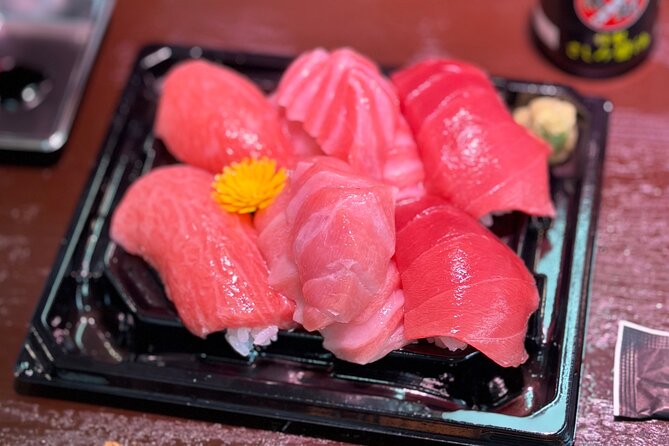
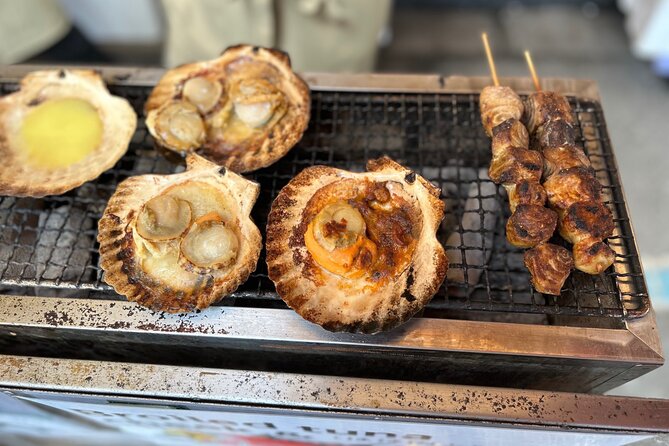
The exact eating route depends on the group. You might choose fresh seafood, sushi, fruit, Japanese omelets, fried fish cakes, eel, sea urchin, or wagyu beef. The tour does not provide a set menu, so you are free to spend very little or turn the walk into a serious tasting session.
That flexibility is one of the best features. You can skip raw seafood, choose a small portion, or save room for something later. It also works well for a mixed group, since one person can order sushi while another chooses a cooked snack or fruit.
The guides appear to have different personalities and strengths. Rie is described as energetic and attentive, with strong recommendations for food and prices. Haydn is praised for knowing the market and helping families move through it. Minori is noted for explaining Japanese culture while finding good food stops. Jim brings a distinct perspective on Japanese culture, while Sayaka is described as funny and kind. Shino, who works as a chef, was praised for taking time with the food choices while keeping the walk moving.
Those details matter because a market guide needs more than a memorized speech. You want someone who can answer a question, read the pace of the group, and help you choose between several similar-looking stalls. The best part of the experience is the human filter between you and a confusing row of food counters.
There is a practical limit, however. The market is not a seated restaurant, and the tour is built around walking, standing, and eating in small portions. One participant described it as not especially strenuous, but you should still wear comfortable shoes and expect to be on your feet.
Exploring Tsukiji Jogai Market
The final 30 minutes take place in Tsukiji Jogai Market, the outer market area packed with shops and food stalls. This is where the tour’s food focus becomes clearest.
You walk among sellers of seafood, Japanese ingredients, prepared food, and street snacks. The guide helps you understand what you are seeing instead of leaving you to decode every unfamiliar sign. That is especially useful if you have never bought sushi ingredients or Japanese market food before.
The market works best as a tasting walk rather than a conventional meal. You may stop for a bite, continue a short distance, then decide on another item. Because you pay separately, you can set your own budget. A small budget still lets you sample one or two things, while a larger food allowance gives you room to try several specialties.
The price advice is important. Food stalls take cash, and you should not assume that your tour fee covers tasting portions. Bring Japanese yen before meeting the group. Around ¥10,000 gives you a comfortable cushion for food, though you may spend less if you are selective.
Your guide can also help with value. Haydn was specifically praised for identifying what was worth the price, while Rie was credited with pointing out tourist-priced products and finding similar items for less. That kind of advice can save more than a few yen, especially when attractive displays make everything look essential.
More Street Food Market Tours in Japan
- Tsukiji Fish Market Guided Tour and Sushi Making with Pro Chef
★ 5.0 · 775 reviews - Tokyo: Tsukiji Fish Market Food and Culture Walking Tour
★ 4.7 · 757 reviews - Tsukiji Fish Market: Street Food & Culture Walking Tour
★ 5.0 · 669 reviews - Tsukiji Fish Market Small-Group Food Walking Tour
★ 5.0 · 621 reviews
How much food should you expect?
You should not book this as a full breakfast or lunch included with admission. The tour fee covers the guide, the cultural explanations, and access to the listed stops. Every food or drink purchase is separate.
The amount you eat depends on your decisions and the group’s pace. The experience can include fresh seafood, fruit, omelets, fried fish cakes, sushi, eel, sea urchin, and wagyu, but no fixed combination is promised. The advantage is freedom. The disadvantage is that you cannot calculate the final cost from the $30 tour price alone.
I would plan the food budget before you arrive. If you want only a few bites, bring less. If you hope to try several items and buy market products, carry more yen. The market’s appeal comes partly from this spontaneous choice, but spontaneous does not mean free.
This setup also helps with dietary preferences to a degree, because you decide what to purchase. The supplied details do not provide a specific allergy, vegetarian, or seafood-free menu, so you should not assume the guide can provide one. Ask the operator before booking if you need a special diet.
The value of a small group
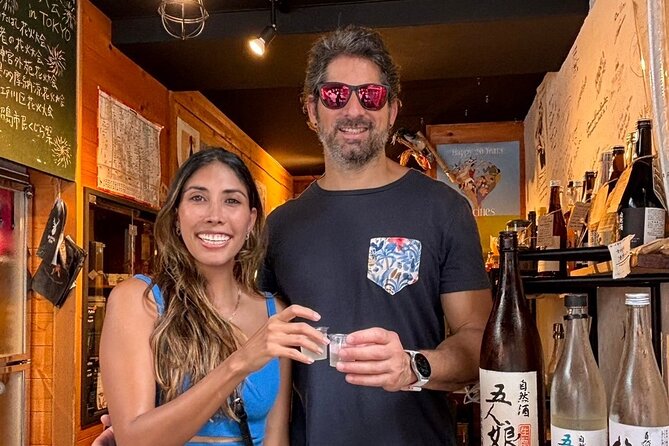
The maximum group size is 10 people. That is small enough for a guide to keep the party together in narrow market areas and to answer questions without turning the walk into a lecture delivered from a distance.
A small group also helps with food decisions. You can ask what an ingredient is, pause to consider a purchase, or request a little more time at a stall. Several guide names appear in the experience, so the quality may depend on which person leads your departure. The common thread is local English-language guidance and practical help in the market.
The flexible pace is another advantage. The group can adjust what it sees and tries, rather than following a strict tasting list. If everyone is excited about seafood, you can spend more time there. If the group wants more cultural background, the guide can give that attention.
The drawback is that flexibility works best when the group agrees. A family with children, a couple focused on sushi, and a solo visitor interested in ingredients may want different things. The two-hour limit also means the guide has to keep the walk moving.
Who will enjoy this tour most?
I would recommend it to first-time visitors to Tsukiji, people who feel uneasy ordering unfamiliar foods, and anyone who wants a quick introduction before exploring the market alone.
It is also a good choice for families. One guide was praised for keeping both adults and children engaged, and the small group makes it easier to stay together. The food choices can be adjusted, so nobody has to order something simply because it is on a fixed menu.
Food-focused visitors should also find value here, especially if you want to compare ingredients or try several small portions. The guides can explain traditional sushi ingredients and suggest foods beyond the obvious raw fish.
You may not need it if you are already comfortable navigating Japanese markets, reading food signs, and judging prices. Independent visitors can spend the full two hours exploring on their own and keep the $30 fee for food. The temple stop may also feel unnecessary if your only goal is to eat.
The tour is near public transportation, and most people can take part. Service animals are allowed. The information does not promise a fully step-free route, so anyone with mobility concerns should confirm the walking conditions before booking.
Timing, comfort, and useful preparation
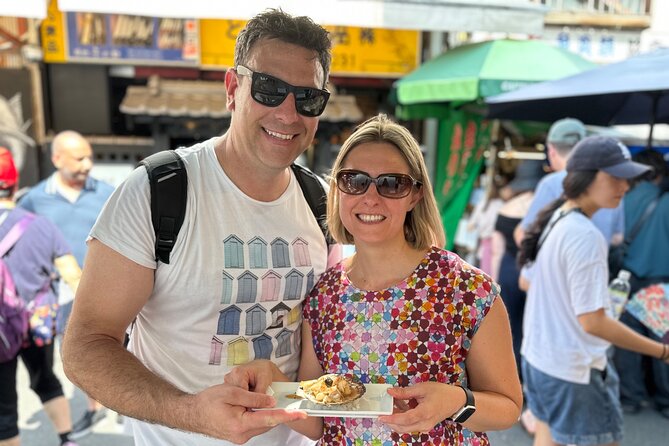
The experience lasts about two hours and ends back at the Starbucks meeting point. Since the walk combines a temple visit, market streets, and food stops, plan for standing and walking rather than a seated tour.
Meet at the Starbucks near Tsukiji Station and arrive ready to move. Bring cash in Japanese yen, comfortable shoes, and enough room in your schedule for a flexible pace. A mobile ticket is provided, and confirmation arrives when you book.
The tour can be cancelled for a full refund up to 24 hours before the start time. Changes or cancellations inside that 24-hour window are not accepted, based on local Tokyo time.
Should you book the Tsukiji food walk?
Book it if you want help making sense of Tsukiji and prefer to taste selectively instead of paying for a fixed meal. The best reasons are the small group, the local English-speaking guide, and the practical help with choosing food and avoiding poor-value purchases.
Skip it if you want a longer market visit, a guaranteed menu, or a tour devoted only to the fish trade. The temple uses part of the schedule, the food costs extra, and one unhappy experience found the market information too light. Results may also depend on your guide and how well the group’s interests match.
For most first-time visitors, I think the $30 fee is fair. Come with yen, an appetite, and a willingness to choose your own bites. You will get the most from it if you treat the tour as a friendly orientation to Tsukiji, not as a prepaid food tour.
FAQ
How long does the Tsukiji food and walking tour last?
The tour lasts approximately two hours.
What is the tour price?
The listed price is $30 per person.
Are food and drinks included?
No. Food and drinks are not included, so you choose and pay for your own dishes.
How much cash should I bring?
Bring Japanese yen for the food stalls. Around ¥10,000 is a sensible amount if you plan to sample several foods, though your spending depends on what you choose.
Where does the tour begin?
It begins at Starbucks Coffee near Tsukiji Station, at Japan, 104-0045 Tokyo, Chuo City, Tsukiji, 2-chome 12-8, Daiko Building 1F.
Where does the tour end?
The activity ends back at the meeting point.
Which places are included in the walking route?
The route includes Tsukiji Hongwanji Temple, Tsukiji Fish Market, and Tsukiji Jogai Market.
Is the tour conducted in English?
Yes. It includes a local Japanese English-speaking guide.
How large is the group?
The tour has a maximum of 10 participants.
Can I cancel for a full refund?
Yes, if you cancel at least 24 hours before the experience start time. Cancellations or changes made less than 24 hours before the start time are not accepted for a refund.
More Street Food Walking Tours in Japan
- Tokyo Tsukiji Fish Market Food Tour: 15 Stops & Walk Local Street
★ 5.0 · 139 reviews - Tokyo: Guided Walking Tour of Tsukiji Market with Breakfast
★ 4.4 · 134 reviews - Tokyo: Tsukiji Market Walking Tour & Sushi Cooking Class
★ 4.6 · 122 reviews - Tokyo’s Kitchen: Tsukiji Market Food & Culture Walk
★ 4.7 · 74 reviews
More Street Food Market Tours in Tokyo
- Tokyo: Tsukiji Fish Market Sushi Making Class with Pro Chef
★ 4.9 · 506 reviews - Tokyo Food Tour Taste Fresh Delights at Tsukiji Market
★ 5.0 · 429 reviews - Tokyo Tsukiji Fish Market Tour and Sushi Making Lesson
★ 5.0 · 390 reviews - Tsukiji Fish Market: Street Food & Culture Walking Tour
★ 4.8 · 259 reviews
Just added around Tokyo
- Tokyo: Tsukiji walk & sushi private tour with Uni Students★ 5.0 · 17 reviews
- Tokyo: Private Tsukiji Street Food & Sake with Local Guide★ 5.0 · 3 reviews
- Tokyo: Tsukiji Market Guided Tour & Sushi-Making Experience★ 4.4 · 11 reviews
- Tokyo: Tsukiji Market and Hama-rikyu Gardens Guided Tour★ 4.8 · 73 reviews
- Tokyo Tsukiji Food & Culture Private Tour Licensed Guide★ 4.9 · 28 reviews
- Tokyo: Tsukiji Fish Market Culture Tour with Sashimi Tasting★ 4.6 · 54 reviews
- Tokyo: Tsukiji, Ginza, and Asakusa Japanese Culture Tour★ 5.0 · 2 reviews
- Tokyo: Tsukiji Fish Market Foodie and Educational Tour★ 5.0 · 4 reviews
Tokyo Street Food Tours, compared.
Tokyo Tsukiji Fish Market Food and Culture Walking Tour
Read our review →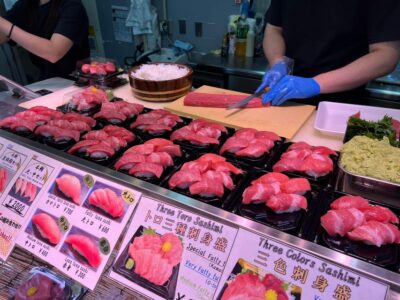
Tokyo: Tsukiji Fish Market Guided Walking Tour
Read our review →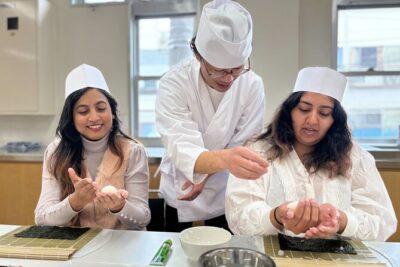
Tokyo Sushi Making Class in Tsukiji with Professional Chef
Read our review →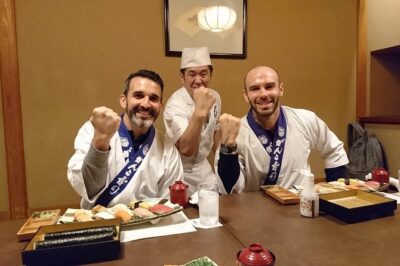
Tsukiji Fish Market Guided Tour and Sushi Making with Pro Chef
Read our review →Tokyo: Tsukiji Fish Market Food and Culture Walking Tour
Read our review →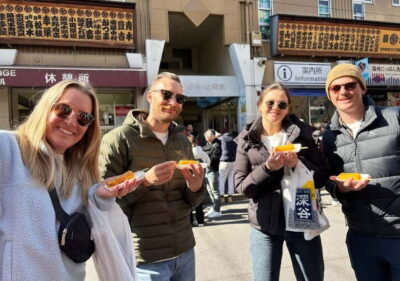
Tsukiji Fish Market: Street Food & Culture Walking Tour
Read our review →
Tsukiji Fish Market Small-Group Food Walking Tour
Read our review →