
REVIEW · KYOTO STREET FOOD TOURS
Kyoto: Gion Local Food Tour (Taste 15 dishes)
Kyoto’s Gion district is at its best in the evening, when lanterns glow along narrow lanes and dinner becomes a small cultural lesson. This tour takes you to three local restaurants for 15 Japanese dishes, including yakitori, tonkatsu, sushi, and tempura, with an English-speaking guide to explain what you are eating.
I like the way the tour spreads the meal across several stops instead of parking you at one table all night. I also like the guide-led introduction to food customs and Gion’s traditional streets, which gives the evening more shape than a simple restaurant reservation.
The main consideration is that the exact dishes and restaurants can vary, and you should expect a food-focused walking evening rather than a formal cooking class. At $66 per person, the value depends on how much you appreciate guided explanations, several tastings, and the convenience of having someone handle the restaurant choices.
Key Points

- Fifteen dishes at three restaurants: Sample several styles of Japanese food rather than ordering one large meal in a single place.
- Classic Kyoto evening foods: The route includes yakitori, tonkatsu, sushi, and tempura, with two drinks included.
- Gion after dark: Walk through Kyoto’s famous geisha district while learning about local landmarks and dining traditions.
- English-speaking guidance: Guides such as Jay and Yo explain etiquette, culture, and the area’s past in an approachable way.
- About three hours: The meal is paced as a walking experience, so allow an evening rather than squeezing it between tight plans.
- Good for first-time visitors: You get an organized introduction to Japanese food and Gion without having to decode every menu yourself.
What the Gion Food Walk Is Really Like
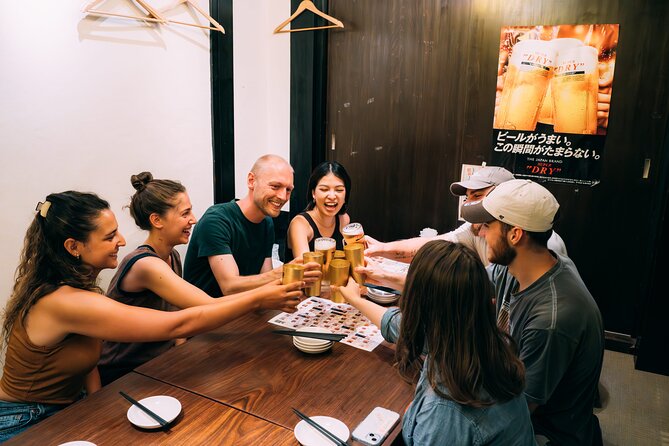
This is not just a list of restaurant stops. It is a guided evening in one of Kyoto’s most recognizable neighborhoods, with food used as the thread connecting the streets, customs, and local culture.
You meet in front of DOUTOR, then begin in Gion. The activity finishes back at the same meeting point, which makes it easier to plan your evening transport and avoids leaving you in an unfamiliar part of Kyoto after dinner.
The tour is conducted in English. The supplied details do not give a fixed group size, so you should not assume this will be a private outing or a tiny tasting party. What you can count on is a local guide accompanying you between three restaurants and helping you navigate the meal.
One guide named in the experience is Jay, while another is Yo. Yo is described as particularly good at explaining local culture and the area’s history, and one outing also included a shrine visit. Your guide may differ, but these examples give you a sense of the intended style: conversational, practical, and focused on helping you understand the place rather than simply handing you plates.
A few more street food tours around Kyoto worth a look
- Kyoto: Gion Local Food Tour (Taste 15 Dishes)
★ 5.0 · 171 reviews - Kyoto: Local Food Tasting Tour at the Nishiki Market
★ 4.7 · 135 reviews - Kyoto: Nishiki Market Tour with a Local Foodie & Tastings
★ 4.5 · 67 reviews
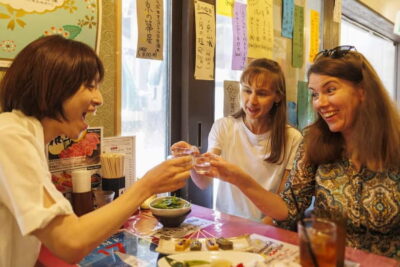
First Stop: Yakitori in a Local Izakaya
The first restaurant is a casual izakaya serving freshly grilled yakitori. These skewers are a natural opening for the evening because they are familiar enough for first-time visitors, but they also introduce you to the social side of Japanese dining.
An izakaya is a place for small dishes and drinks, not a quiet, formal restaurant. That setting suits a food tour. You can try several items without committing to one large order, and the guide can explain how the dishes fit into everyday Japanese eating.
Yakitori is often ordered by the skewer, which makes portion control useful when you still have two restaurants ahead. The details do not specify the exact cuts or seasonings served, so you should treat this as a tasting rather than expecting a particular menu item.
This stop is also where the included drinks begin to matter. Two drinks are included in the tour, though the available choices are not specified. If you do not drink alcohol, confirm your preferred alternative with the guide or provider rather than assuming what will be offered.
The strength of this restaurant stop is its relaxed mood. The drawback is that casual Japanese dining can involve unfamiliar ordering customs, ingredients, or shared pacing. That is precisely where the guide earns their place. Instead of guessing what to do, you can ask and keep the meal moving.
Second Stop: Crisp Tonkatsu and a Change of Pace
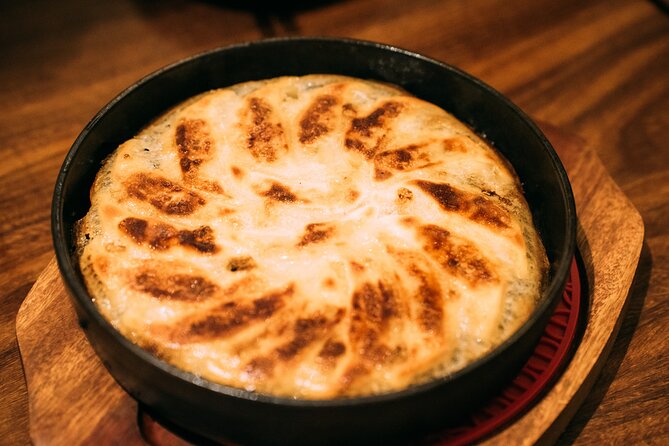
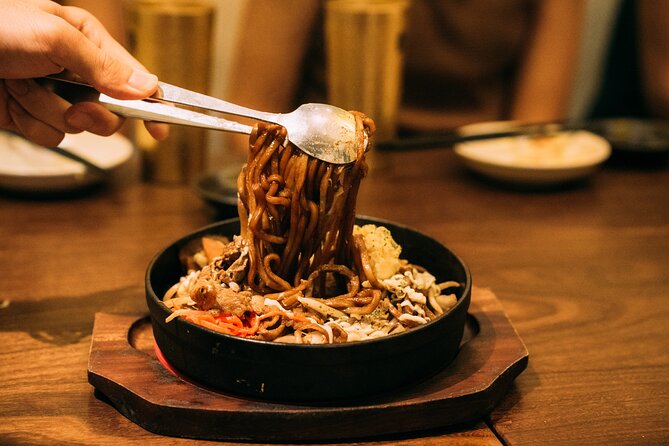
Next comes tonkatsu, a deep-fried pork cutlet with a crisp outside and juicy center. After the skewers of the first stop, this provides a more substantial, hearty course and shows a different side of Japanese food.
Tonkatsu is simple in concept, but preparation matters. The appeal is the contrast between the crunchy coating and tender meat. The tour description presents this restaurant as specializing in the dish, so this is likely intended as one of the evening’s anchor tastings rather than a quick sample squeezed in for variety.
I like this middle stop because it keeps the meal from becoming a parade of tiny bites. Fifteen dishes can sound impressive, but a long sequence of small samples may leave you wanting something solid. Tonkatsu gives the evening some weight.
At the same time, fried food can be filling. If you are especially interested in the sushi and tempura later on, pace yourself. You do not need to treat every serving as a full dinner portion, and the guide can help you understand what is coming next.
The restaurant selection also gives you a useful comparison. An izakaya offers a casual, shareable style, while a tonkatsu shop focuses more closely on one specialty. That contrast is part of the value: you are not simply paying for a fixed meal, but for an introduction to different ways Japanese restaurants organize food.
Final Stop: Sushi, Tempura, and Seasonal Ingredients
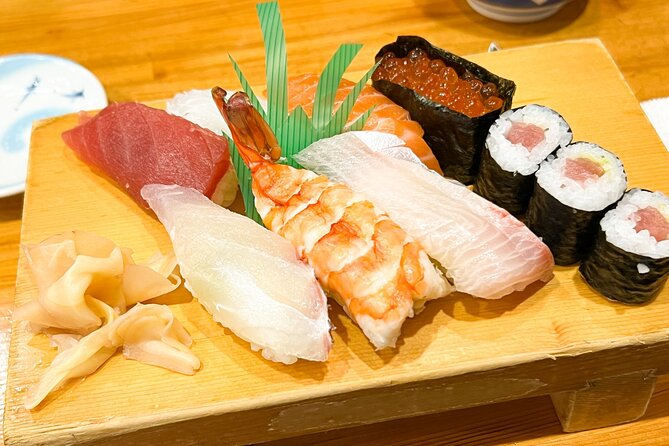
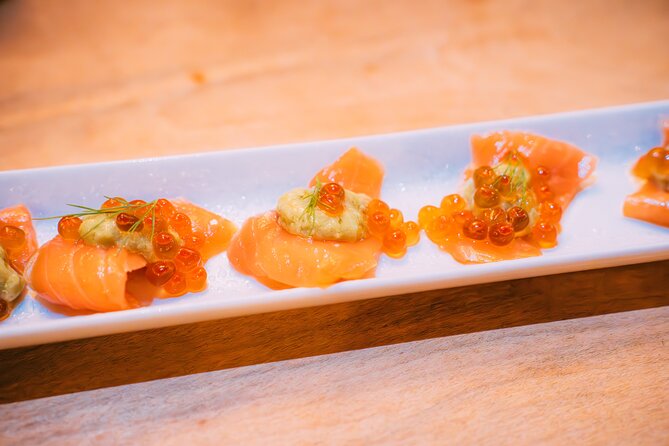
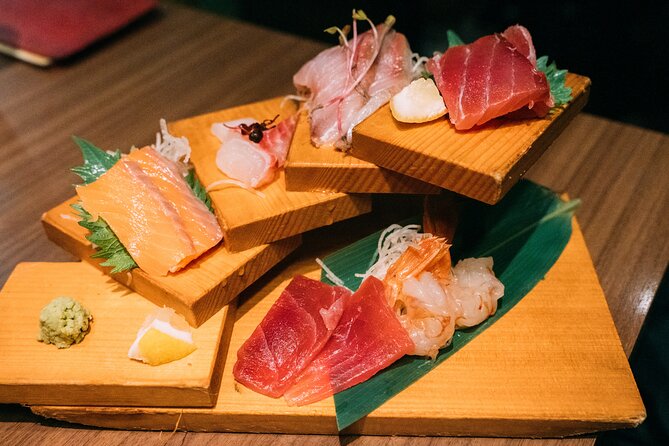
The final restaurant serves a mix of sushi and tempura. These are two of the foods most visitors hope to try in Japan, but they represent different approaches to cooking.
Sushi puts attention on the ingredients and preparation. Tempura depends on a light coating and careful frying. Together, they finish the route with familiar Japanese staples while also giving the guide a chance to discuss seasonal ingredients and Kyoto’s food culture.
The description says each bite tells a story of seasonal produce and local cooking traditions. That does not mean you should expect a lecture with every dish. It means the meal is designed to connect what is on your plate with the time of year, local habits, and the way Japanese food is presented.
This last stop may be the most appealing to anyone who wants a broad first taste of Japan. You get raw and cooked food, crisp and delicate textures, and a final restaurant setting that differs from the earlier stops.
The possible weakness is that diners with strong food restrictions may need to ask questions before booking. The tour promises 15 local dishes, but it does not provide a full ingredient list or state that substitutions are available. If you have allergies or avoid pork, fish, or particular ingredients, contact the provider before paying.
Same city, a different plate:
- Nishiki Market Brunch Walking Tour (7 Tastings + Brunch)
★ 5.0 · 1,355 reviews - Kimono Tea Ceremony at Kyoto Maikoya, NISHIKI
★ 5.0 · 911 reviews - Kyoto Nishiki Market Food and Culture Walking Tour
★ 5.0 · 412 reviews - Kyoto: Nishiki Market Tea Ceremony with Koto Performance
★ 4.8 · 294 reviews
Gion Between the Plates
The walking sections are not filler. Gion is one of Kyoto’s most famous geisha districts, known for traditional streets, lantern-lit buildings, and an atmosphere shaped by old entertainment customs alongside modern restaurants.
You will not be sightseeing through every major Kyoto landmark on this experience. The focus remains food and Gion, with local landmarks and cultural details explained along the way. That makes the tour a good fit for your first evening in the area, especially if you want orientation without signing up for a broad city tour.
One outing included a shrine visit, but this should not be treated as a guaranteed part of every route unless the provider confirms it. The same applies to specific restaurants. The food categories are clear, while the exact route can change.
Your guide’s commentary is an important part of the experience. Yo is described as open to conversation and good at making local culture relatable. Jay is praised for entertaining stories and for creating an easy social mood. Those details suggest that the evening is meant to feel informal, not like a memorized history talk.
Remember that Gion is a working neighborhood and a cultural site, not a theme park. Walk respectfully, avoid photographing people without permission, and follow your guide’s advice around shrines and traditional streets. The tour gives you context, but good behavior is still your responsibility.
What the $66 Price Includes
At $66 per person, the price covers 15 local dishes, two drinks, and a local guide. That is a fair structure for an evening that combines food, walking, and cultural interpretation, particularly if you would otherwise spend time choosing restaurants and working out how to order.
The value is strongest for first-time visitors. You get a spread of major Japanese dishes, three different restaurant settings, and someone who can explain etiquette as you go. The tour also removes much of the uncertainty that can make a first meal in Japan feel harder than it should.
It is less compelling if you already know Gion’s restaurants well or prefer to choose every dish yourself. You may be able to spend less by eating at one casual restaurant, but you would not get the same number of stops or the guide’s local context.
Gratuity is not included, so plan for that extra cost if tipping your guide is customary for you. The tour allows you to reserve and pay later, and cancellation is available up to 24 hours before the activity for a full refund. Those terms help if your Kyoto plans are still shifting.
Who Will Enjoy This Evening Most
This tour suits you if you want a gentle introduction to Japanese food without spending hours studying menus before you arrive. It is also useful if you are curious about Gion but would rather explore with someone who can explain what you are seeing.
Food lovers will appreciate the range. Fifteen dishes across yakitori, tonkatsu, sushi, and tempura offer more variety than a standard dinner, while the three restaurants let you compare different dining styles.
First-time visitors are another strong match. The guide can help with etiquette, local customs, and restaurant routines, so you can focus on tasting rather than worrying about every small detail.
The tour may be less suitable for someone seeking a quiet, slow, high-end meal. Moving between restaurants means the evening has a set rhythm, and the food is presented as a series of tastings. It may also be a poor fit if you need a guaranteed allergen-free menu or a specific dietary plan, since those details are not provided.
Younger visitors looking for an approachable guide may particularly enjoy the format. Yo is described as relatable and easy to talk with, while Jay’s style includes stories and friendly conversation. That social element can make the three-hour outing feel shorter than expected.
Practical Tips Before You Go
Arrive at the DOUTOR meeting point with enough time to find it calmly. The provided meeting information says the group meets in front of DOUTOR, but it does not specify a branch address in the details here, so check your booking confirmation carefully.
Wear shoes suitable for walking and choose clothing that lets you sit comfortably in several restaurant settings. The tour takes place in Gion and includes movement between stops, so it is not simply a seated dinner.
Do not eat a large meal beforehand. Fifteen dishes does not mean 15 full restaurant portions, but the tour is clearly designed to provide a substantial evening of tasting. A light lunch or early snack will leave you room to appreciate the later sushi and tempura.
Bring questions. Ask the guide about ingredients, ordering customs, shrine etiquette, and the meaning of dishes you do not recognize. The strongest part of this experience is not just the food on the plate, but the explanation that helps you understand it.
Since the exact menu is not listed, avoid promising yourself a particular sushi variety or yakitori cut. Think in categories and flavors rather than a fixed checklist. That mindset makes the evening more enjoyable and leaves room for seasonal changes.
Should You Book the Gion Food Tour?

I would book this tour if you want a well-organized first taste of Kyoto’s food culture and like the idea of visiting three restaurants in one evening. The combination of 15 dishes, two drinks, Gion streets, and an English-speaking guide gives the $66 price solid value for many visitors.
I would pause before booking if you have strict dietary needs, dislike moving between restaurants, or prefer to control every order yourself. Ask about ingredients and substitutions before reserving.
For everyone else, this is a practical way to turn an evening in Gion into more than a meal. You get classic Japanese foods, local guidance, and a chance to understand the neighborhood while you eat. Guides such as Jay and Yo add the human touch that can make a scheduled food tour feel like an evening out with a well-informed local friend.
FAQ
How much does the Kyoto Gion food tour cost?
The tour costs $66 per person.
How many dishes are included?
You receive 15 local Japanese dishes during the experience.
How many restaurants does the tour visit?
The tour visits three local restaurants in Gion.
Which foods are included?
The experience includes yakitori, tonkatsu, sushi, and tempura, along with other local dishes.
Are drinks included?
Yes. Two drinks are included.
Is a guide included?
Yes. A local English-speaking guide accompanies the group.
Where does the tour start?
The meeting point is in front of DOUTOR.
Where does the activity end?
The activity ends back at the meeting point.
How long does the food tour last?
The experience takes about three hours.
Can I cancel for a full refund?
Yes. You can cancel up to 24 hours in advance for a full refund.
Just added around Kyoto
- Taste of Nishiki Market Walking Food Tour with Local guide★ 5.0 · 17 reviews
- Nishiki Market Food Tour with Cooking Class★ 4.9 · 42 reviews
- Kyoto: Nishiki Market Tour with a Local Foodie & Tastings★ 4.5 · 67 reviews
- Golden Pavilion, Nijo Castle, & Nishiki Market Half day tour★ 5.0 · 29 reviews
- Kyoto:Seasonal Kaiseki Reservation at Hanasaki Nishiki★ 5.0 · 3 reviews
- Kyoto: Hands-on Takoyaki and Okonomiyaki Cooking (1 Hour)★ 4.7 · 25 reviews
- Kyoto: Nishiki Market Food Tour with Local Guide★ 4.6 · 5 reviews
- Kyoto: Nishiki Market and Depachika Food Tour with a Local★ 4.7 · 76 reviews
Kyoto Street Food Tours, compared.
Nishiki Market Brunch Walking Tour (7 Tastings + Brunch)
Read our review →
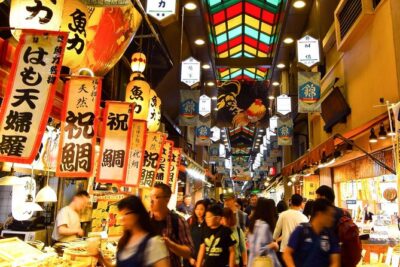
Kyoto Nishiki Market Food and Culture Walking Tour
Read our review →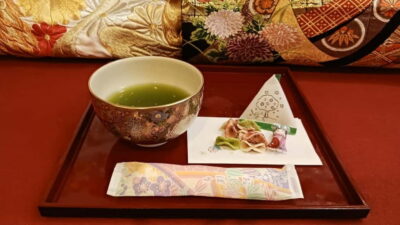
Kyoto: Nishiki Market Tea Ceremony with Koto Performance
Read our review →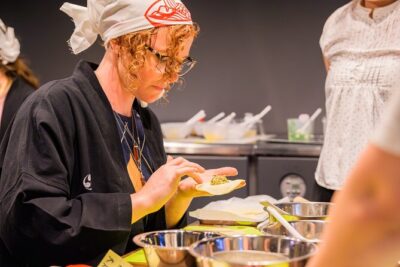
Gyoza Cooking Class in Kyoto: Traditional Japanese Dumplings
Read our review →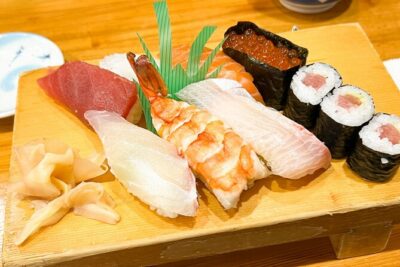
Kyoto: Local Food Tasting Tour at the Nishiki Market
Read our review →
Kyoto: Nishiki Market and Depachika Food Tour with a Local
Read our review →Browse the lists this tour appears in