
REVIEW · KYOTO STREET FOOD TOURS
Gyoza Cooking Class in Kyoto: Traditional Japanese Dumplings
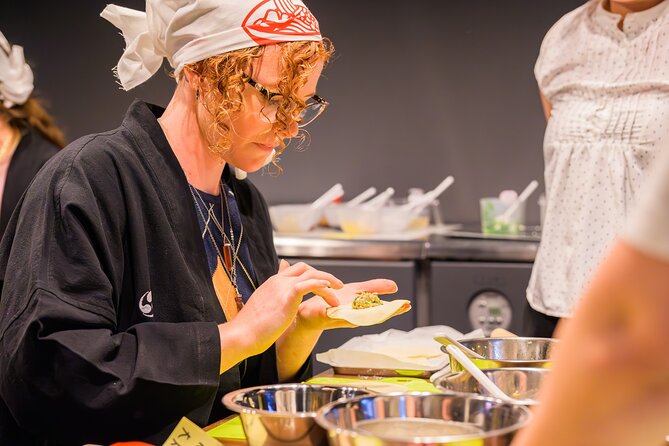
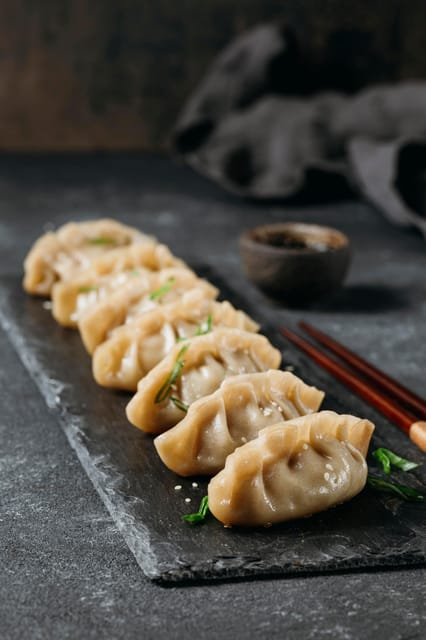
The best part of this Kyoto cooking class is that you do not just watch someone make gyoza. You prepare the filling, shape the dumplings, cook them, and eat what comes straight from your pan. Hands-on cooking makes this a good choice for first-timers, and the class also covers dough, according to the experience details.
I like two things in particular: the choice of meat or vegetable fillings, and the practical recipe you can take home. The friendly teaching style also matters. Hama has been praised for being patient and kind, while another class featured an instructor and assistant who explained each step clearly. The main drawback is the 90-minute time limit, which gives you a useful introduction but not a long, leisurely cooking session.
Key points to know before booking
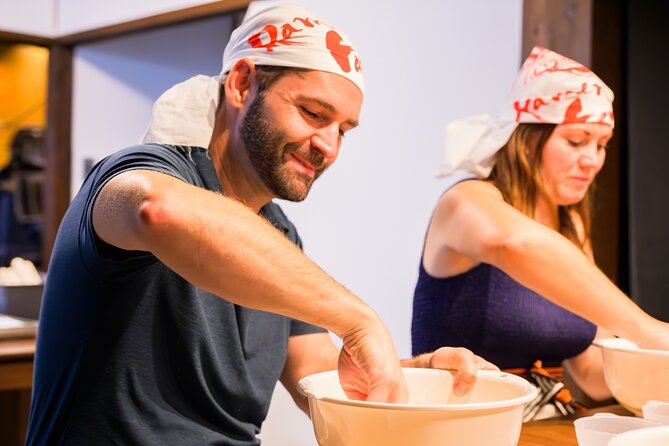
- Make the gyoza yourself: You prepare fillings, wrap the dumplings, cook them, and eat the finished dish.
- Choose your filling: Meat and vegetable options are available, and a vegetarian request can be made in advance.
- Learn from Hama and other English-speaking staff: Instruction is offered in English and Japanese, with a patient, beginner-friendly approach.
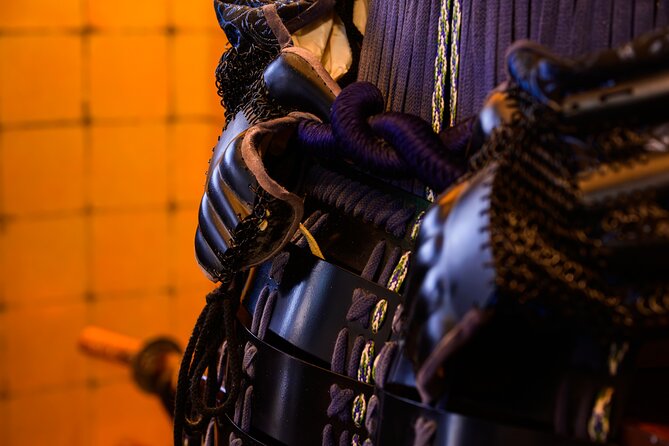
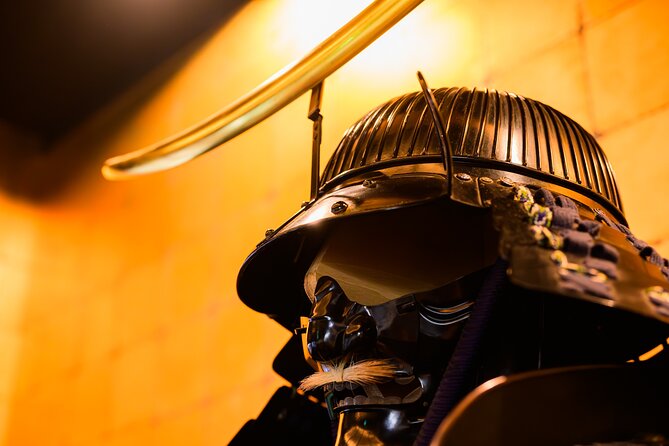
- Add a samurai photo: The experience includes the chance to take a photo with a samurai.
- Take the lesson home: You receive the full gyoza recipe for cooking after your trip.
- Easy central meeting point: The location is a five-minute walk, about 362 meters, from Exit 2 of Karasuma Oike Station.
Why making gyoza beats simply eating it
Kyoto has no shortage of restaurants, but a cooking class gives you a different way into Japanese food. Gyoza are familiar enough to be approachable, yet the small details matter: how you season the filling, how much mixture you place in each wrapper, and how tightly you seal the edge.
Here, you work through those steps with an instructor rather than trying to guess from a printed recipe. That makes the class useful for someone who has never cooked Japanese food, while still giving a more experienced home cook a few techniques to practice.
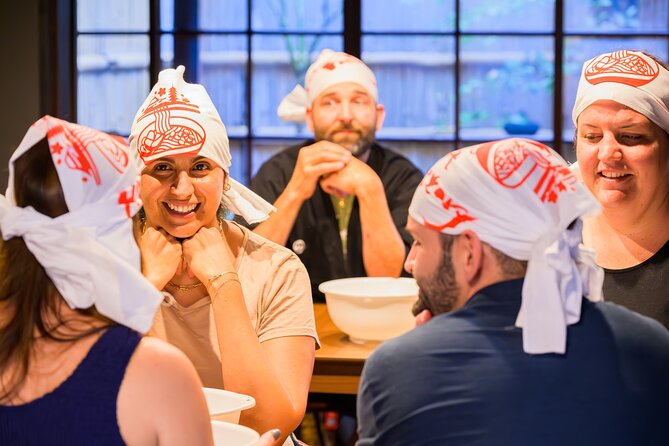
I also like the social rhythm of the activity. You are preparing food with your hands, listening to stories about the dish, and then sitting down to eat the result. It feels more personal than ordering a plate of dumplings, and the recipe gives the experience a life beyond your time in Kyoto.
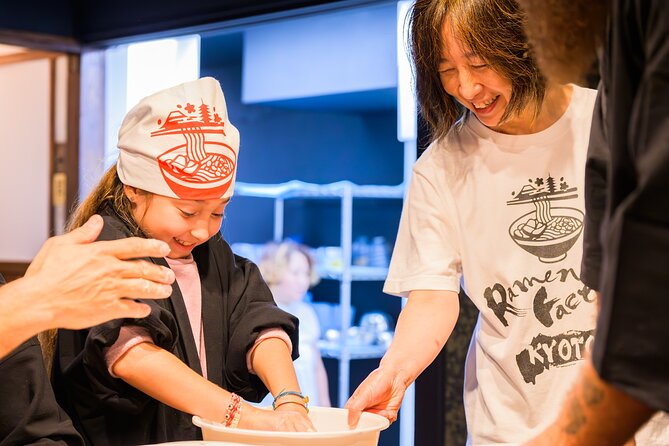
The class is also suitable for families. One family group included two children aged 11, and the children enjoyed making and eating the dumplings. The activity can work well as an early evening meal after arriving by train, especially if you want something more active than another restaurant booking.
More Dumpling and Dim Sum Tours in Japan
- Gyoza Cooking Class in Kyoto: Traditional Japanese Dumplings
★ 5.0 · 210 reviews - Ramen and Gyoza Cooking Class in Osaka
★ 5.0 · 202 reviews - Cooking Ramen&Gyoza/KatsuCurry/Bento/Okonomiyaki+Store Tour@Osaka
★ 5.0 · 138 reviews
Finding the class near Karasuma Oike Station
The meeting point is about a five-minute walk from Exit 2 of Karasuma Oike Station, on both the Karasuma and Tozai subway lines. The stated distance is 362 meters, so this is one of the easier cooking classes to reach without a taxi.
That central location helps you fit the class into a Kyoto sightseeing day. You can plan it around the subway rather than setting aside extra time for a distant suburb. Still, allow a little margin for finding the exact entrance. A five-minute walk is short, but station exits and Kyoto side streets can take longer when you are carrying luggage or navigating with a group.
Transportation is not included, so you pay for your own subway ride. Since the activity is close to a major station, that is a small practical cost rather than a complicated transfer.
The class is not suitable for wheelchair users. If accessibility is important for your party, confirm that this experience meets your needs before booking.
The first lesson: ingredients and filling choices
The class begins with the building blocks of the dish. You learn how to select and prepare ingredients for the filling, then customize the flavor to your preference. The available choices include meat and vegetable fillings.
That choice is useful, but it does not mean every dietary need is automatically covered. You should tell the operator in advance about allergies or dietary restrictions. One participant requested a vegetable option and received it, but advance notice remains the sensible approach.
The filling stage is where you begin to understand why homemade gyoza can taste different from a quick restaurant order. You are not simply following a fixed recipe without context. The instructor explains the steps and the background of the dish, helping you see how texture and seasoning work together.
The class details also indicate that you may make the dough, not only fill ready-made wrappers. That adds another worthwhile skill, though it also means the 90-minute schedule is fairly focused. If you want a slow, highly detailed culinary course, this may feel brief. If you want a practical introduction that gets you eating within an hour and a half, the pace should suit you.
Folding techniques for beginners
Folding is often the part people worry about most. A gyoza may look simple on the plate, but creating a neat seal takes practice. The instructor guides you through the authentic wrapping method, so you are not left trying to copy a finished dumpling at speed.
Your first few dumplings may not look identical. That is part of the fun, and it is also why in-person instruction helps. You get immediate guidance on how much filling to use and how to close the wrapper without splitting it.
The teaching style appears to be a strong part of the experience. Hama is described as a friendly and patient teacher, and the class also has an English-speaking instructor. Japanese instruction is available as well. If you are concerned about learning a cooking technique in another country, the clear, step-by-step approach should make the class less intimidating.
I would not book this expecting professional-chef training. The goal is to learn a traditional home-cooking skill in a relaxed setting. You should leave knowing the basic method and feeling comfortable enough to repeat it, even if your first batch has a few uneven folds.
More Dumpling and Dim Sum Tours in Kyoto:
- Hong Kong: Street Food Tour with Locals – Dim Sum and Wonton
★ 4.8 · 673 reviews - Warsaw’s No 1 cooking class-Polish dumplings with liqueur tasting
★ 5.0 · 576 reviews - Hong Kong Day Tour: Priority Peak Tram, City Walk & Dim Sum
★ 4.5 · 266 reviews - Xi’an: Great Tang Dynasty Night Show & Dumpling Meal Option
★ 4.4 · 177 reviews
Cooking the dumplings and eating your results
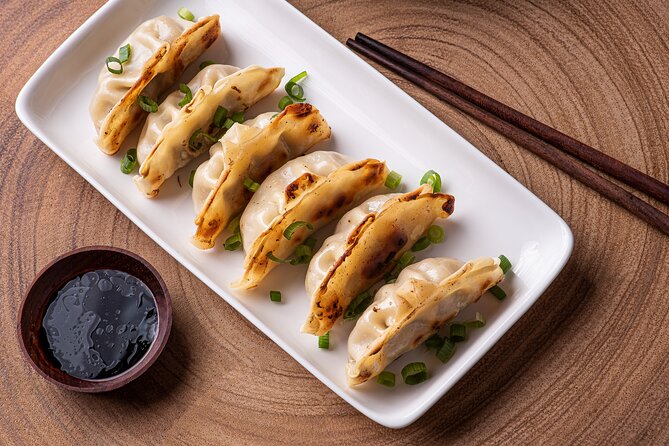
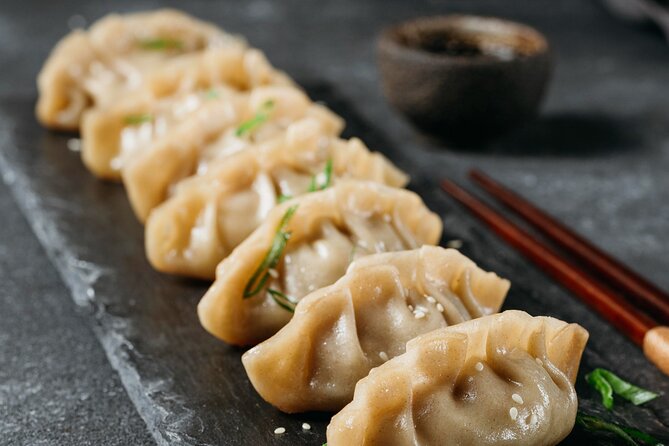
After the dumplings are shaped, you cook them and eat them fresh from the pan. This is the payoff of the class, but it is also another lesson. You see how the dumplings reach the right balance between a browned, crisp underside and a cooked, juicy center.
The finished texture matters. A participant described the dumplings as crisp outside and juicy inside, which is exactly the contrast you hope to achieve. Your results will depend on your preparation and cooking, but the instructor is there to guide you through the process.
The food you make is included, along with one free drink. That makes the class more than a demonstration followed by a small sample. You are preparing the main dish yourself and then eating it as part of the activity.
The portion size is not specified, so I would not book this as a guaranteed substitute for a large dinner. Think of it as a hands-on meal and lesson combined. If you have a big appetite, you may want to keep later plans flexible rather than assuming this will be a full restaurant-sized feast.
The samurai photo and the cultural side
A samurai photo adds a playful cultural element to the cooking session. It is not the main reason to book, but it gives you a memorable picture and breaks up the food-focused portion of the activity.
The class also includes stories about gyoza and its place in Japanese food culture. That context gives the cooking more meaning. You are not only learning a sequence of kitchen motions. You are learning why this everyday dish is worth making carefully and how it fits into Japanese home cooking.
I appreciate that the cultural portion is tied to something you can repeat. A photo is a pleasant souvenir, but the recipe is more useful. You can cook the dish again at home, share it with family, and remember the Kyoto class through a meal rather than only through a snapshot.
Is $127 a fair price?
At $127 per person, this is not a cheap way to eat gyoza. You can order dumplings in Kyoto for far less. The price needs to be judged as a combination of instruction, ingredients, cooking tools, a drink, the meal you prepare, and the recipe you take home.
For someone who wants only dinner, the cost is hard to justify. For someone who wants a guided food activity, the value is better. You are paying for the chance to prepare the dish from the beginning, ask questions, learn folding and cooking methods, and enjoy the finished food.
The price also makes more sense if you are traveling with children or with family members who enjoy doing things together. An activity that keeps everyone involved can be worth more than another passive meal, especially on a longer Kyoto stay.
I would compare it with other cooking classes before booking if your budget is tight. The short format is convenient, but you are paying a premium for a focused experience. The strongest value comes when you care about learning a recipe you can use again, not just eating the final plate.
Who will enjoy this Kyoto cooking class?
This class suits you best if you fit one or more of these descriptions:
- You are new to Japanese cooking and want clear guidance.
- You enjoy food activities more than sightseeing from a distance.
- You are traveling with children who like making things with their hands.
- You want a vegetarian option and can provide advance notice.
- You would like an evening activity after arriving by train.
- You want a recipe and technique to use at home.
It also works for experienced home cooks who enjoy learning how another kitchen approaches a familiar dumpling. The choice of fillings gives you some room to adjust the result, though the class is still structured for beginners.
You may want to skip it if you dislike group cooking, need wheelchair access, or want a long, technical course focused on advanced cuisine. The class is short and friendly rather than formal or intensive.
Timing, language, and useful planning details
The experience lasts 90 minutes, with starting times available according to the date you choose. Check the schedule before making other reservations, especially if you plan to connect it with a train or an evening performance.
English and Japanese are offered. An English-speaking instructor leads the class, and the teaching approach is designed to explain each stage clearly. Hama has been singled out for being friendly, patient, and a good teacher, which is useful to know if you are nervous about the language barrier.
Cooking tools are provided, so you do not need to bring equipment. Your own gyoza and one free drink are included. Transportation is not included, but the subway access keeps the journey simple.
You can cancel up to 24 hours in advance for a full refund. The reserve-now, pay-later option also helps if your Kyoto schedule is still changing. Just remember to send allergy or dietary information ahead of time rather than waiting until you arrive.
Should you book the gyoza class?
I would book this experience if you want a practical Kyoto memory that involves making, eating, and learning. The strongest features are the hands-on format, the patient instruction, the choice of fillings, and the recipe you can use at home.
The $127 price is the main question. It is high for a 90-minute meal, but more reasonable for a cooking lesson with food, tools, a drink, cultural explanation, and a take-home skill. Families and first-time cooks are likely to get the most from it.
Choose another activity if your priority is low-cost dining or an advanced culinary workshop. Otherwise, this is a compact, friendly way to spend part of an afternoon or evening, with a useful result waiting on your plate.
FAQ
How long does the gyoza cooking class last?
The class lasts 90 minutes.
Where is the meeting point?
The class is about a five-minute walk, or 362 meters, from Exit 2 of Karasuma Oike Station on the Kyoto City Subway Karasuma and Tozai lines.
Is the class taught in English?
Yes. Instruction is available in English and Japanese, and an English-speaking instructor is included.
Can I request a vegetarian filling?
Yes. Meat and vegetable fillings are available, but you should inform the operator in advance about dietary restrictions or allergies.
What does the price include?
The price includes the English-speaking instructor, cooking tools, one free drink, the gyoza you make during class, and the recipe for cooking gyoza at home.
Is the class suitable for wheelchair users?
No. The experience is not suitable for wheelchair users.
More Workshops in Kyoto
- Tokyo Sushi Making Class in Tsukiji with Professional Chef
★ 5.0 · 1,177 reviews - Tokyo: Tsukiji Fish Market Sushi Making Class with Pro Chef
★ 4.9 · 506 reviews - Mexican Cooking Class with Food Market Visit in Mexico City
★ 5.0 · 506 reviews - Buenos Aires: Empanadas and Alfajores Guided Cooking Class
★ 4.8 · 486 reviews
More Cooking Classes in Kyoto
- Nishiki Market Food Tour with Cooking Class
★ 4.9 · 42 reviews - Kyoto: Hands-on Takoyaki and Okonomiyaki Cooking (1 Hour)
★ 4.7 · 25 reviews - Small Group Cooking Class & Market Food Tour in Florence
★ 5.0 · 1,574 reviews - Athens: Food Market Visit and Cooking Class with Wine
★ 4.9 · 1,087 reviews
Just added around Kyoto
- Taste of Nishiki Market Walking Food Tour with Local guide★ 5.0 · 17 reviews
- Nishiki Market Food Tour with Cooking Class★ 4.9 · 42 reviews
- Kyoto: Nishiki Market Tour with a Local Foodie & Tastings★ 4.5 · 67 reviews
- Golden Pavilion, Nijo Castle, & Nishiki Market Half day tour★ 5.0 · 29 reviews
- Kyoto:Seasonal Kaiseki Reservation at Hanasaki Nishiki★ 5.0 · 3 reviews
- Kyoto: Hands-on Takoyaki and Okonomiyaki Cooking (1 Hour)★ 4.7 · 25 reviews
- Kyoto: Nishiki Market Food Tour with Local Guide★ 4.6 · 5 reviews
- Kyoto: Nishiki Market Food Tour★ 4.9 · 21 reviews
Kyoto Street Food Tours, compared.
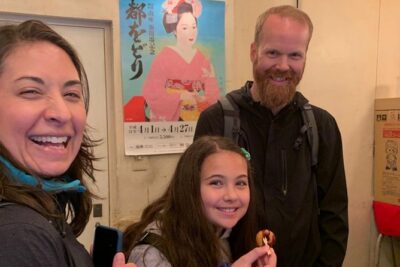
Nishiki Market Brunch Walking Tour (7 Tastings + Brunch)
Read our review →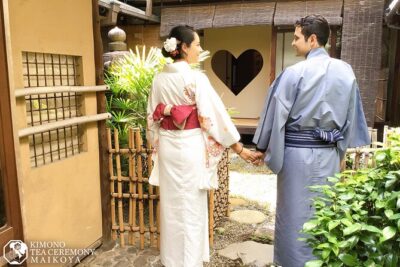
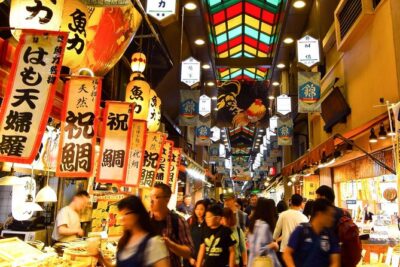
Kyoto Nishiki Market Food and Culture Walking Tour
Read our review →
Kyoto: Nishiki Market Tea Ceremony with Koto Performance
Read our review →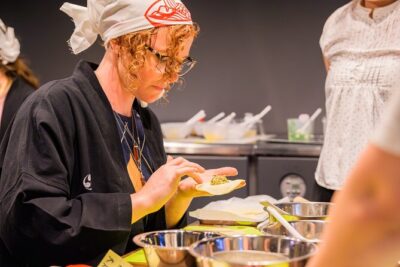
Gyoza Cooking Class in Kyoto: Traditional Japanese Dumplings
Read our review →
Kyoto: Local Food Tasting Tour at the Nishiki Market
Read our review →
Kyoto: Nishiki Market and Depachika Food Tour with a Local
Read our review →Browse the lists this tour appears in